

How to Make Veneer Drying More Sustainable
In today’s global wood processing industry, sustainability is no longer just a buzzword—it’s a critical factor for long-term success. Veneer drying, a key step in plywood manufacturing, is traditionally energy-intensive and environmentally taxing. However, by adopting smarter practices, factories can drastically reduce their carbon footprint while cutting operational costs. This blog shares practical, proven strategies to make your veneer dryer more eco-friendly, whether you’re operating in Asia, Africa, Europe, or the Americas.
1. Start with Zero-Cost Operational Tweaks
Before investing in new equipment, examine your current drying parameters. Many factories waste energy simply because they use a one-size-fits-all approach. According to industry standards like the Technical Specification for Energy Saving of Veneer Drying, you should tailor the process based on wood species, thickness, and initial moisture content. For example, thin veneers (≤1.2mm) are best dried before cutting, while thicker ones should be cut first.
Here are immediate actions you can take:
Maintain continuous production. Frequent start-stop cycles waste significant energy on reheating the dryer. Keeping the machine running steadily maximizes thermal efficiency.
Adopt sectional temperature control. Begin with a low-temperature, high-humidity preheating stage (around 40–55°C), move to a moderate constant-rate stage (55–65°C), and then slightly lower the temperature in the falling-rate stage (50–58°C). This method not only saves energy but also reduces veneer deformation to under 2%.
Install online moisture meters and variable frequency drives (VFDs). By automatically adjusting the conveyor speed according to real-time moisture readings, you avoid over-drying and ensure consistent quality.
Control exhaust air recirculation. Keeping recirculation between 20% and 30% allows you to reuse heat without causing excessive humidity that slows down drying.
Upgrade steam traps and recover condensate. Using energy-efficient steam traps and recycling condensate water can prevent substantial heat loss.
These steps require little to no financial investment but can lead to noticeable reductions in energy consumption.
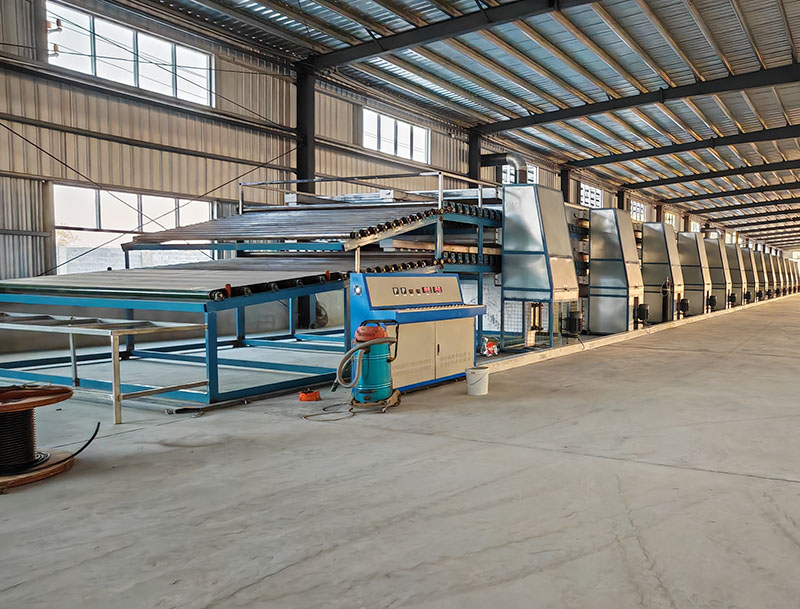
2. Recover Waste Heat: The Medium-Investment Game Changer
In convective veneer drying, exhaust air can carry away 15% to 40% of the total thermal energy—and in poorly designed systems, this can reach 60%. Capturing this waste heat is essential for a greener operation.
Exhaust heat recovery: Install air-to-air heat exchangers, such as hydrophilic aluminum plate core units, to preheat incoming fresh air with hot exhaust. This not only saves energy but also handles high humidity effectively.
Heat pump recovery: Heat pumps can extract low-grade heat from exhaust and feed it back into the drying chamber. Industry standards explicitly recommend using heat pumps or heat exchangers for waste heat recovery.
Heat pipe technology: Recovered heat can also be used for pre-drying veneers or heating the workshop during colder months.
Insulation checks: Regularly inspect and repair insulation, especially around doors, flanges, and observation windows, to keep heat loss around 6%—the optimal balance point.
3. Switch to Cleaner Heat Sources
If your factory still relies on coal or heavy oil, transitioning to alternative energy can yield dramatic environmental benefits. Here’s a quick comparison:
Solution | Ideal Scenario | Eco-Friendly Benefit |
|---|---|---|
Air-source heat pump | Medium-low temp drying (40–85°C), areas with affordable electricity | No combustion emissions, 1 kWh electricity yields 3–4 kWh heat |
Biomass burner | Factories with wood waste (cores, scraps, sawdust) | Self-sufficient fuel, lower particulate emissions with secondary combustion |
Natural gas | Regions with strict environmental regulations | No particulates, low sulfur, but requires NOx control |
Solar pre-drying | Sunny regions (e.g., Southeast Asia, Africa) | Reduces veneer moisture to below 20% before machine drying, cutting non-renewable energy use |
As the industry standard suggests, using natural or solar drying as a pre-drying step to bring moisture below 20% before entering the dryer is an often-overlooked free emission-reduction measure.
4. End-of-Pipe Treatment: Control Emissions
Veneer drying exhaust typically contains particulate matter, non-methane hydrocarbons (VOCs), and odorous gases. Environmental regulations worldwide are tightening, so proper treatment is non-negotiable.
Dust control: Use cyclone separators combined with bag filters, venting through tall chimneys (15–17m).
VOC treatment: Technologies like photocatalytic oxidation or three-stage activated carbon adsorption are effective and widely accepted.
No bypass or dilution: Never install bypass ducts to avoid treatment, and do not dilute emissions with fresh air—these are strict regulatory red lines.
Combustion flue gas: If using biomass or gas, ensure emissions of SO₂, NOx, particulates, and Ringelmann blackness comply with local boiler or industrial furnace standards.
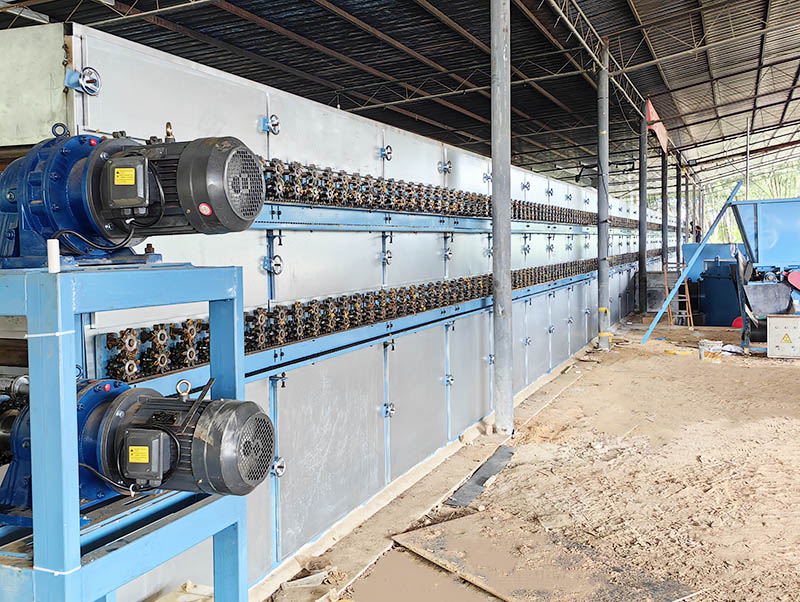
5. Daily Management: Keep Efficiency from Slipping
Sustainability requires consistent effort. Implement these management practices:
Schedule regular maintenance for fans, pumps, motors, and heat exchangers. Fouling on heat exchange surfaces can silently degrade recovery efficiency.
Establish a per-unit energy consumption ledger (e.g., kWh or kg of standard coal per ton of veneer) and review it monthly to catch anomalies early.
Calibrate online monitoring instruments regularly to ensure accurate data.
Dispose of waste activated carbon and dust as classified solid waste, not as regular garbage.
The Often-Overlooked Point: Avoid Over-Drying
Many factories equate environmental protection solely with burning less fuel. However, over-drying is a hidden culprit. It wastes energy and makes veneers brittle, reducing glue bonding strength and increasing rejection rates. When rework happens, total energy consumption actually rises. Therefore, precisely stopping at the target moisture content (typically 8%–12% for plywood veneers) is the most practical eco-friendly action you can take.
Conclusion
Making your veneer drying process more sustainable is a journey with multiple paths. Start with zero-cost operational tweaks, then invest in waste heat recovery, and eventually transition to cleaner energy sources. Not only will you reduce your environmental impact, but you’ll also see lower energy bills and higher product quality. As a trusted supplier of veneer dryers, we are committed to helping our global clients achieve these goals. Contact us today to learn how our energy-efficient drying solutions can transform your production line.