

Industry News
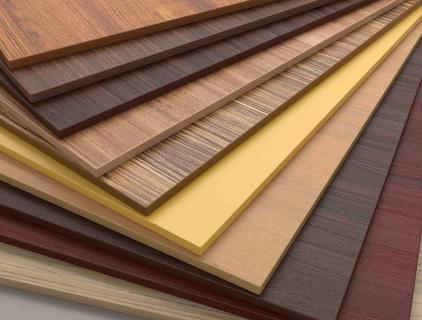
For any plywood or furniture factory, the veneer dryer is not just another piece of equipment; it is the gatekeeper of quality. Many overseas buyers focus heavily on the peeling machine and the hot press, but the drying stage is where the real value is either locked in or lost forever.When you
2026/10/30 11:05
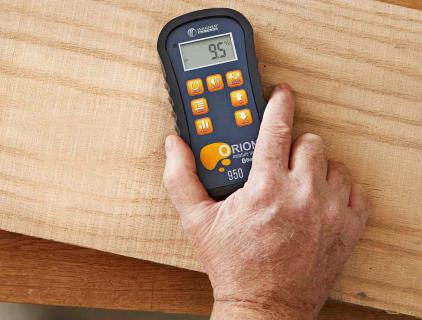
Few quality problems frustrate veneer mill operators more than uneven final moisture content. One stack comes out at 8%, the next at 15%. Within a single sheet, the edges feel crisp while the center is still damp. Customers complain. Glue press yields drop. And nobody is sure exactly where the
2026/10/29 11:28
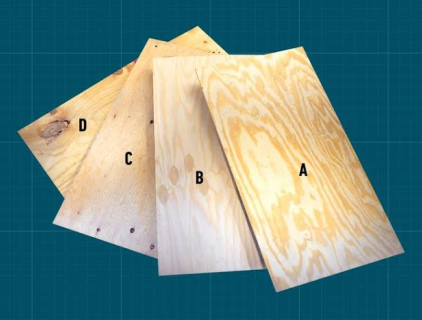
If you run a plywood mill, a veneer trading business, or you are specifying a drying line for a new plant, one question eventually comes up: which wood species is actually the easiest to dry? Not just “can it be dried,” but which veneer flies through the dryer with the least energy, the fewest
2026/10/28 17:00
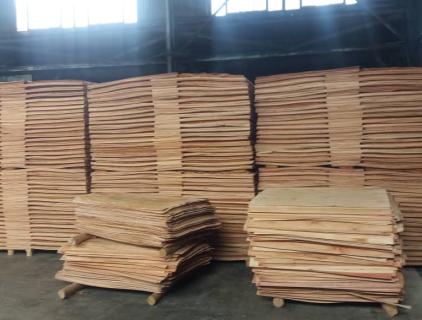
Rubberwood is one of the most widely used species in plywood manufacturing today. It grows fast, machines well, and offers a consistent light color that takes laminate and paint beautifully. But rubberwood has a hidden weakness that can destroy an entire batch of veneer within a single day: it rots
2026/10/27 14:28
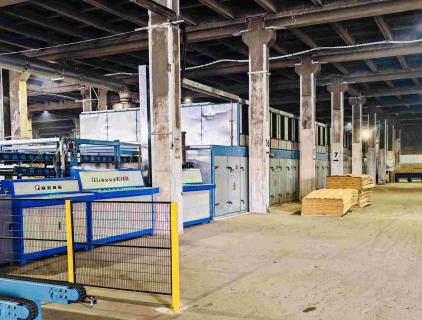
Choosing the right veneer dryer is never just about price. For plywood and veneer mills, the real question is whether the drying line matches the production rhythm, the veneer thickness, and the factory layout. Two machines can both carry the name “wood veneer dryer,” yet work in completely
2026/10/26 16:25
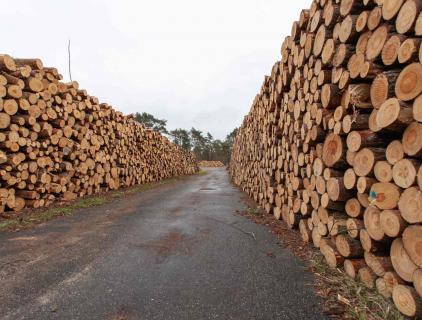
In plywood and veneer mills, not all wood species behave the same way once they hit the dryer. Operators who have run poplar, rubberwood, or Falcata and then switch to pine quickly learn a hard lesson: the machine did not break; the wood simply fights back. Pine veneer is one of the most difficult
2026/10/15 08:55
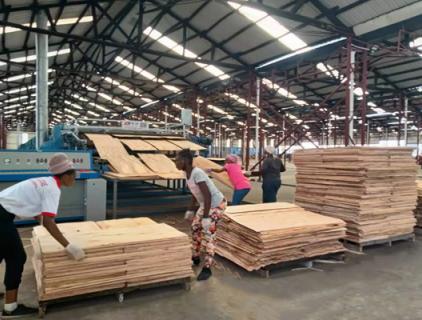
Many plywood-mill owners still believe a veneer drying machine should simply run as hot as possible. In reality, “how hot should it be inside” is the wrong question. The right question is: what temperature should each zone be, for this species, this thickness, and this target moisture? A wood
2026/10/13 13:26
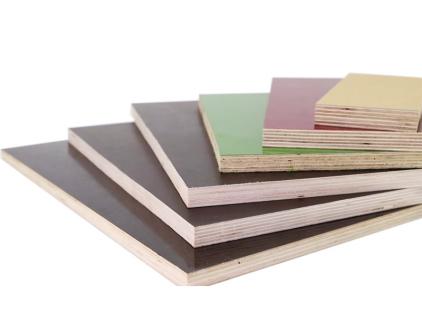
Walk into any plywood factory in China, Indonesia, Vietnam, or India, and you will hear the same question from overseas buyers: "Can you supply good plywood?" The sentence sounds simple, but it is dangerously vague. "Good plywood" for a furniture maker in Germany is completely different from "good
2026/10/09 10:44
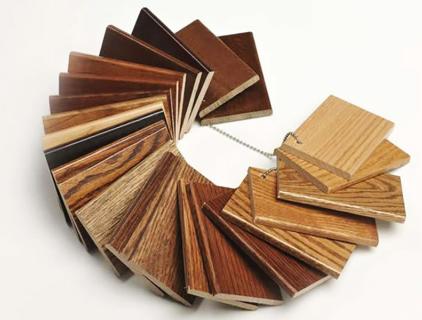
Once veneer leaves the dryer at the right moisture level—usually 8%–12% for plywood core stock and a tighter 6%–10% for decorative or engineered veneer—the real manufacturing value chain begins. Drying is only the preparation step. A sheet that comes out of a mesh belt veneer dryer or roller veneer
2026/09/24 09:33
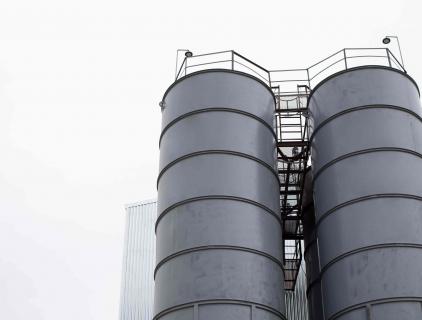
For any plywood or veneer manufacturing plant, the boiler is the silent engine that drives the entire production line. While much attention is paid to the veneer dryer, the peeling lathe, and the hot press, the boiler room often determines whether a factory runs at full speed or stalls halfway
2026/09/22 10:10
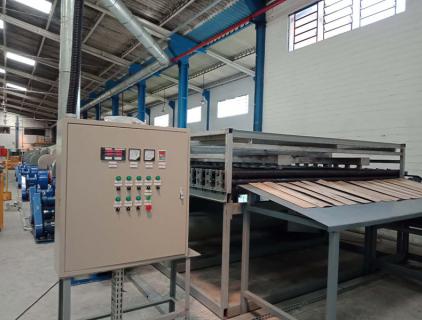
In the competitive landscape of global wood processing, energy efficiency has become a decisive factor for profitability. For plywood and veneer manufacturers, the veneer dryer is one of the most energy-intensive pieces of equipment on the production floor. It consumes vast amounts of heat to
2026/09/11 10:27

In the competitive world of plywood and veneer manufacturing, understanding the nuances of wood drying is not just a technical detail—it is a core business advantage. The veneer dryer, particularly the roller veneer dryer, is the workhorse of any mill, and its efficiency directly impacts the bottom
2026/09/10 11:21
Submitted successfully
We will contact you as soon as possible
Close