

News Center
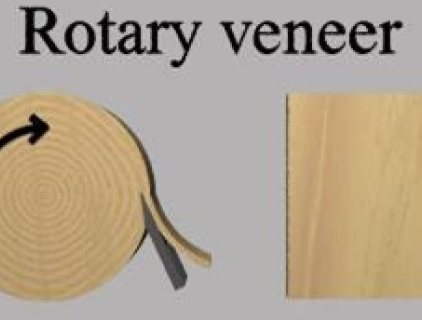
In the global wood processing industry, hardwood veneer holds a special place. From oak and walnut to beech, cherry, and maple, these species command premium prices in furniture, flooring, and decorative paneling. But here is the hard truth: drying hardwood veneer is nothing like drying poplar or…
2026/11/03 14:02
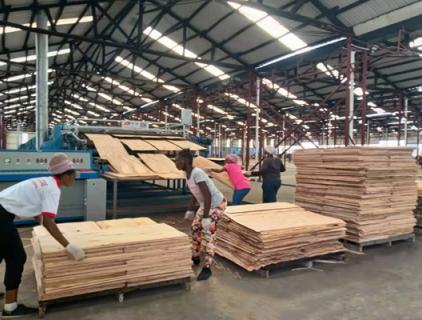
In the wood processing industry, profit margins are often won or lost on the factory floor. For any plywood, furniture, or LVL manufacturer, labor costs represent one of the largest and most difficult-to-control expenses. While many factory owners focus on raw material procurement or hot press…
2026/11/02 10:54
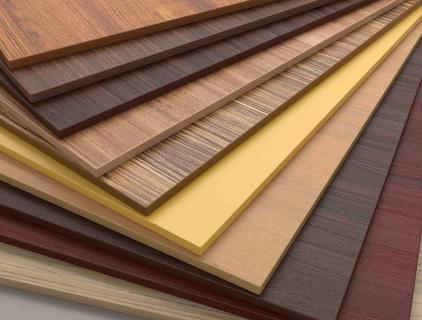
For any plywood or furniture factory, the veneer dryer is not just another piece of equipment; it is the gatekeeper of quality. Many overseas buyers focus heavily on the peeling machine and the hot press, but the drying stage is where the real value is either locked in or lost forever.When you…
2026/10/30 11:05
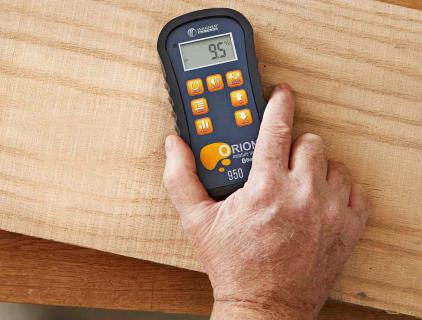
Few quality problems frustrate veneer mill operators more than uneven final moisture content. One stack comes out at 8%, the next at 15%. Within a single sheet, the edges feel crisp while the center is still damp. Customers complain. Glue press yields drop. And nobody is sure exactly where the…
2026/10/29 11:28
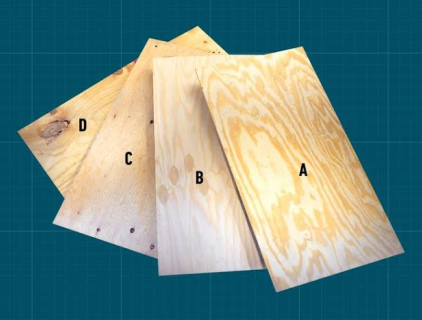
If you run a plywood mill, a veneer trading business, or you are specifying a drying line for a new plant, one question eventually comes up: which wood species is actually the easiest to dry? Not just “can it be dried,” but which veneer flies through the dryer with the least energy, the fewest…
2026/10/28 17:00
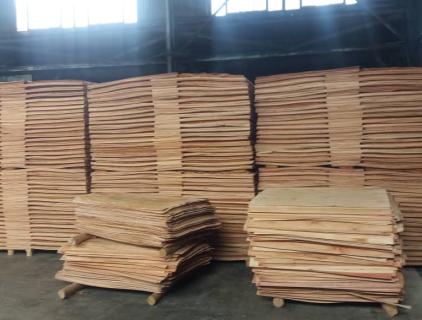
Rubberwood is one of the most widely used species in plywood manufacturing today. It grows fast, machines well, and offers a consistent light color that takes laminate and paint beautifully. But rubberwood has a hidden weakness that can destroy an entire batch of veneer within a single day: it rots…
2026/10/27 14:28
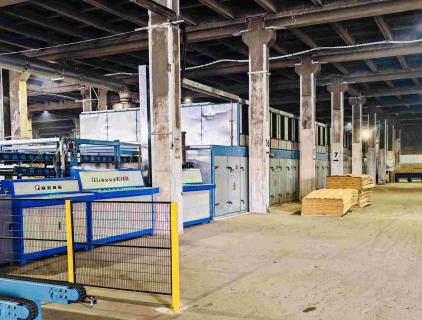
Choosing the right veneer dryer is never just about price. For plywood and veneer mills, the real question is whether the drying line matches the production rhythm, the veneer thickness, and the factory layout. Two machines can both carry the name “wood veneer dryer,” yet work in completely…
2026/10/26 16:25
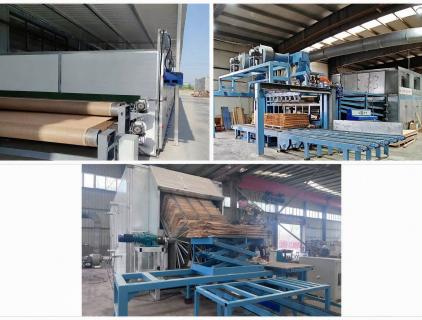
Every plywood and veneer mill eventually faces the same question: “Which veneer dryer should I buy?” The answer is not “the biggest one” or “the cheapest one.” It starts with how the machine moves the veneer and how heat reaches the wood. In today’s market, the three mainstream structures are…
2026/10/22 10:22
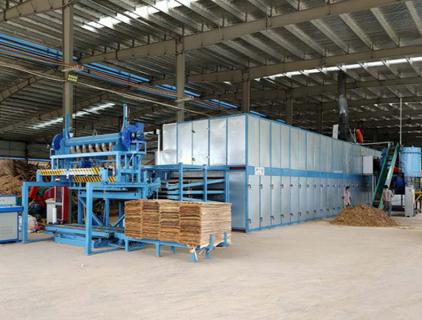
When plywood and veneer mill owners talk about upgrading a wood veneer dryer, they usually start with heat source, deck count, fuel cost, and final moisture content. Those points matter. But one detail quietly decides whether the expensive dryer behind the wall actually runs at its designed…
2026/10/21 08:34
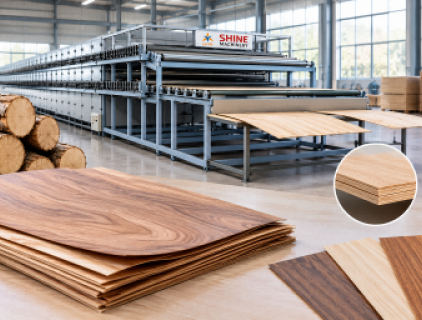
Purchasing a veneer drying machine is one of the most consequential capital decisions in any plywood or veneer mill. The wrong choice does not just cost money upfront—it locks the factory into years of high fuel bills, excessive labor, grade rejections, and maintenance headaches. Yet many buyers…
2026/10/19 11:27
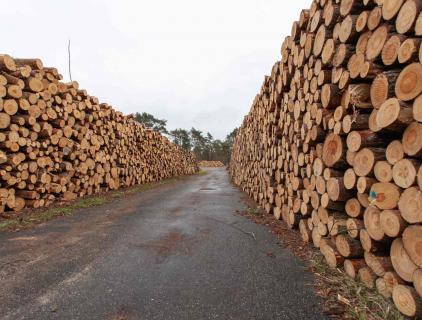
In plywood and veneer mills, not all wood species behave the same way once they hit the dryer. Operators who have run poplar, rubberwood, or Falcata and then switch to pine quickly learn a hard lesson: the machine did not break; the wood simply fights back. Pine veneer is one of the most difficult…
2026/10/15 08:55
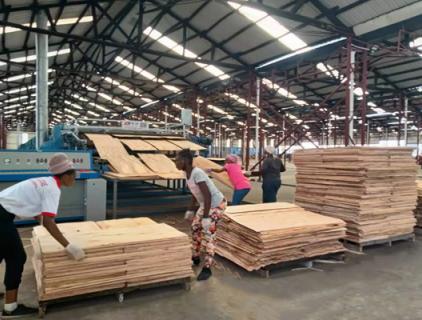
Many plywood-mill owners still believe a veneer drying machine should simply run as hot as possible. In reality, “how hot should it be inside” is the wrong question. The right question is: what temperature should each zone be, for this species, this thickness, and this target moisture? A wood…
2026/10/13 13:26
Submitted successfully
We will contact you as soon as possible
Close