

How to Extend Veneer Dryer Lifespan?
In the plywood and veneer manufacturing industry, the veneer dryer is often called the “heart” of the production line. It is also one of the most expensive pieces of equipment, typically running continuously for long hours under high temperature and heavy load. A well‑built mesh belt veneer dryer can serve reliably for 10 to 15 years—or even longer—but many factories face frequent breakdowns and major repairs within just 3 to 5 years. The difference almost always comes down to maintenance.
Industry veterans often say, “Three parts operation, seven parts maintenance.” To maximize the service life of your veneer drying machine, you need a systematic approach covering cleaning, anti‑corrosion, lubrication, correct operation, and wearing‑parts management. Below is a practical guide tailored for plywood mills and veneer processors worldwide.
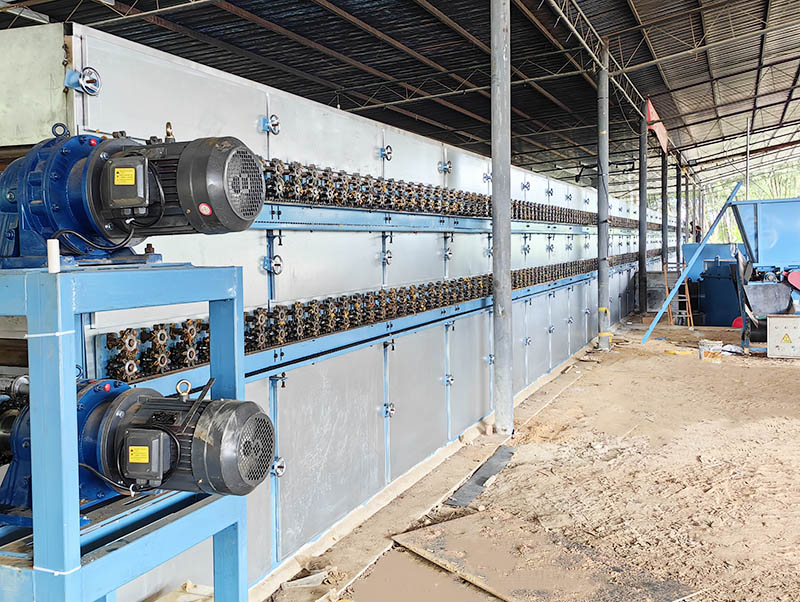
1. Daily Cleaning: Stop Dirt from Becoming a Killer
Wood chips, resin, and dust are the number‑one enemies of dryer longevity. They accumulate quietly and cause mechanical wear, heat loss, and even fire hazards.
Mesh Belt Care
The mesh belt (or conveyor belt) is in constant contact with wet veneers. Bark fragments, broken veneer edges, and sticky resin from softwoods like pine or eucalyptus easily get trapped in the belt’s gaps. Over time, this causes the belt to jam, run off‑track, stretch, or even snap.
Per shift: After stopping the machine, use compressed air or a dedicated wire brush to remove debris from the belt surface and gaps.
Weekly deep clean: Use a high‑pressure water jet (protecting electrical parts) or a specialized degreaser to wash the belt. For resin‑heavy species, consider applying a food‑grade anti‑stick agent or upgrading to a Teflon‑coated belt.
Never let residue bake on: Dried‑on wood particles become abrasive and accelerate wear.
Heat Exchanger (Radiator) Cleaning
The finned tubes of the heat exchanger are magnets for dust and wood flour. A thin layer of dust acts as an insulator, reducing heat transfer efficiency by 10%–15%. To compensate, the burner must fire harder, wasting fuel and forcing fans to run at maximum speed—prematurely aging motors and bearings.
Weekly blowing: Use compressed air or steam to blow dust from the inside out of the fins.
Quarterly inspection: Open side panels to check for hidden dust clumps that could cause hot spots or fire.
Air Ducts and Exhaust
Wet exhaust ducts easily collect condensation and wood particles, leading to internal rust and blocked airflow. Check exhaust pipes and dampers monthly; remove any standing water or buildup.
2. Anti‑Corrosion and Rust Prevention
Inside a dryer, it is hot, humid, and often slightly acidic—a perfect recipe for metal corrosion.
Cabin and frame: Inspect the inner walls of the dryer body (especially near infeed/outfeed openings where temperature differences cause condensation) at least once a year. Touch up any chipped paint with high‑temperature resistant anti‑rust coating.
Door seals and gaskets: High heat hardens rubber seals, causing cracks that let cold air in and create condensation. Replace all sealing strips every 1–2 years.
Heat source corrosion: If you use a biomass burner or boiler, flue gas may contain trace acidic gases (e.g., SO₂, HCl) from wood waste. These attack heat exchangers and chimneys. Use corrosion‑resistant materials like ND steel (09CrCuSb) for critical components, and clean the flue regularly to prevent acid dew‑point corrosion.
Electrical cabinets: Humidity is the enemy of circuits. Place desiccant packs inside control panels or install a small dehumidifier. Wipe dust from terminals weekly to prevent short circuits and board failure.
3. Lubrication: Keep Moving Parts Alive
Bearings, chains, and reducers work in a high‑temperature environment where ordinary grease quickly evaporates or carbonizes, leading to dry friction and seizure.
Bearings and chains: Use high‑temperature lithium complex or polyurea grease rated for 150°C+. Apply fresh grease weekly to all critical points: mesh‑belt support rollers, drive/driven drum bearings, and fan bearings. Chains should be oiled per shift with high‑temp chain oil to prevent elongation and jamming.
Reducers and motors: Check gear‑oil levels monthly. Change the reducer oil completely every 6–12 months (first change at 3 months). Keep motor cooling fans clean and ensure motor housings are free of dust to avoid overheating.
Mesh‑belt tension: A belt that is too loose will slip and scrape the chamber; too tight causes metal fatigue. Adjust tensioning screws weekly to keep both sides even, and use automatic tracking devices to prevent misalignment.
4. Standardized Operation: Avoid “Human‑Made” Short Life
Many dryers die young because of improper start‑up, shutdown, or abuse.
Correct start‑up sequence: First start the mesh belt and circulation fans → then ignite the burner (or open steam valves) → gradually raise temperature.
Correct shutdown: Cut off heat source first → let fans run for 15–30 minutes to blow out residual heat → when internal temperature drops below 60°C → stop belt and fans. Never stop everything abruptly at high temperature; trapped heat will warp belts, damage seals, and shorten wire insulation life.
Avoid idling at high heat: Running an empty dryer at full temperature bakes the machine for no reason. If stopping for less than 30 minutes, lower temperature to 60–80°C in standby mode.
No over‑temperature operation: Even if the dryer is rated for 140°C, continuous maximum‑heat running accelerates metal fatigue and seal aging. Set temperature according to process needs—not “the higher the better.”
5. Wearing Parts List and Proactive Replacement
Create a wearing‑parts ledger. Replace items on schedule rather than waiting for failure—because a broken part often damages neighboring components.
Part | Recommended Replacement Cycle | Notes |
|---|---|---|
Mesh belt (stainless steel/Teflon) | 2–4 years (depending on usage) | Replace immediately if wires break or severe deformation occurs |
Sealing curtains/strips | 1–2 years | Cracked seals cause heat loss and condensation |
Bearings | 1–2 years or at first abnormal noise | Fan bearings are most vulnerable |
High‑temp grease | Weekly application | Use only high‑temp grade |
Reducer gear oil | 6–12 months | First change at 3 months, then annually |
Thermocouples/sensors | 1–2 years | Drift leads to inaccurate temperature control |
Steam traps (if applicable) | 1 year | Failure causes condensate buildup |
Burner nozzles/igniters | 6–12 months | Clean biomass burners more frequently |
6. Seasonal Shutdown and Long‑Term Storage
If your plant shuts down for a month or more (e.g., rainy season, holidays):
Clear everything: Remove all veneer from the machine to prevent rotting and blockage.
Cool‑down maintenance: After turning off heat, run fans until fully cooled. Apply a full round of fresh grease to all bearings and chains.
Rust protection: Coat exposed metal surfaces with anti‑rust oil. Place ample desiccant inside control cabinets and keep them powered for internal heating.
Cover: Use waterproof tarpaulin to shield the entire machine from dust and moisture.
Conclusion
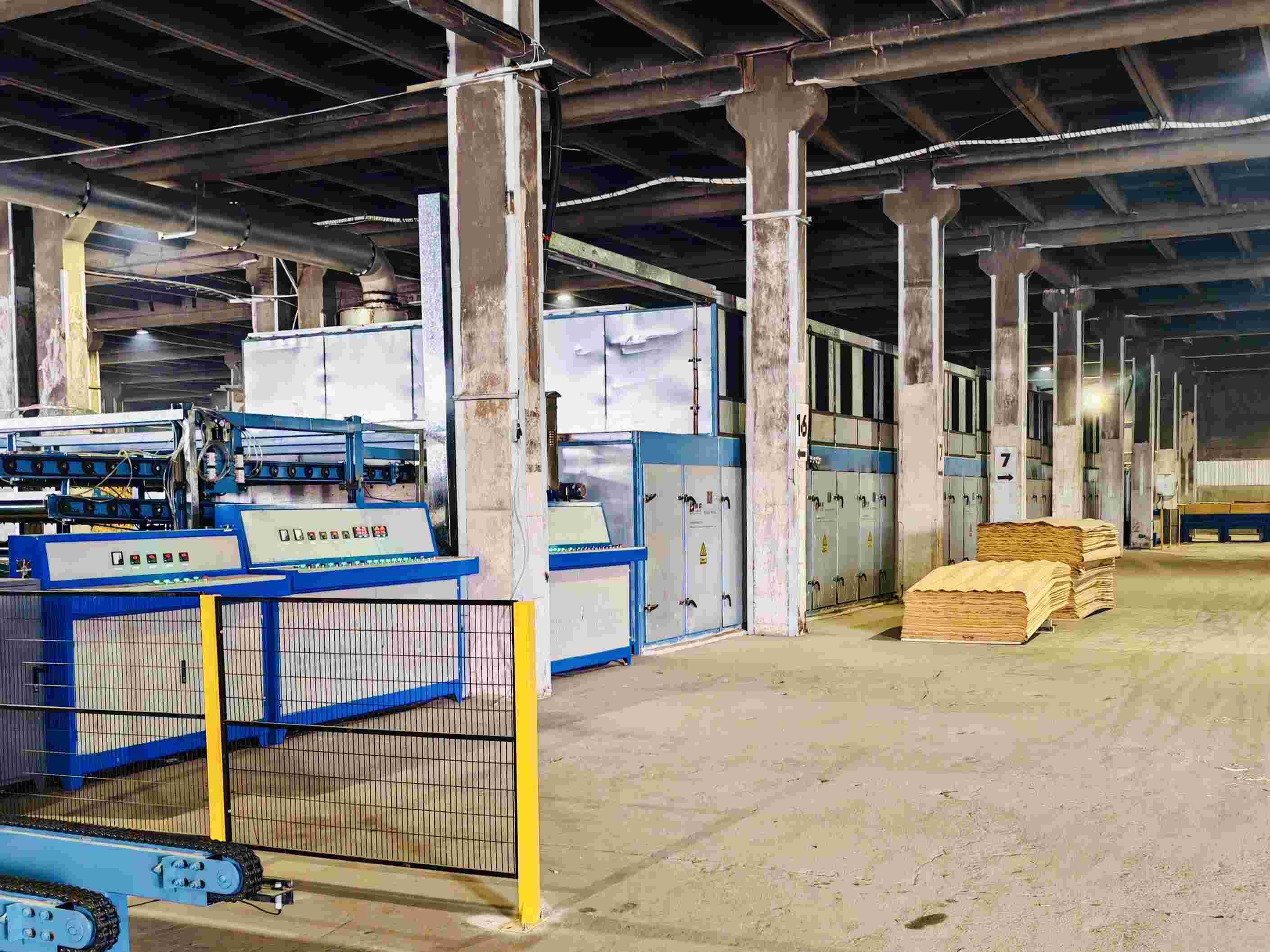
Extending the life of your veneer dryer is not complicated—it just requires discipline. The formula is simple: clean the mesh belt every shift, blow out heat exchangers weekly, lubricate with high‑temp grease on schedule, replace wearing parts before they fail, and follow correct start‑stop procedures. Treat your dryer well, and it will reward you with 15+ years of low‑downtime, high‑efficiency service.
For plywood mill owners and maintenance managers, this is not an “optional extra”—it is a direct path to lower operating costs and higher ROI. If you need a printable maintenance checklist for your workshop, or if you are considering upgrading to a new energy‑efficient veneer drying machine with easier maintenance features, our team is ready to help. Contact us today for a customized solution tailored to your production line.