

How to Reduce Veneer Dryer Carbon Emissions?
In today’s global plywood and veneer industry, carbon emissions are no longer just an environmental topic—they are a business imperative. Overseas buyers, especially in Europe, North America, and Australia, now scrutinize the carbon footprint of every production stage. Among all processes, veneer drying is the most energy-intensive, often accounting for over 70% of a plywood plant’s thermal energy consumption. This means it is also the single largest source of carbon emissions in your factory.
So, how can you drastically cut the carbon footprint of your single-layer or multi-layer veneer dryer without sacrificing output or quality? The answer lies in treating “heat source, equipment, process, and control” as one integrated system. Below is a practical roadmap—from quick wins to long-term zero-carbon strategies—designed for plywood mills and veneer processors worldwide.
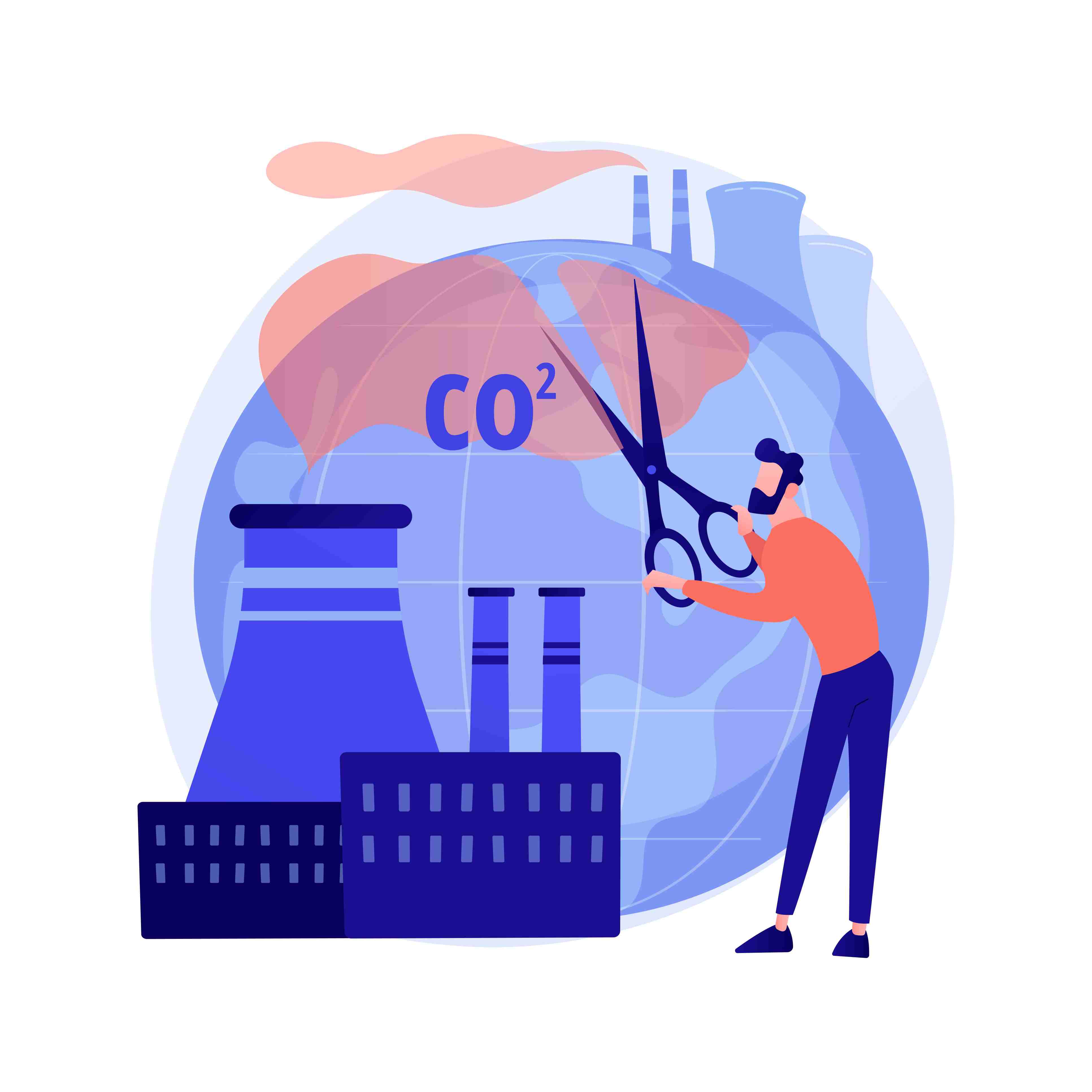
1. Know Your Carbon Sources First
You cannot reduce what you do not measure. In a typical veneer drying line, carbon emissions come from four main areas:
Source | Share of Total Emissions | Description |
|---|---|---|
Heat source combustion (coal/oil/gas/biomass) | 70%–85% | The absolute dominant source, especially in older coal-fired plants |
Purchased electricity (fans, mesh belts, pumps) | 10%–20% | Full-speed fans running 24/7 are the biggest power drain |
Over-drying & re-drying rejects | 5%–10% | Drying below 5% MC wastes exponential energy |
Heat leakage & thermal loss | 3%–5% | Poor insulation, bad seals, and unchecked exhaust |
The clear takeaway: heat source replacement is your #1 lever, followed by recovering wasted heat, and then eliminating over-drying.
2. Switch to Low-Carbon or Carbon-Neutral Heat
Biomass Burners – The Most Cost-Effective Choice
Instead of burning fossil fuels, use rotary-cutting waste—wood cores, sawdust, veneer offcuts—as fuel. This creates a closed loop: wood processing → waste → fuel → drying. Biomass is considered a carbon-neutral energy source because the CO₂ absorbed during tree growth roughly equals what is released during combustion. When paired with proper dust removal, it achieves low smoke and low NOx emissions.
Fuel costs drop by 60%–70% compared to diesel, and in regions like Africa, Southeast Asia, and South America, on-site waste disposal costs are also eliminated. Upgrades such as biomass gasification or carbon-char co-production can further “lock” carbon into solid form.
Air-Source / High-Temperature Heat Pumps – Zero Combustion
For small to medium capacity lines (20–100 m³/day), heat pumps with COP (Coefficient of Performance) of 3.5–5.5 use 1 kWh of electricity to move 4 kWh of heat. If your local grid uses renewable energy, this approach moves close to zero-carbon drying. Heat pumps also work perfectly as auxiliary systems alongside biomass units for peak shaving.
Steam System Upgrades
If you already have a steam boiler, retrofit it from coal to natural gas or biomass. Add flue gas heat recovery to preheat boiler feedwater and install condensate return systems. For advanced plants, Mechanical Vapor Recompression (MVR) can slash steam consumption by 60%–80%.
The “No Coal” Reality
More than 20 provinces in China have already restricted coal-fired industrial boilers. International buyers increasingly reject plywood made with coal-dried veneers. For new projects, the recommended priority is:
Wood waste biomass > Green electricity heat pump > Natural gas > Industrial waste steam > Coal (phased out).
3. Recover “Lost” Heat from Equipment
Exhaust Heat Recovery
Install plate, heat-pipe, or rotary wheel heat exchangers in the exhaust duct to preheat incoming fresh air. This alone recovers 10%–15% of waste heat. In large plants, this translates to tens of thousands of dollars in fuel savings annually. Combining heat pumps with exhaust recovery can push COP above 4.2.
Double-Layer Insulation & Air Seals
Insulate the dryer body, ducts, and fan housings to limit heat loss to within 6%. Add sealing curtains or air curtains at infeed and outfeed openings to stop cold air infiltration and hot air escape.
Full VFD Fans & Smart Airflow
Retrofit all fans with Variable Frequency Drives (VFD). Adjust speed according to drying stage: low airflow in preheating, high in main drying, low again in balancing. This cuts electricity use by 30%–40%. Independent front/rear fan control ensures even temperature distribution (≤3°C difference across the chamber).
Indirect Heating
Always use indirect heat exchange for biomass or gas combustion. Flue gas must never touch the veneer. This protects veneer quality and reduces VOC and particulate emissions.
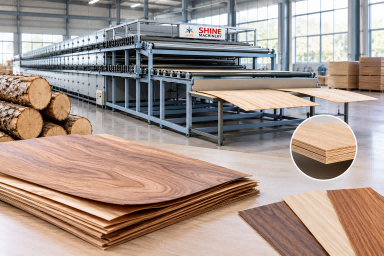
4. Optimize Drying Process to Avoid “Invisible Waste”
Many factories unknowingly burn extra fuel by over-drying or running unstable processes.
Lock final moisture content (MC) at 8%–10%: Pushing MC below 5% doubles energy use with zero commercial benefit.
Zoned temperature control: Preheat at 80–90°C, main dry at 110–130°C, balance at 90–100°C. This saves 15%–20% fuel versus full-high-temperature operation.
Online moisture meters + PLC auto-speed: Install microwave or resistance sensors at the outfeed. Real-time feedback adjusts mesh belt speed, keeping MC fluctuation within ±1% and preventing “just to be safe” over-drying.
Continuous full-load production: Every shutdown and restart wastes fuel for reheating. Batch orders to run continuously, ideally 24/7.
Pre-drying: After peeling, naturally air-dry or solar-dry veneers to below 20% MC before entering the dryer. This drastically reduces the main machine’s load.
5. Create a Resource Loop
Turn your production waste into energy and materials:
Rotary offcuts → biomass fuel (closed loop)
Broken veneers → biomass pellets
Condensate water → returned to boiler or used for cleaning
Sawdust & bark → centralized heating in wood industry parks
When this loop is running, your veneer drying section can achieve near carbon neutrality—a powerful selling point for green-certified plywood.
6. Low-Carbon Configuration Checklist for New Dryers
When purchasing a new veneer drying machine, make these features standard:
Module | Low-Carbon Configuration |
|---|---|
Heat Source | Biomass burner (wood waste) + flue gas heat recovery; or high-temp heat pump |
Thermal System | Indirect heating + exhaust heat recovery + condensate return |
Fans | Full VFD, independent zones, EC high-efficiency motors |
Control | PLC + online moisture meter + auto-speed + energy consumption dashboard |
Structure | Double-layer insulated panels + air seals + low-NOx burner |
Energy Management | Carbon footprint tracking, ready for green power integration |
7. Expected Carbon Reduction Results
Industry data shows:
Coal-to-biomass switch: >60% reduction in unit product carbon emissions, plus 60%+ fuel cost savings.
Adding exhaust heat recovery: further 10%–15% energy reduction.
Heat pump + waste heat combo: 35%–40% overall energy saving versus conventional dryers.
Full-system optimization (heat source + VFD + sensors + continuous operation): some plants cut hundreds of tons of CO₂ annually, qualifying for green factory certifications.
Conclusion
Reducing carbon emissions from your veneer dryer is not about buying a single “green gadget.” It requires a systematic shift: replace fossil fuels with wood waste biomass or heat pumps, recover wasted heat, stop over-drying, and let smart controls do the fine-tuning. This is not just an environmental expense—it is a direct cost reduction strategy that improves your competitiveness in the global plywood market.
Are you ready to upgrade your veneer drying line for lower carbon and higher profit? Our engineering team designs customized veneer drying machines and mesh belt veneer dryers with integrated biomass, heat pump, and heat recovery solutions. Contact us today to get a detailed proposal tailored to your production needs.