

Pakistan Delegation Visits Shine Machinery
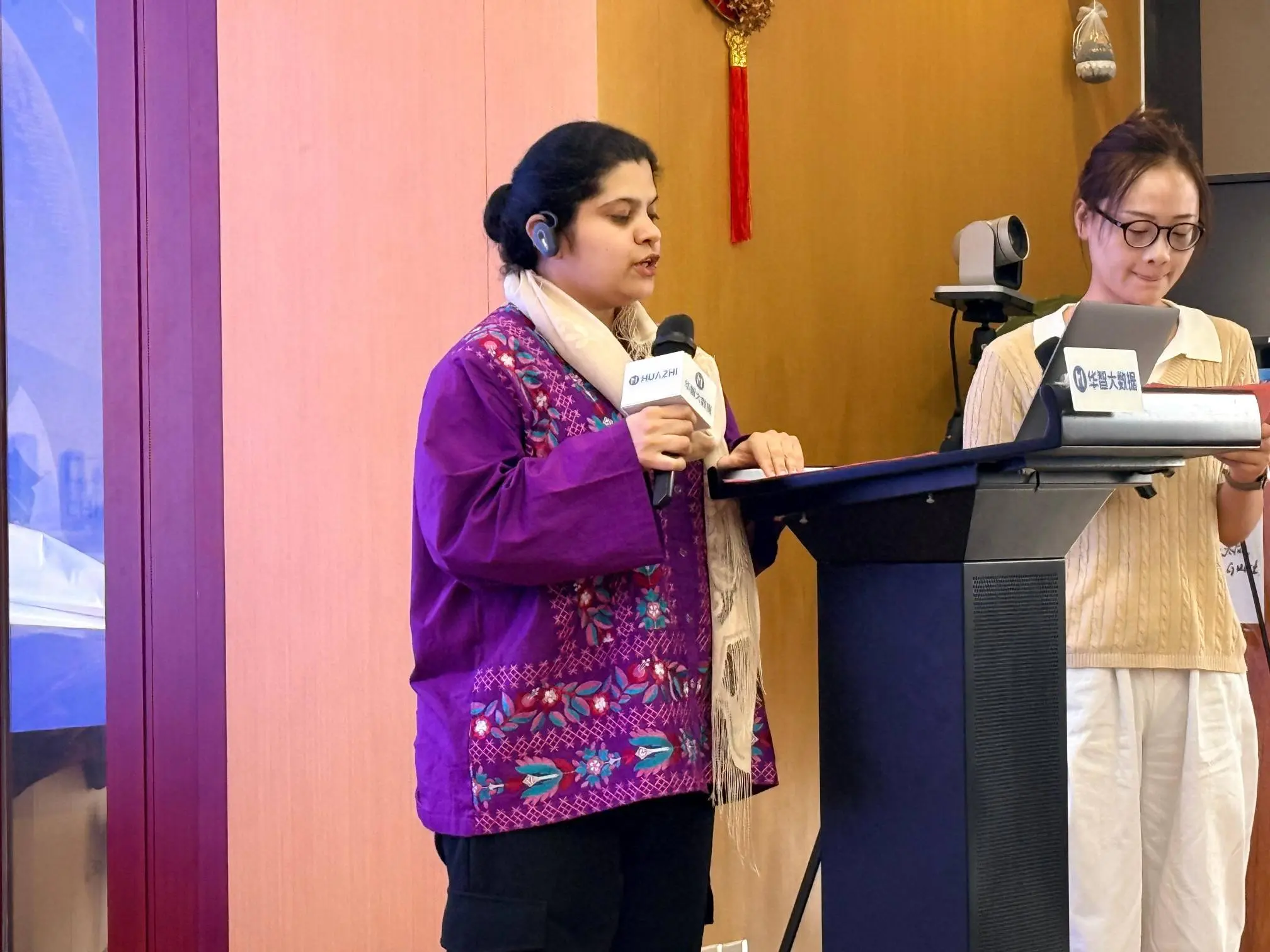
On September 16, a high-level government delegation from Pakistan paid an official visit to Shine Machinery (Shandong Shine Machinery Co., Ltd.), a leading Chinese manufacturer of veneer drying machines, veneer peeling lines, and complete plywood production solutions. The visiting team was composed exclusively of senior officials from Pakistan’s core economic and industrial ministries, including the Ministry of Commerce, the Ministry of Finance, the Ministry of Industries and Production, the Ministry of Planning, Development and Special Initiatives, and the Trade Development Authority of Pakistan (TDAP). The visit, combining a structured factory tour and an in-depth business dialogue, significantly broadened the possibilities for bilateral cooperation across multiple industrial fields and reaffirmed the growing alignment between Pakistan’s industrialization agenda and China’s smart manufacturing capabilities under the broader CPEC framework.
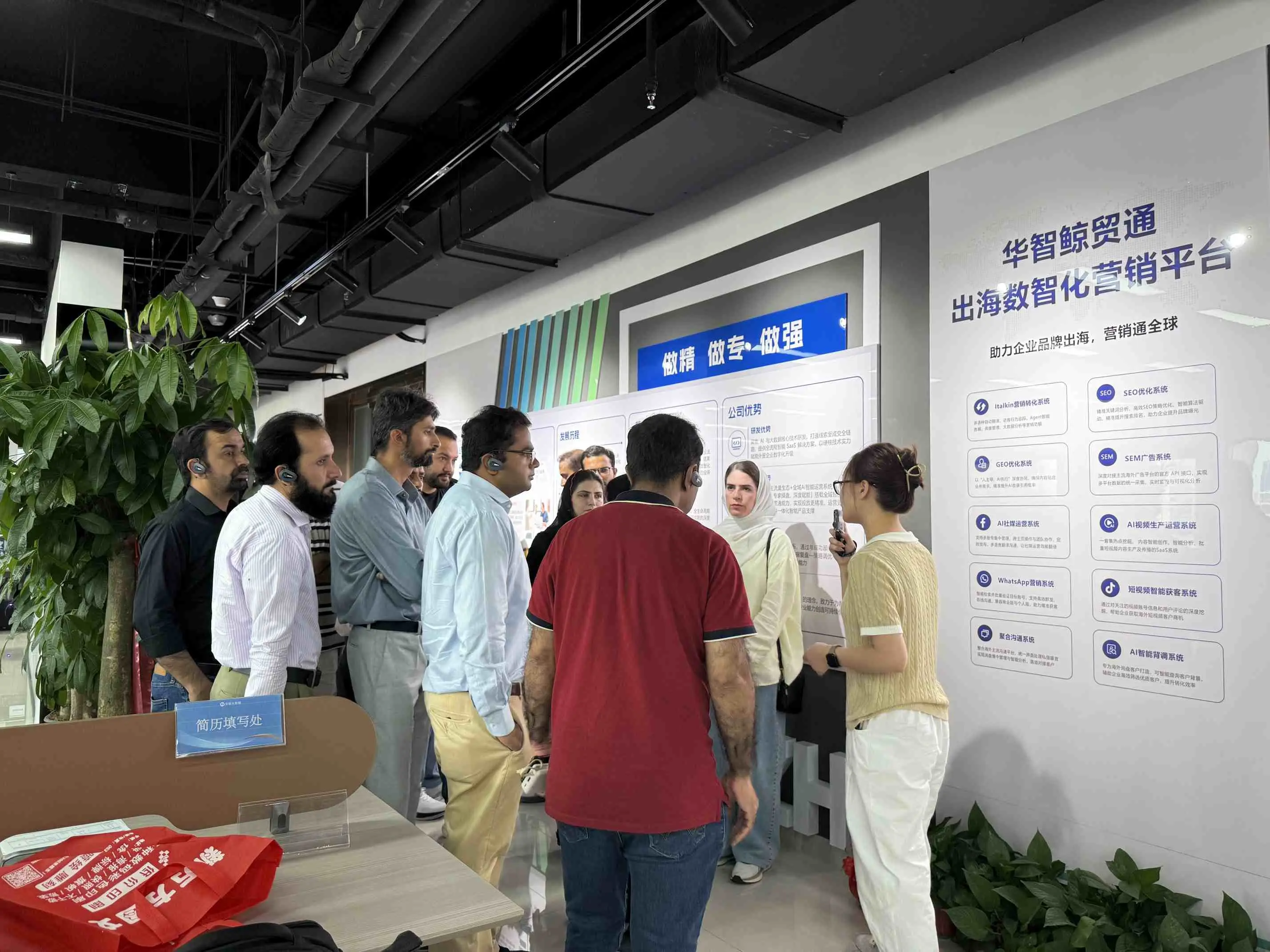
From the moment the delegation arrived at the Shine Machinery campus, the atmosphere was one of pragmatic partnership rather than routine courtesy. Shine Machinery’s international sales director, together with the company’s chief engineer and the head of the overseas service department, received the guests and accompanied them through the company’s 70,000-square-meter manufacturing base, which houses ten standardized workshops and six integrated production lines covering machining, heat treatment, welding, assembly, and painting. The Pakistani officials inspected the machining workshop, the roller veneer dryer assembly bay, the mesh belt dryer testing zone, the veneer peeling line demonstration area, and the control system R&D office. Particular attention was paid to the two-deck 56-meter roller veneer dryer equipped with a biomass burner, the PLC-based temperature and humidity control cabinet, and the AI-assisted veneer sorting prototype—equipment segments that directly speak to Pakistan’s pressing needs in wood-based panel manufacturing, furniture supply chains, and export-oriented value addition.
During the walkthrough, Shine Machinery’s technical team explained how a modern veneer drying machine works in real production: wet veneers at 80%–100% moisture content are clamped and conveyed by staggered stainless-steel rollers, penetrated by zoned hot-air jets, and discharged at a stable 8%–12% moisture content with less than 5% deformation. The delegation showed keen interest in the energy-saving architecture—especially the heat recovery exchanger that reclaims 15%–30% of exhaust heat, and the biomass combustion compatibility that allows Pakistani mills to run dryers on local wood waste instead of imported diesel or expensive natural gas. Officials from the Ministry of Industries and Production noted that such features match Pakistan’s policy push for localized manufacturing and reduced reliance on imported finished panels, while representatives from the Ministry of Planning highlighted the relevance of Shine’s equipment to rural industrialization and job creation in timber-rich regions such as Khyber Pakhtunkhwa and Azad Jammu & Kashmir.
The formal discussion session that followed was candid and forward-looking. The Shine Machinery side opened with a brief corporate presentation, recalling that the company has, since its founding, invested heavily in R&D, obtained ISO9001 and CE certifications, and exported veneer dryers and peeling lines to Russia, Southeast Asia, Africa, and South America. The Pakistani delegation then outlined the country’s current industrial priorities: upgrading the wood and furniture cluster around Gujrat and Lahore, expanding engineered wood capacity to substitute imports, modernizing SME factories through the TEVTA and TDAP channels, and attracting foreign direct investment into special economic zones where machinery imports enjoy customs relief. Officials from the Ministry of Finance stressed that any cooperation model must be bankable—pointing to the State Bank’s financing lines for export industries and the role of institutions such as Bank of China in facilitating RMB settlement. The Ministry of Commerce representatives focused on market access, suggesting that a Shine dryer installed in a Pakistani SEZ could serve not only domestic plywood mills but also re-exporters shipping to the Middle East and Central Asia. TDAP officers added that participation in Pakistan’s flagship trade expos in Karachi and Lahore, coupled with joint demonstrations, would accelerate local trust in Chinese smart drying technology.
What made this meeting distinct from a standard sales visit was the cross-ministerial composition of the Pakistani side. With finance, commerce, planning, industry, and trade promotion seated at the same table, the conversation naturally moved beyond “one machine, one order” into structural topics: joint ventures for local assembly of dryer rollers and frames, technician training programs certified by Pakistani vocational bodies, KD (knock-down) kit shipments to save freight and create local welding jobs, and pilot projects inside Punjab’s furniture estates. The two sides agreed to explore three concrete tracks. First, a feasibility study for a 2-deck roller veneer dryer line tailored to rubber wood and poplar veneers common in South Asia. Second, a service-center model in which Shine Machinery trains Pakistani engineers on-site and stocks spare rollers, sensors, and burners locally. Third, a policy-level follow-up where TDAP and the Ministry of Commerce link Shine with vetted Pakistani plywood groups, while the Ministries of Industries and Planning evaluate the project under the umbrella of CPEC phase-two industrial cooperation.
Both parties acknowledged that the timing is favorable. Pakistan’s construction and housing sector continues to drive plywood demand, while its furniture exports to the EU and Gulf markets require tighter moisture-control standards that older kiln systems cannot meet. A modern wood veneer dryer from Shine Machinery, with its PLC control, optional AI vision, and heat recovery, answers exactly that quality gap. For Shine, the Pakistani market is not a marginal destination but a gateway to South Asia: a country of over 240 million people, a young workforce, deep sea ports at Karachi and Gwadar, and a manufacturing base already familiar with Chinese CNC and woodworking brands.
As the delegation concluded the visit, the consensus was clear: the September 16 meeting at Shine Machinery was not a ceremonial photo opportunity but a substantive starting point. It added tangible options in equipment supply, local assembly, personnel training, and policy coordination—options that neither side could have shaped in isolation. Shine Machinery committed to preparing a Pakistan-specific proposal package, including layout drawings, fuel-cost simulations for biomass versus gas, and a suggested phased investment plan for a 100-cubic-meter-per-day plywood line. The Pakistani officials pledged to channel the proposal to the relevant SEZ authorities and to arrange a reciprocal technical visit to wood clusters in Punjab and Sindh.
In an era where global trade is shifting from pure price competition to system-level partnership, the Shine Machinery–Pakistan delegation encounter illustrates how a single factory visit can unlock multi-ministry momentum. By connecting a Chinese veneer drying machine maker’s engineering depth with Pakistan’s industrial, financial, and trade apparatus, the door opens not just for selling dryers, but for building dryers, servicing dryers, and growing an entire wood panel ecosystem together. That is the kind of cooperation both governments have repeatedly called for—and on September 16, it took one more concrete step forward.