

How to Select Right Veneer Dryer
Choosing the right veneer drying machine is one of the most consequential decisions a plywood or veneer manufacturer will make. It is not simply a matter of comparing price tags or brand reputation; rather, it is a process of matching the specific characteristics of the wood species, production volume, and available energy sources to the correct machine configuration. A poor choice can lead to years of suboptimal line speeds, excessive fuel consumption, and unsatisfactory veneer flatness. Conversely, a well-matched wood veneer dryer becomes the heart of a profitable operation, delivering consistent moisture content, minimizing defects, and keeping energy costs under control. This article outlines a six-step decision-making framework to guide manufacturers through the selection process, ensuring that every investment aligns with real-world production needs.
The first and most critical step is to define what will be dried. Wood species dictates everything else. Softwoods like pine and spruce, with densities typically between 0.4 and 0.5 g/cm³, are the easiest to dry due to their open cell structure and rapid moisture migration. For these species, either a mesh belt or roller veneer drying machine can be used, though mesh belt models offer superior surface protection. Low-density hardwoods such as poplar also dry relatively easily but are prone to warping if exposed to high heat too quickly, making a mesh belt dryer the preferred choice. Medium-density species with resin content, like rubber wood, require a roller dryer with a longer chamber and careful temperature control between 140°C and 155°C to prevent resin bleed. High-density hardwoods such as birch, beech, and oak are the most challenging; they demand roller dryers with extended drying zones and slower line speeds to avoid case hardening and internal cracks. As a general rule, veneers thinner than 2.0 mm should be processed on mesh belt dryers, while those thicker than 1.5 mm are better suited for roller veneer dryers. Within the overlapping range, the decision hinges on surface quality requirements—mesh belts for flawless, indentation-free surfaces, rollers for durability and slight flattening effect.
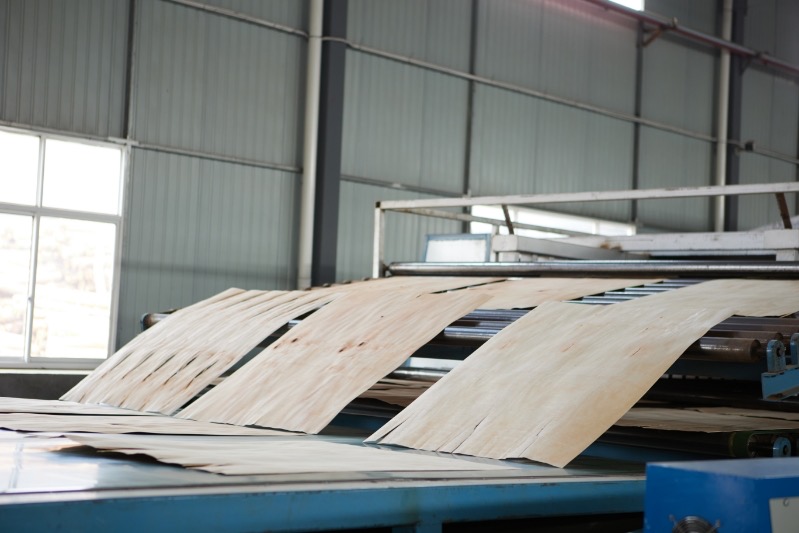
Once the species and veneer thickness are established, the next step is to determine the required production capacity. This figure is used to calculate the necessary length and number of decks for the wood veneer dryer. A rough estimation formula considers line speed, sheet dimensions, thickness, and a yield coefficient. For example, a two-deck, 56-meter roller dryer operating for 22 hours can produce 100 to 110 cubic meters of rubber wood veneer, translating to a line speed of approximately 3 to 3.5 meters per minute. Small factories producing 30 to 50 cubic meters per day may only need a single-deck, 32 to 42-meter machine. Medium-scale operations targeting 80 to 120 cubic meters per day, like the Pu'er installation, typically opt for a two-deck, 48 to 56-meter model. Large mills exceeding 150 cubic meters daily often require two to three decks spanning 60 to 72 meters or dual parallel lines. It is always wise to add a 20% to 30% buffer to accommodate future expansion. The number of daily shifts also matters; only continuous operations justify the investment in longer chambers.
The third step involves selecting the heat source, which directly binds the operating cost. Biomass burners, especially those using wood waste, are the most economical choice in regions with abundant timber residues, such as Southeast Asia, South America, and southern China. A 10-ton biomass unit, as used in the Yunnan project, provides steady heat but requires a cleaning mechanism to prevent tar buildup. Natural gas offers clean combustion and precise temperature control, ideal for areas with strict environmental regulations, though fuel costs are higher than biomass. Thermal oil systems suit factories with existing boiler infrastructure, while steam is common in retrofits but limited by pressure and slow heating. Electric heating is generally reserved for small test lines due to prohibitive energy expenses. For resinous woods like rubber wood and pine, both biomass and gas work well, but the combustion system must include ash or tar removal features to protect the heat exchanger.
Automation level is the fourth consideration, and it should be phased according to budget. A basic veneer drying machine might feature manual feeding, mechanical temperature control, and no sensors—suitable for small workshops with very low capital. A standard configuration, which is highly recommended, adds automatic feeding, a PLC, temperature and humidity sensors, and variable-frequency fans. This setup ensures stable moisture content and reduces human error. An intelligent version integrates all of the above plus vision sorting linkage, heat recovery devices, and IoT remote monitoring. These advanced features are essential for export-oriented production and high-end plywood where labor costs are high. Although optional, heat recovery and sensor systems typically pay for themselves within 6 to 12 months through fuel savings, making them a smart addition even for mid-tier budgets.
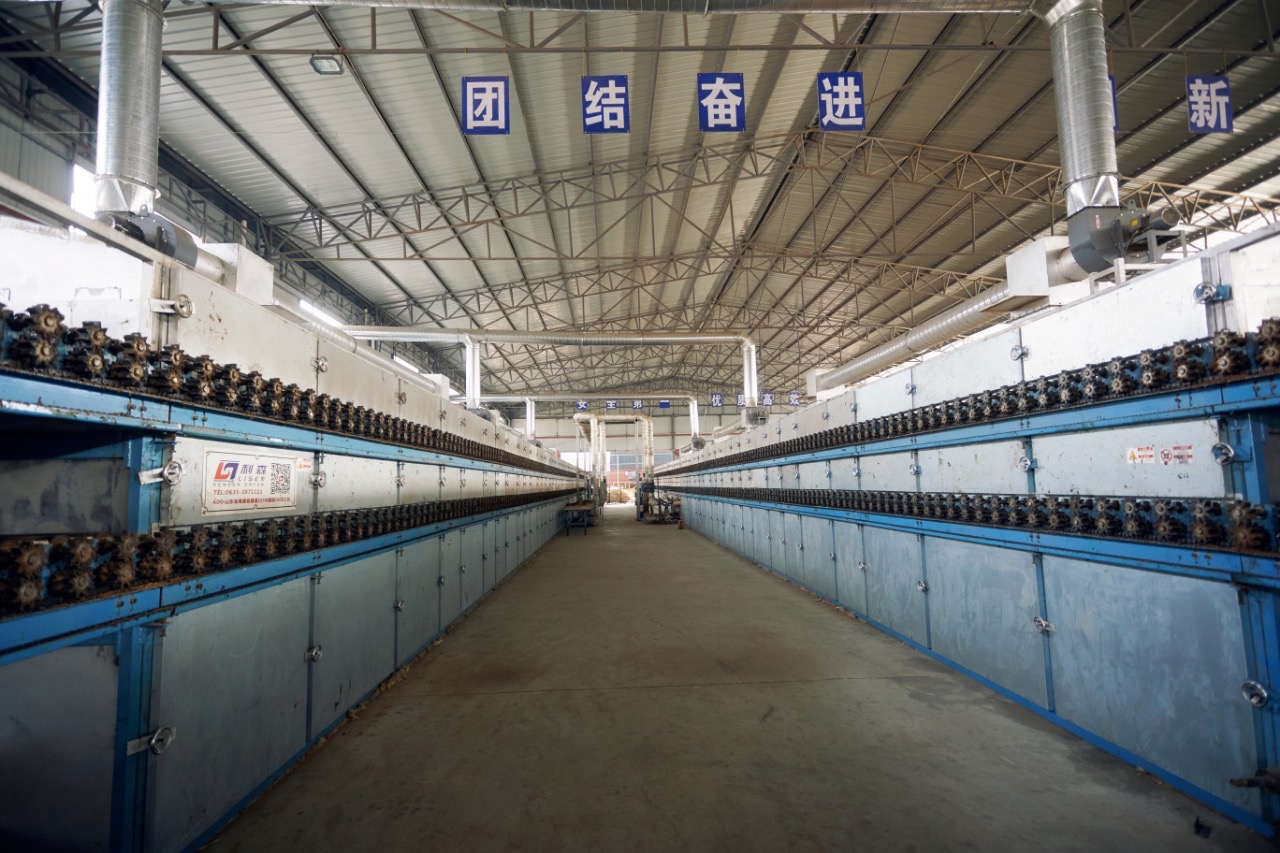
Fifth, manufacturers must verify critical hardware parameters regardless of the supplier. The insulation layer should use aluminosilicate fiber blankets with a density of 80 to 100 kg/m³ and a total thickness of at least 50 mm, applied equally to doors. Rollers or mesh belts must be made of 304 stainless steel, with rollers dynamically balanced. Fans should be high-temperature centrifugal types rated above 180°C and controlled by inverters. Burners must be modulating rather than on-off type for precise heat adjustment. The control system should be PLC-based with an HMI touchscreen, avoiding outdated relay wiring. Safety features including over-temperature alarms, spark detection, emergency stop circuits, and interlocked access doors are non-negotiable.
The final and most overlooked step is to request a trial run from the supplier. Manufacturers should send three to five representative wet veneer sheets, clearly labeled with species, thickness, and initial moisture content, to the equipment maker. The supplier should then test these on an actual wood veneer dryer or a comparable model, providing the drying curve, final moisture distribution, and photos of veneer flatness. Comparing real test data from two or three suppliers is far more reliable than evaluating brochure claims. Many manufacturers advertise capacities of 120 cubic meters per 24 hours, but actual output may drop to 80 cubic meters due to poor species adaptation or uneven hot air distribution. A trial run eliminates such uncertainties before purchase.
In summary, selecting the ideal veneer drying machine follows a clear sequence: identify species and thickness to choose between mesh belt and roller designs; calculate daily capacity to determine length and deck count; pick a heat source based on local energy costs; phase automation according to budget; lock down hardware specifications in the contract; and always validate with a trial run. By adhering to this framework, manufacturers can avoid costly mistakes and secure a drying line that delivers quality, efficiency, and long-term value. The right wood veneer dryer is not just a purchase—it is a strategic asset that will shape the factory's competitiveness for years to come.