

Drying Pine Veneer: Key Precautions
In the global plywood and wood processing industry, pine is one of the most widely used raw materials. Its low density, straight grain, and excellent permeability make it a favorite for manufacturers. However, when it comes to drying, pine veneer presents a unique set of challenges that distinguish it from other species. The process of removing moisture from pine sheets inside a veneer drying machine requires careful attention to temperature, ventilation, and equipment maintenance. Failure to follow the correct procedures can lead to resin bleed, surface hardening, warping, and even spontaneous combustion. This article provides a comprehensive guide for operators and factory managers on the critical precautions to take when drying pine veneer, ensuring optimal results and safe operations.
Pine veneer is generally considered one of the easiest types of wood to dry due to its low density, typically ranging from 0.4 to 0.5 g/cm³. The large cell cavities and low resistance in the pit membranes allow water vapor to migrate rapidly from the interior to the surface. This means that, in theory, pine can withstand higher temperatures and faster line speeds inside a wood veneer dryer without suffering the internal stresses that plague denser hardwoods. Yet, this advantage is counterbalanced by the high resin content inherent in softwoods. Resin, or pitch, is a sticky substance that can exude from the wood when exposed to heat. If the drying parameters are not properly controlled, this resin can melt, spread across the veneer surface, and cause a host of problems that compromise both the quality of the veneer and the efficiency of the production line.
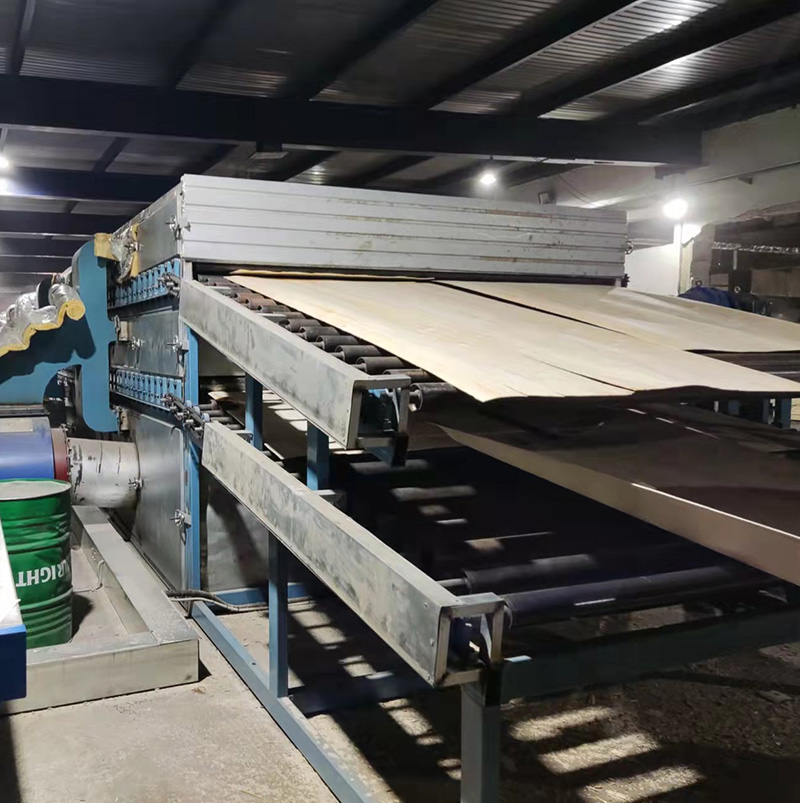
The most critical factor when drying pine veneer is temperature control. The primary goal is to prevent excessive resin bleeding. When the temperature inside the veneer drying machine rises too high, the resin within the pine cells liquefies and seeps out. This not only creates a mess on the equipment but also forms a barrier that interferes with subsequent gluing processes. In plywood manufacturing, the adhesive must penetrate the wood fibers to form a strong bond. A resin-coated surface repels glue, leading to poor adhesion and delamination. To avoid this, operators should adopt a moderate-temperature, slow-drying approach or use a segmented temperature profile. During the preheating phase, the temperature should be kept relatively low, around 120°C to 130°C, allowing moisture to evaporate gradually without shocking the wood. As the drying progresses, the temperature can be increased, but it should never exceed the point where the resin begins to flow freely. For very thin pine veneers, high temperatures above 160°C may be used, but only for extremely short durations. This careful balancing act is essential for producing high-quality pine veneer that is ready for the press.
Ventilation and exhaust management are equally vital. Pine releases not only water vapor but also significant amounts of volatile organic compounds (VOCs) and turpentine vapors when heated. These gases can accumulate inside the wood veneer dryer, creating a potentially explosive atmosphere if the concentration reaches a certain level. Moreover, if the vapors are not promptly removed, they can condense on cooler surfaces and drip back onto the veneer, causing stains and defects. Therefore, it is imperative to maintain a high exhaust air volume. The exhaust fans should be set to remove the moist, contaminated air efficiently. However, this must be balanced with energy considerations. As discussed in previous articles, integrating a heat recovery system can capture some of the waste heat from the exhaust while still ensuring adequate ventilation. Regular inspection and cleaning of the exhaust ducts are also necessary because the resinous vapors can cool and solidify into a tar-like substance that clogs the pipes, reducing airflow and increasing fire hazards.
Another common issue in pine veneer drying is the prevention of case hardening, also known as "surface hardening." Although pine has excellent permeability, pushing the veneer drying machine too hard—by setting excessively high temperatures and fast line speeds—can cause the surface moisture to evaporate almost instantly. This creates a dry, rigid crust on the outside while the core remains wet. The result is a phenomenon called "false drying," where the veneer appears ready but actually has an unacceptably high moisture content. To prevent this, operators should rely on real-time data from humidity and temperature sensors installed inside the dryer. These sensors provide feedback that allows the control system to adjust the drying curve, ensuring that moisture is removed evenly from the inside out. The use of an intelligent wood veneer dryer with automated controls can make this process much more reliable, reducing the risk of human error and improving overall product consistency.
Equipment cleanliness is a practical concern that cannot be overlooked. In a roller veneer dryer, the resin from pine veneer can drip onto the rotating cylinders. If not cleaned, this buildup will harden and stick to the next sheet of veneer, causing scratches, tears, or misalignment. The problem is exacerbated if the veneer jams and remains in contact with the hot rollers for an extended period. To mitigate this, a strict maintenance schedule should be implemented. At the end of each shift, the rollers should be cleaned with wire brushes or specialized chemical agents to remove any resin deposits. Some modern dryers are equipped with self-cleaning mechanisms, but manual inspection is still recommended. Additionally, ensuring that the incoming veneer has a uniform thickness helps prevent jams, as variations in thickness can cause the sheet to catch between rollers.
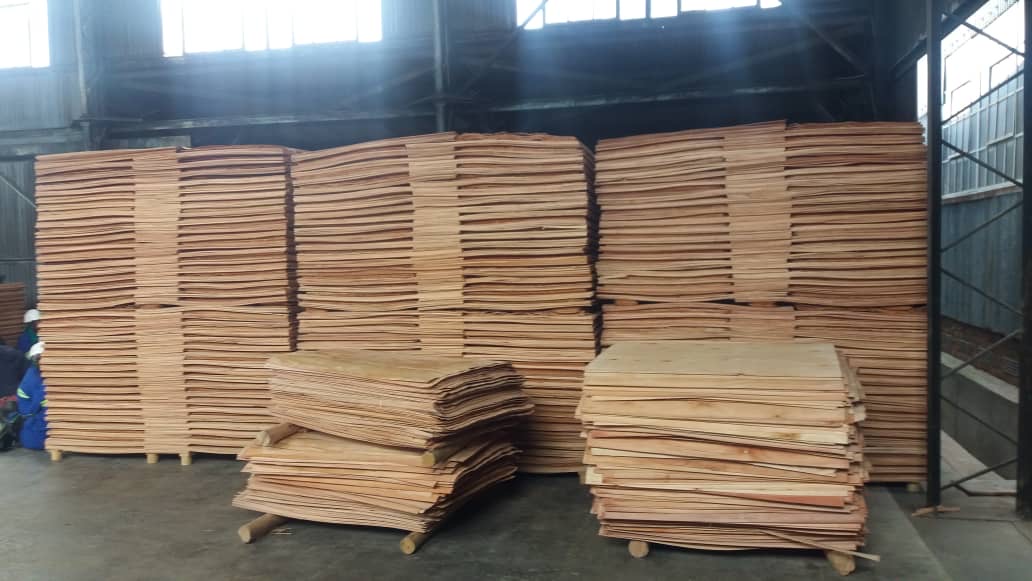
The final stage of the drying process—cooling and stacking—also demands special attention. Pine veneer, being a resinous softwood, retains heat and can pose a fire risk if not handled properly. Freshly dried veneer exiting the veneer drying machine can have a temperature of over 100°C. If such hot sheets are immediately stacked and compressed, the heat becomes trapped, potentially leading to spontaneous combustion. This is a serious safety concern that has caused fires in many wood processing facilities. To avoid this, the veneer must be cooled thoroughly before stacking. Most production lines include a cooling section with fans or a natural cooling zone where the sheets can reach near-ambient temperature. Once cooled, the veneer should be stacked in a way that allows air circulation, further dissipating any residual heat. Only after these steps can the pine veneer be safely bundled and stored.
Beyond these operational precautions, manufacturers should also consider the broader context of energy efficiency and product quality. Drying pine veneer efficiently not only saves fuel but also preserves the natural light color and smooth texture that make pine so desirable. Over-drying or using excessive heat can cause the wood to darken, reducing its market value. Therefore, the ideal drying process inside a wood veneer dryer should aim for a final moisture content of 8% to 12%, which is optimal for gluing. Achieving this target requires a combination of the right temperature profile, adequate ventilation, and precise control over the drying time. With the advent of AI and machine vision, some advanced lines can even adjust the drying parameters on the fly based on the initial moisture content and thickness of each batch of pine veneer, further optimizing the outcome.
In conclusion, while pine veneer is relatively easy to dry due to its low density and high permeability, the presence of resin introduces complexities that demand careful management. Operators must control the temperature to prevent resin bleed, ensure robust ventilation to remove hazardous vapors, avoid surface hardening through gradual drying, maintain clean equipment to prevent sticking, and cool the veneer properly to avoid fire risks. By following these precautions, manufacturers can maximize the output of their veneer drying machine, produce superior pine veneer, and maintain a safe working environment. As the industry continues to evolve, the integration of smart sensors and automated controls will make these tasks easier, but the fundamental principles of drying pine will remain the same. For any factory looking to excel in pine plywood production, mastering these aspects of the drying process is not just recommended—it is essential.