

What Truly Defines Plywood Quality?
Subtitle: Beyond the Basics – How Smart Production Lines are Tackling the Core Challenges of Consistency and Durability
In an industry where margins are tight and quality standards are climbing, a pressing question echoes across mill floors and boardrooms alike: What truly separates premium, reliable plywood from a defective batch? While the fundamentals of veneer, glue, and pressing are well-known, a deeper analysis reveals that the most common failures—delamination, warping, and inconsistent strength—stem from a fragile interplay between these elements. For operators of a modern plywood production line, the answer isn't found in one single machine, but in the precise calibration of the entire system, with the plywood hot press acting as the decisive final gatekeeper of quality.
The Unseen Risk: It Starts Before the Press
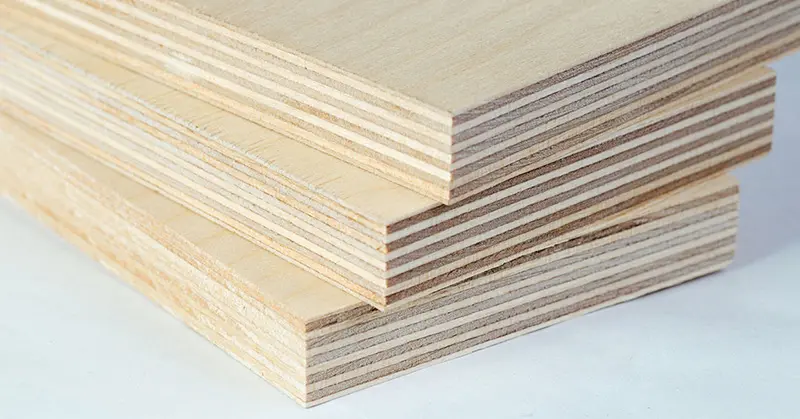
Many manufacturers assume that a high-tolerance plywood hot press can compensate for upstream inconsistencies. This is a costly misconception. The foundation of quality is laid at the very beginning of the plywood production line with the veneer. Beyond simple thickness uniformity, the critical factor is moisture equilibrium. Veneer that is unevenly dried creates internal stresses that no amount of pressure can fully rectify, leading to post-production warping. Furthermore, the choice of wood species is not just about strength; denser hardwoods require significantly different plywood hot press parameters (higher temperatures or longer cycles) compared to softwoods to achieve full glue cure. Neglecting this adjustment is a direct path to weak core bonds.
The Glue Dilemma: More Than Just Spread Rate
The second pillar, adhesive management, is often reduced to a simple spread rate check. However, with the industry's push towards low-formaldehyde and bio-based resins, the chemical behavior of glue has become more complex. An often-overlooked factor is the "open time"—the window between glue application and pressing. In a fast-moving plywood production line, if the assembled mat waits too long before entering the plywood hot press, the glue can pre-cure or skin over, resulting in catastrophic bond failure. Conversely, rushing uncured mats into the press to save time can trap steam, causing blows. The solution lies in synchronizing the glue mixer's output with the line's pace and the press's loading rhythm.
The Pressing Truth: Data Over Intuition
The plywood hot press is where the product's fate is sealed. The traditional "set-and-forget" approach to temperature and pressure is no longer sufficient. Modern quality control hinges on treating the press as a data node. For instance, slight variations in platen temperature across a large multi-opening plywood hot press can lead to panels that pass tests on one side but fail on the other. The latest advancements focus on closed-loop control systems that monitor pressure distribution in real-time, automatically compensating for variations in mat thickness and moisture to ensure every square inch of every panel receives the exact energy needed for optimal curing. This level of control is what transforms a standard plywood production line into a high-reliability asset.
The Human Factor in an Automated Line
Even with a perfectly calibrated plywood production line, human oversight remains critical. The final, often underestimated, variable is environmental conditioning. In humid climates, pre-dried veneer can re-absorb moisture before pressing, subtly altering the required plywood hot press cycle. Similarly, post-press cooling and stacking discipline are vital; improper handling after the panel leaves the press can induce stresses that undo all the careful work done upstream.
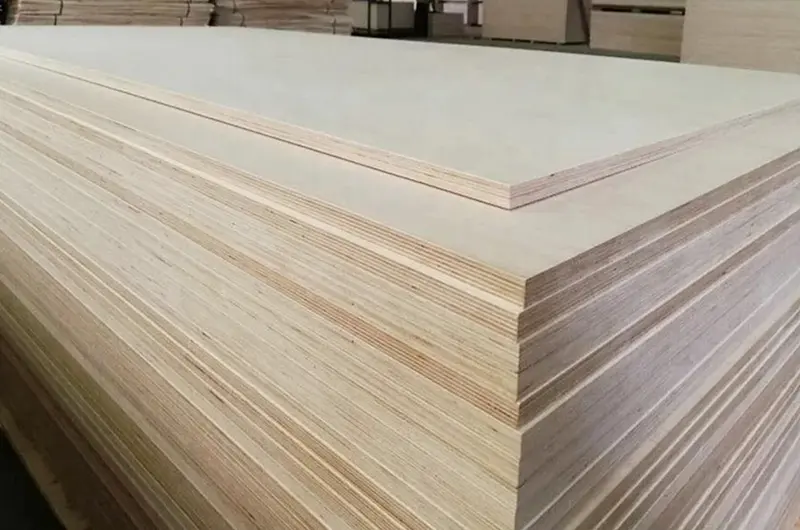
In conclusion, the question of quality is not answered by any single component. It is the result of a holistic strategy that views the plywood production line as an interconnected ecosystem. By focusing on moisture stability upstream, chemical timing at the glue station, and data-driven precision at the plywood hot press, manufacturers can systematically eliminate the variables that lead to rejection and build a reputation for unwavering quality in a competitive global market.