

Veneer Dryer: Reshaping Wood Processing’s Green Future
Against the global backdrop of pursuing carbon peaking and carbon neutrality, the wood processing industry, long labeled as high-energy-consuming and high-pollution, is undergoing a critical green transformation. As a core piece of equipment in the veneer processing chain, the Veneer Dryer is no longer merely a functional tool for dehydrating veneers. Instead, it has emerged as a pivotal force in reshaping the industry’s green future, bridging the gap between industrial development and environmental protection, and injecting sustainable vitality into the low-carbon transition of the wood processing sector.
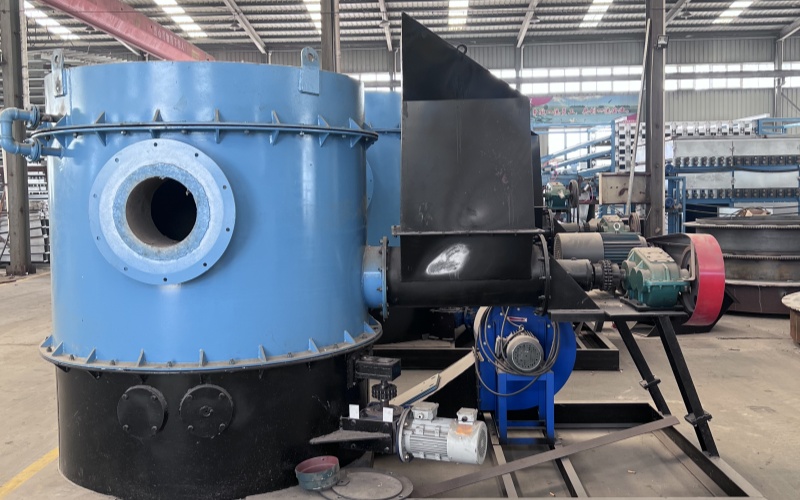
The Veneer Dryer drives green development primarily through energy conservation and emission reduction, addressing the industry's long-standing pain points. Traditional veneer drying methods rely heavily on coal and heavy oil as heat sources, which not only consume massive amounts of non-renewable energy but also release large quantities of carbon dioxide, sulfur dioxide, and particulate matter, posing severe threats to air quality. In sharp contrast, the upgraded Veneer Dryer adopts advanced clean energy solutions, including biomass energy, waste heat recovery systems, and air-source heat pumps. These technologies not only reduce reliance on fossil fuels but also cut energy consumption by more than 35% compared to traditional drying methods, significantly lowering the carbon footprint of the entire wood processing chain and helping enterprises meet increasingly strict environmental protection standards.
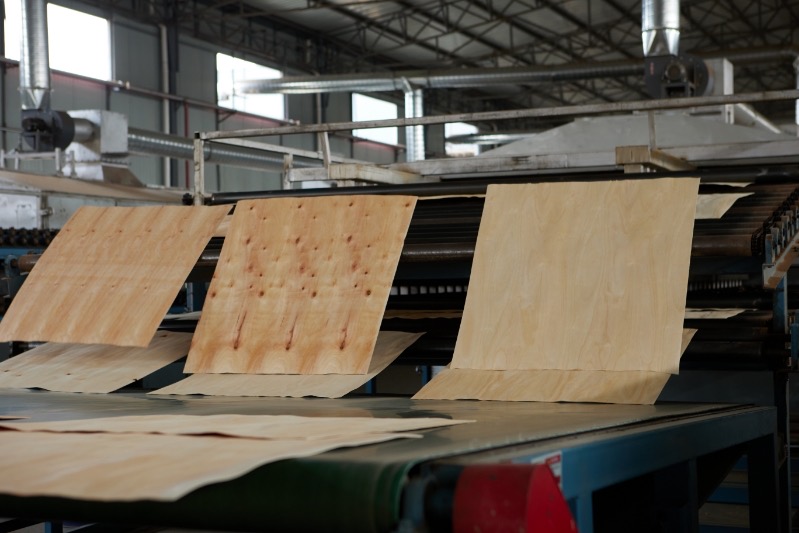
Beyond energy efficiency, the Veneer Dryer also promotes efficient resource utilization and circular economy development. It is equipped with intelligent moisture control systems that accurately regulate the moisture content of veneers to an optimal level, minimizing losses caused by cracking, carbonization, and deformation during the drying process. This not only improves the veneer qualification rate by 20% to 30% but also maximizes wood utilization, reducing the waste of valuable forest resources. Moreover, waste wood chips and processing scraps generated in production can be processed into biomass pellets, serving as clean fuel for the Veneer Dryer. This forms a closed-loop cycle of“wood processing — waste generation — energy recycling — drying production,”realizing the full utilization of resources and reducing environmental pressure.
Additionally, the Veneer Dryer lays a solid foundation for the high-quality and green development of the wood processing industry. By ensuring the stability and consistency of veneer quality, it provides reliable raw materials for the production of high-grade, environmentally friendly wood-based panels, which are widely used in home decoration, furniture manufacturing, and green building fields. These eco-friendly products not only meet consumers’ growing demand for healthy and low-carbon living but also enhance the international competitiveness of China’s wood processing products in the global market, as more countries prioritize green and sustainable supply chains.
In the journey toward carbon neutrality, the Veneer Dryer is playing an increasingly irreplaceable role. It integrates energy conservation, emission reduction, and resource recycling, helping the wood processing industry shake off the label of high energy consumption and high pollution. As technology continues to advance, the Veneer Dryer will further optimize its performance, driving the wood processing industry toward a more green, efficient, and sustainable future, and making important contributions to global carbon reduction goals.