

Cut Labor Costs with Smart Veneer Drying
In the wood processing industry, profit margins are often won or lost on the factory floor. For any plywood, furniture, or LVL manufacturer, labor costs represent one of the largest and most difficult-to-control expenses. While many factory owners focus on raw material procurement or hot press efficiency, the drying section is frequently overlooked as a source of major savings.
If you are operating a veneer drying machine or planning to invest in one, you need to shift your mindset. A wood veneer dryer is not just a device that removes moisture from peeled veneer. It is a strategic asset that, when configured and managed correctly, can dramatically reduce your reliance on manual labor. In this article, we will break down exactly how to cut labor costs in your drying operation—and why the right equipment choices can pay for themselves faster than you think.
Why Labor Costs Matter More Than Ever
Across global wood processing markets, from Southeast Asia to Eastern Europe and South America, the cost of skilled and even semi-skilled labor is rising. At the same time, labor shortages are becoming more common. Many factories struggle to find reliable workers willing to do physically demanding jobs like flipping wet veneer under the sun or loading heavy stacks onto drying racks.
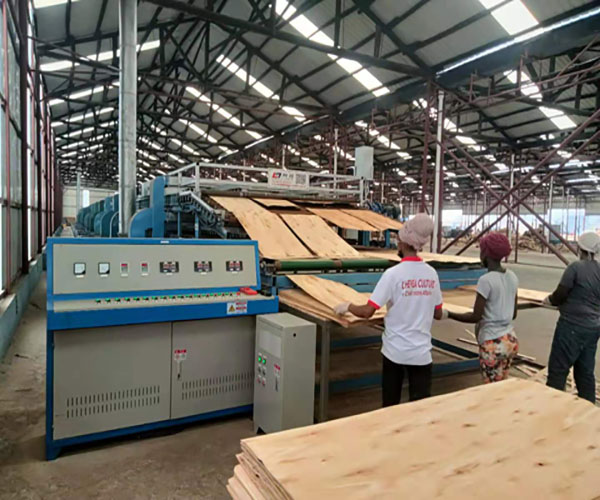
For a typical plywood mill relying on traditional sun-drying methods, labor costs can consume 15% to 25% of total production expenses. Workers must constantly turn veneers to prevent curling, monitor weather changes, and rush to cover stacks when rain threatens. This is not just expensive—it is unpredictable and inefficient.
The solution is not necessarily full automation, which requires massive capital investment. Instead, a semi-automatic wood veneer dryer combined with smart operational practices can deliver the "sweet spot" of low labor demand and high return on investment.
Strategy 1: Choose the Right Machine Configuration
The single most effective way to reduce labor is to select a veneer drying machine designed with manpower efficiency in mind. Here are the key features to look for:
Multi-Layer Static Drying
Traditional sun-drying requires workers to flip veneers every 2 to 3 hours. A static multi-layer dryer eliminates this entirely. Veneers are loaded once and remain in place throughout the drying cycle. No flipping, no handling, no extra labor. One worker can easily manage the loading and unloading while the machine runs unattended for 4 to 8 hours.
Automatic Conveying Systems
Adding roller conveyors or forklift-compatible loading racks to your wood veneer dryer setup reduces the need for manual carrying. Instead of two or three workers transferring wet veneer from the peeling line to the dryer, a single operator can feed the line using a forklift or conveyor belt. This simple upgrade can cut loading labor by 50% or more.
Smart Control Panels
Modern semi-automatic dryers come equipped with digital control screens that store drying recipes for different wood species—poplar, eucalyptus, pine, birch, and more. Once parameters are saved, switching from one species to another takes seconds. There is no need to rely on an experienced "master dryer" to manually adjust temperature and humidity settings. New operators can be trained in half a day rather than three days, reducing your dependence on specialized labor.
Automatic Exhaust and Humidity Control
A quality veneer drying machine includes sensors that trigger exhaust fans only when needed. This removes the need for a worker to constantly monitor moisture levels and manually open or close dampers. The machine manages itself, freeing up your staff for other tasks.
Strategy 2: Optimize Your Operational Workflow
Even the best equipment will not deliver maximum labor savings if your processes are disorganized. Here is how to structure your workflow for minimum manpower:
Batch Loading During Shift Changes
Schedule veneer loading to coincide with shift handovers, when the most workers are available. Use the combined manpower of two shifts for 30 minutes of concentrated loading, then let the dryer run unattended. This avoids dedicating a full-time worker to the drying section during regular hours.
Cross-Training and Task Combining
Train your drying machine operator to also perform incoming quality checks on wet veneer—verifying thickness, checking for defects, and ensuring clean material enters the wood veneer dryer. Equip them with a handheld moisture meter to spot-check finished veneer before it moves to the hot press. By combining roles, you effectively spread the labor cost of the drying section across multiple production functions.
Maximize Batch Size
Always run your veneer drying machine at full capacity. Loading a half-empty dryer means you are spending the same labor on loading and unloading but producing half the output. Full batches maximize output per man-hour and directly lower unit labor costs.
Strategy 3: Smart Factory Layout
The physical layout of your drying area has a direct impact on labor efficiency. The goal is to minimize material travel distance.
Direct Flow from Peeling to Drying
Position your wood veneer dryer as close as possible to the rotary peeling line. Wet veneer should move directly from the peeler to the dryer via conveyor or short forklift transfer. Every meter of unnecessary travel adds labor time and fatigue.
Seamless Handoff to Next Process
Similarly, arrange for dried veneer to exit directly into the gluing, laying-up, or pressing area. Avoid creating intermediate storage zones that require extra workers to move and manage materials. A continuous flow layout can reduce material-handling labor by 30% to 40%.
Over a year, the labor savings alone can amount to $13,000 to $17,000 per dryer—enough to cover a significant portion of the equipment investment. When you add in reduced rejection rates from uneven drying and the ability to produce regardless of weather, the total return becomes even more compelling.
Upgrade Path: From Semi-Automatic to Minimal Labor
For factories ready to take the next step, several optional add-ons can further reduce labor dependency:
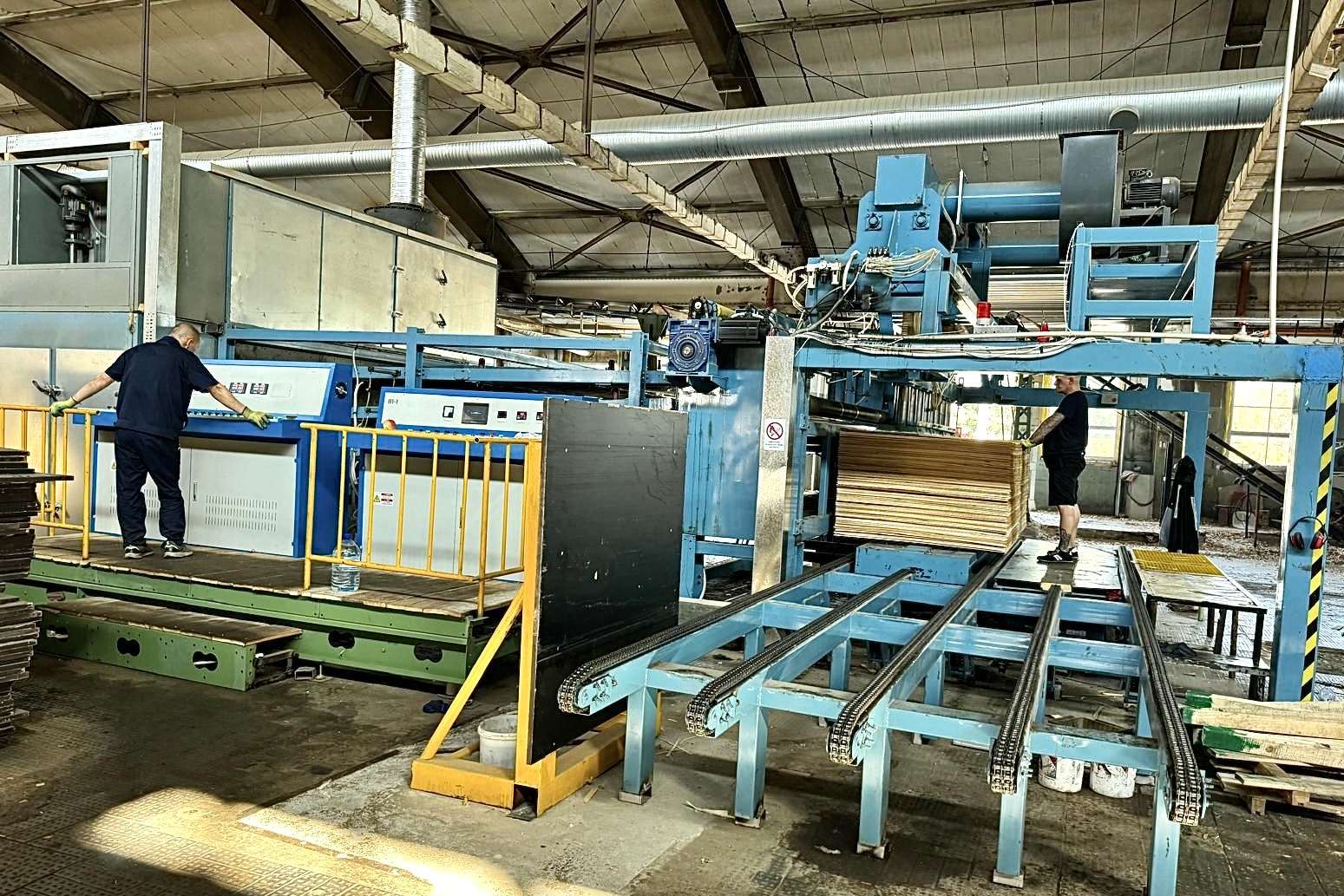
Auto-stacking systems that neatly pile dried veneer at the outlet, eliminating manual collection
Remote monitoring modules that send machine status to a smartphone, allowing supervisors to manage multiple dryers without walking the floor
Production line integration that synchronizes peeling speed with dryer capacity, creating a continuous flow that minimizes buffer handling
Each of these upgrades builds on the foundation of a well-designed veneer drying machine and moves your operation closer to true "lights-out" efficiency.
Conclusion: Labor Savings Start with the Right Mindset
Reducing labor costs in veneer drying is not about working your team harder. It is about working smarter—choosing equipment that does more with less human intervention, designing workflows that eliminate wasted motion, and laying out your factory to keep materials moving efficiently.
A semi-automatic wood veneer dryer is the cornerstone of this approach. It removes the backbreaking, weather-dependent work of sun-drying, stabilizes your output quality, and frees your workers to focus on higher-value tasks. For plywood mills, furniture panel producers, and LVL manufacturers alike, the message is clear: invest in the right drying technology, and your labor costs will take care of themselves.
If you are evaluating options for a new veneer drying machine or looking to optimize your current drying operation, our team can help. We provide not just equipment, but complete drying solutions tailored to your veneer species, production volume, and labor situation. Contact us today to discuss how we can help you cut costs and boost efficiency from day one.