

Birch Veneer: Steam, Peel, Dry
In the competitive world of wood panel manufacturing, birch veneer is prized for its pale, consistent color, fine grain, and smooth surface. It is a preferred material for high-end furniture, architectural panels, and premium-grade plywood. However, the journey from forest log to finished veneer involves more than just cutting and drying. A critical, yet often underestimated, step in the process is the pre-treatment of birch logs by steaming before they enter the rotary peeling stage and later, the veneer dryer.
This sequence—steaming, rotary peeling, and veneer drying—forms a tightly linked production chain. Each step influences the next, and skipping or shortening the steaming phase can compromise the entire operation. Birch is naturally a dense, moderately hard wood. Without steaming, its fibers resist cutting, leading to frequent veneer breakage, rough surfaces, and inconsistent thickness during rotary peeling. These defects not only increase waste but also place extra strain on downstream equipment, including the veneer dryer.
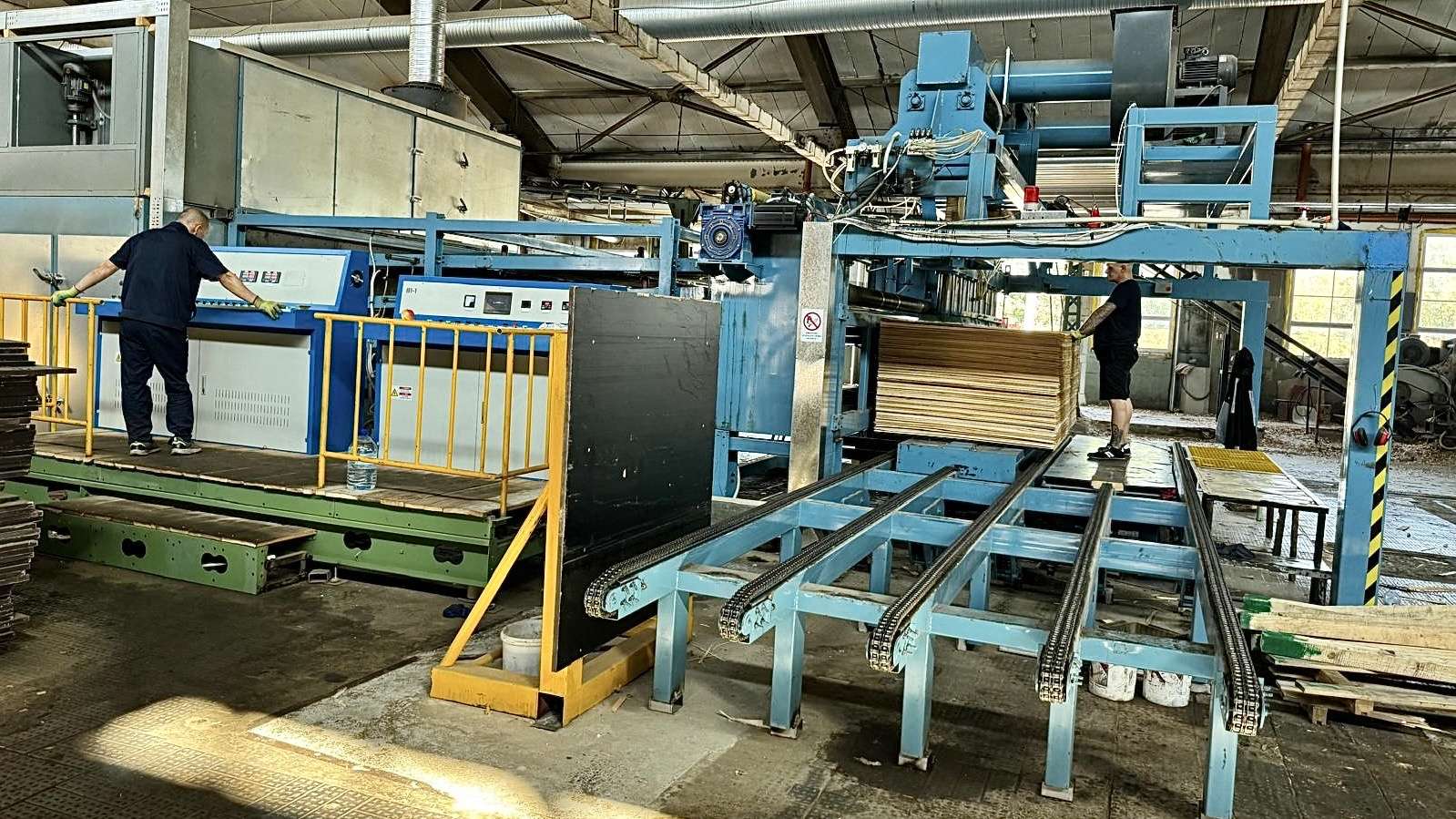
Steaming serves as a conditioning process. By exposing logs to saturated steam at carefully controlled temperatures and pressures, the cellular structure of the wood loosens. Moisture penetrates uniformly, raising the overall water content and softening lignin bonds within the fibers. This transformation allows the rotary peeler to slice through the log with minimal resistance, producing long, continuous veneer sheets that are smooth, intact, and uniform in thickness. The result is a dramatic drop in production rejects and a marked improvement in usable yield per log.
Another crucial advantage of steaming is the mitigation of internal stress caused by uneven moisture distribution. Freshly felled birch logs often have significant variations in moisture content between the core and outer layers. If such logs are rotary peeled without prior conditioning, the resulting green veneers will shrink inconsistently during drying. This can lead to visible warping, twisting, and dimensional instability—defects that render veneers unsuitable for precision applications. Steaming evens out the moisture gradient, so when the veneer enters the veneer dryer, moisture evaporates uniformly, preserving flatness and shape.
The steaming process also helps extract or redistribute certain natural wood constituents, such as resins, tannins, and water-soluble extractives. These substances, if left untreated, can migrate to the surface during drying and interfere with adhesion in later bonding processes. Resins may repel glue, leading to weak joints in plywood or laminated panels, while tannins can cause unsightly stains. By leaching some of these compounds out during steaming, manufacturers improve the compatibility of birch veneer with adhesives, ensuring stronger and cleaner bonding results.
From an energy efficiency standpoint, steaming pays dividends during the veneer drying phase. Green veneers that start with balanced moisture content require less aggressive drying conditions. The migration of water during veneer drying becomes predictable and even, reducing the likelihood of surface checking, end splits, or warped panels. In turn, the veneer dryer can operate at optimized temperature curves, saving fuel or electricity and extending the life of the drying infrastructure.
Operationally, steaming also contributes to higher line speeds and longer tool life. Rotary peeling of pre-conditioned birch logs requires less force, which means knives stay sharper for longer. Higher peeling speeds can be achieved without increasing the rate of blade changes or machine downtime. This boosts overall throughput and reduces per-unit production costs.
In a modern birch veneer production facility, the steaming stage is typically automated. Logs are loaded into horizontal or vertical retorts, where steam is introduced at temperatures between 60°C and 80°C for a period determined by log diameter and species characteristics. Once steaming is complete, the logs rest briefly to equalize moisture before being fed into the rotary peeler. The freshly peeled veneers are then conveyed through a series of temperature- and humidity-controlled zones in the veneer dryer, emerging with a stable moisture content of around 8–12%, ready for sorting, stacking, or immediate use in layup.
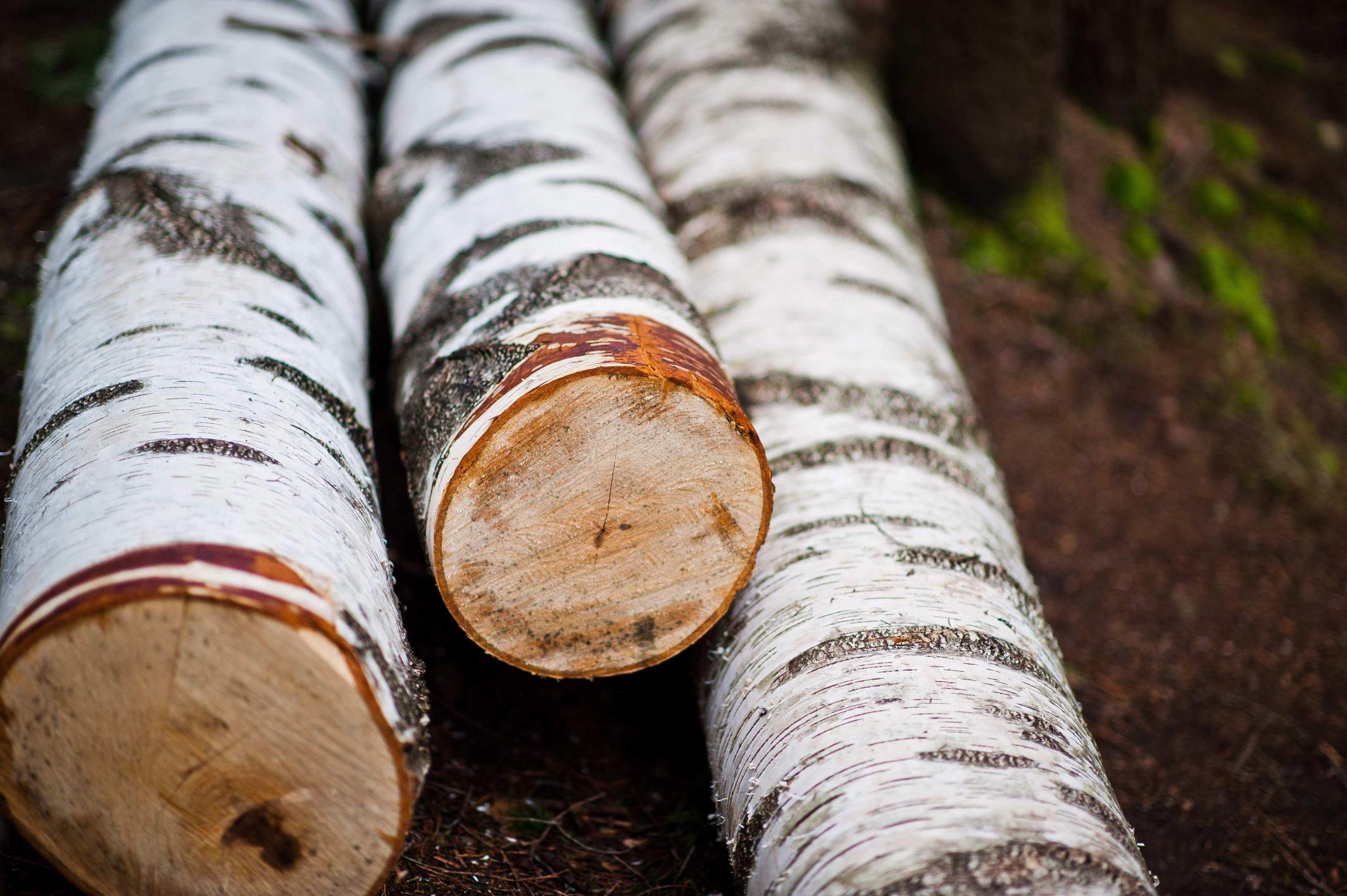
Quality control is integrated throughout this chain. Sensors monitor moisture gradients in steamed logs, vision systems detect surface defects after rotary peeling, and inline moisture meters track progress through the veneer dryer. This data-driven approach ensures that each batch of birch veneer meets the tight tolerances required by demanding markets.
In summary, steaming birch logs before rotary peeling and veneer drying is a strategic decision that enhances product quality, reduces waste, and optimizes energy use. It transforms difficult-to-machine logs into pliable, uniform veneers, setting the stage for efficient drying and reliable performance in final applications. For producers aiming to excel in the premium veneer segment, mastering this three-step sequence is not optional—it is essential.