

Why Automate Plywood Factories Now?
In an era defined by rapid technological advancement and shifting market demands, the global wood processing industry stands at a critical crossroads. For decades, the production of plywood relied heavily on manual labor and semi-automated mechanical processes. However, the landscape is changing dramatically. The question that every factory owner, production manager, and industry stakeholder must now confront is: Why are highly automated systems becoming not just an option, but an absolute necessity for plywood factories today?
The answer lies in a convergence of economic pressures, quality expectations, and the relentless pursuit of efficiency. Modern plywood making machines represent the pinnacle of this evolution. Unlike their predecessors, which required constant human intervention for loading, adjusting, and unloading, today’s advanced equipment integrates computer numerical control (CNC), hydraulic precision, and real-time monitoring systems. This shift is crucial because the margin for error in the timber industry has never been smaller, while the cost of raw materials and labor has never been higher.
One of the primary drivers behind the adoption of automation is the severe shortage of skilled labor. Traditional plywood production is labor-intensive. Tasks such as peeling veneers, clipping defects, and stacking finished sheets require a level of consistency that human workers struggle to maintain over long shifts. Fatigue leads to errors, and errors lead to waste. By implementing a fully integrated plywood production line, manufacturers can mitigate this risk. Automation ensures that every sheet is processed with the same precision, regardless of whether it is the first or the thousandth run of the day. This consistency is vital for maintaining the structural integrity and aesthetic appeal of the final product.
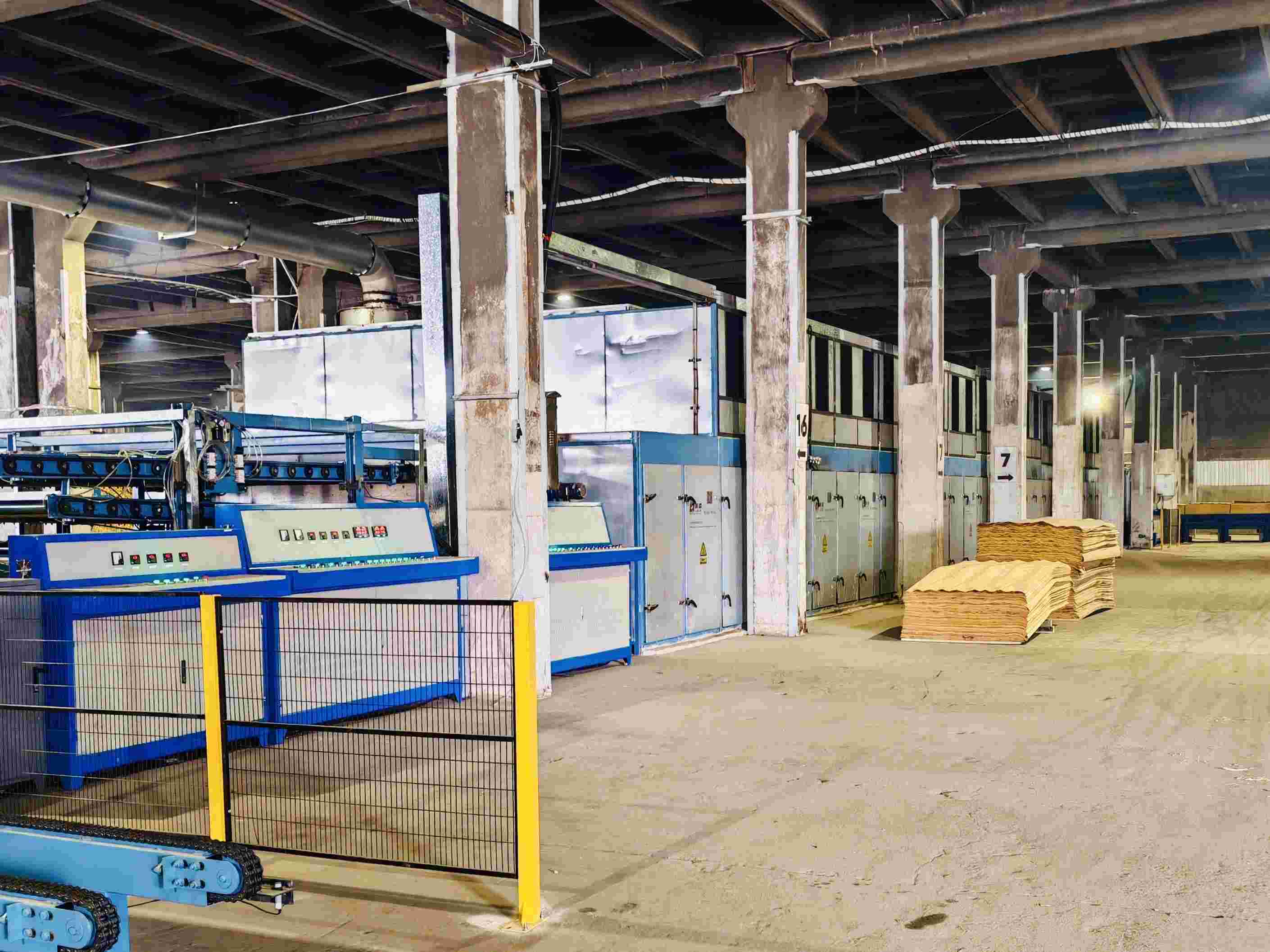
Furthermore, the economics of scale demand automation. In a competitive market, profit margins are often razor-thin. Manual processes are slow and prone to bottlenecks. For instance, the drying phase of plywood manufacturing is critical. Advanced plywood making machines now feature sophisticated roller dryers and mesh belt dryers equipped with intelligent temperature control systems. These systems optimize heat usage, reduce energy consumption, and ensure that veneers are dried to the exact moisture content required. This level of optimization is impossible to achieve manually and represents a significant cost saving over time.
Quality control is another area where automation proves indispensable. Modern production lines utilize laser scanning and sensor technologies to detect defects, measure thickness, and grade veneers automatically. When these systems are integrated into the plywood production line, they can make split-second decisions about whether a piece of veneer should be used for the face, the core, or discarded. This data-driven approach minimizes waste and maximizes yield from every log. Given the rising cost of timber, maximizing yield is no longer just good practice—it is essential for survival.
Moreover, safety regulations and worker welfare standards are becoming stricter worldwide. The heavy machinery involved in peeling and pressing wood poses significant risks. By automating dangerous tasks, factories protect their workforce and reduce the likelihood of costly accidents and legal liabilities. Robots and automated guided vehicles (AGVs) can handle heavy stacks of plywood without risking human injury, creating a safer working environment.
The integration of Industry 4.0 principles further amplifies the importance of automation. Modern plywood making machines are no longer isolated units; they are nodes in a connected network. Through centralized control systems, managers can monitor the entire plywood production line from a single dashboard. They can track output, identify inefficiencies, and even predict maintenance needs before a breakdown occurs. This predictive capability prevents costly downtime, ensuring that production schedules are met and customers receive their orders on time.
Environmental sustainability also plays a role. Automated systems are far more efficient in their use of resources. Precision cutting and optimized drying cycles reduce the carbon footprint of each sheet of plywood produced. As green building standards become more prevalent, manufacturers who can demonstrate lower energy consumption and minimal waste will have a distinct competitive advantage in the market.
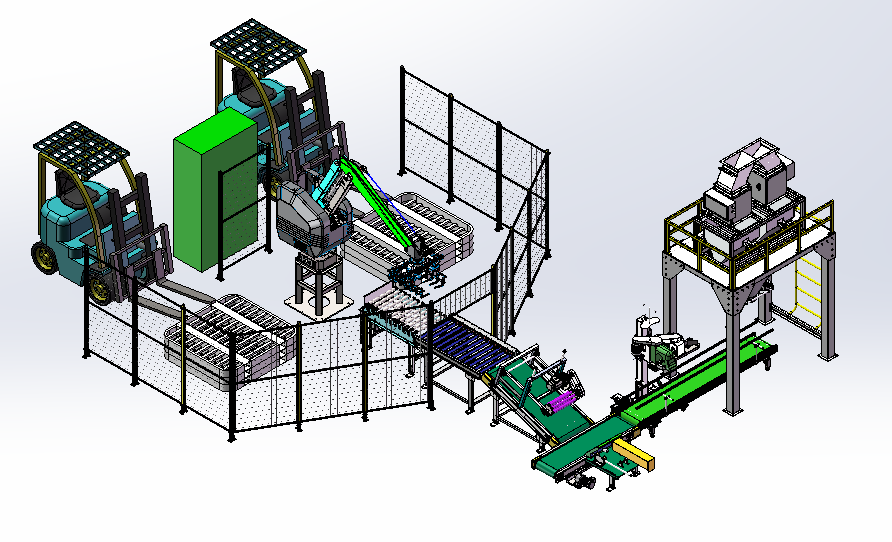
In conclusion, the transition to high automation in plywood factories is driven by a complex interplay of factors: labor shortages, economic pressures, quality demands, safety concerns, and environmental responsibility. The modern plywood production line is a symphony of synchronized plywood making machines working in harmony to deliver products that meet the highest standards of quality and efficiency. Factories that fail to embrace this technological shift risk being left behind, unable to compete on price, quality, or delivery times. In today’s market, automation is not just an upgrade; it is the foundation upon which the future of the plywood industry is being built.