

Which Veneer Dryer Fits Your Mill?
The global wood processing map is being redrawn. As market saturation tightens its grip on domestic manufacturers, a wave of ambitious entrepreneurs is taking their expertise overseas. Establishing a new rotary-cut veneer plant abroad presents immense opportunities, but success hinges on a series of critical equipment decisions. Among these, the choice of a veneer dryer stands as the linchpin of your entire operation. This machine is not merely a utility; it is the engine that drives product quality, dictates energy consumption, and defines your production rhythm. For a new mill, selecting the right veneer drying machine requires a deep dive into technology, capacity, and long-term operational strategy.
The first consideration is throughput alignment. A veneer dryer must be perfectly synchronized with the output of your peeling line. If the drying capacity lags behind the lathe, green wood veneers will pile up, leading to spoilage and production bottlenecks. Conversely, an oversized unit wastes capital and energy. Capacity is quantified by cubic meters per hour. For smaller ventures, a compact flip-type veneer drying machine offers an agile starting point. However, for operations scaling for export markets, large-scale roller dryers are essential. These robust systems ensure that the moisture is removed efficiently from thousands of square meters of wood veneers daily, maintaining a seamless flow from the log deck to the final sorting line.
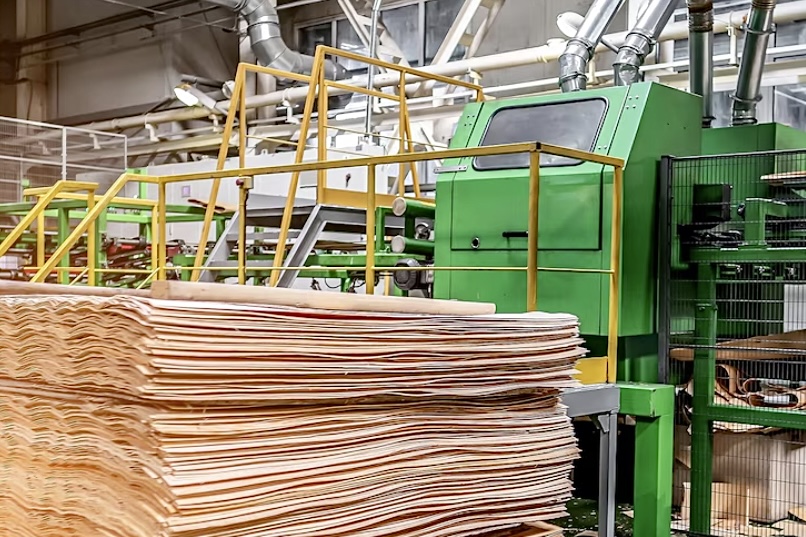
Energy efficiency is no longer optional; it is a primary driver of profitability. Modern veneer dryer designs focus heavily on thermal efficiency. Innovative systems now utilize axial fans instead of traditional centrifugal fans. This shift significantly reduces electrical load while increasing air volume and circulation, ensuring that heat reaches every surface of the wood veneers. Furthermore, advanced heat recovery systems capture waste heat from exhaust gases to preheat incoming air. When evaluating a veneer drying machine, scrutinize its fuel flexibility. Can it run on biomass, steam, or thermal oil? Choosing a machine that utilizes locally available, low-cost fuel sources can dramatically lower your cost per square meter of dried veneer, providing a crucial competitive edge in the global market.
Drying uniformity is the hallmark of quality. Uneven drying leads to "case hardening," where the surface dries too quickly while the core remains moist. This defect causes the wood veneers to warp, curl, and crack during cooling or storage. A high-quality veneer dryer employs sophisticated airflow dynamics and temperature zoning. Look for models featuring automated moisture meters that scan the exiting wood veneers and automatically adjust conveyor speed or temperature. This closed-loop control ensures that every sheet, regardless of minor variations in thickness, exits the veneer drying machine at the optimal moisture content—typically between 8% and 10%—ready for high-strength gluing.
Automation is the key to managing a lean workforce, particularly when operating in regions with varying skill levels. Modern veneer dryer systems are equipped with intuitive PLC (Programmable Logic Controller) interfaces. These systems allow operators to select pre-set drying "recipes" for different wood species, such as eucalyptus, birch, or poplar. Automation extends beyond controls; features like automatic belt tensioning and chain lubrication reduce manual maintenance. A smart veneer drying machine can also provide diagnostic alerts, predicting potential failures before they occur. This level of automation minimizes human error, reduces training time, and ensures that the quality of your wood veneers remains consistent around the clock.
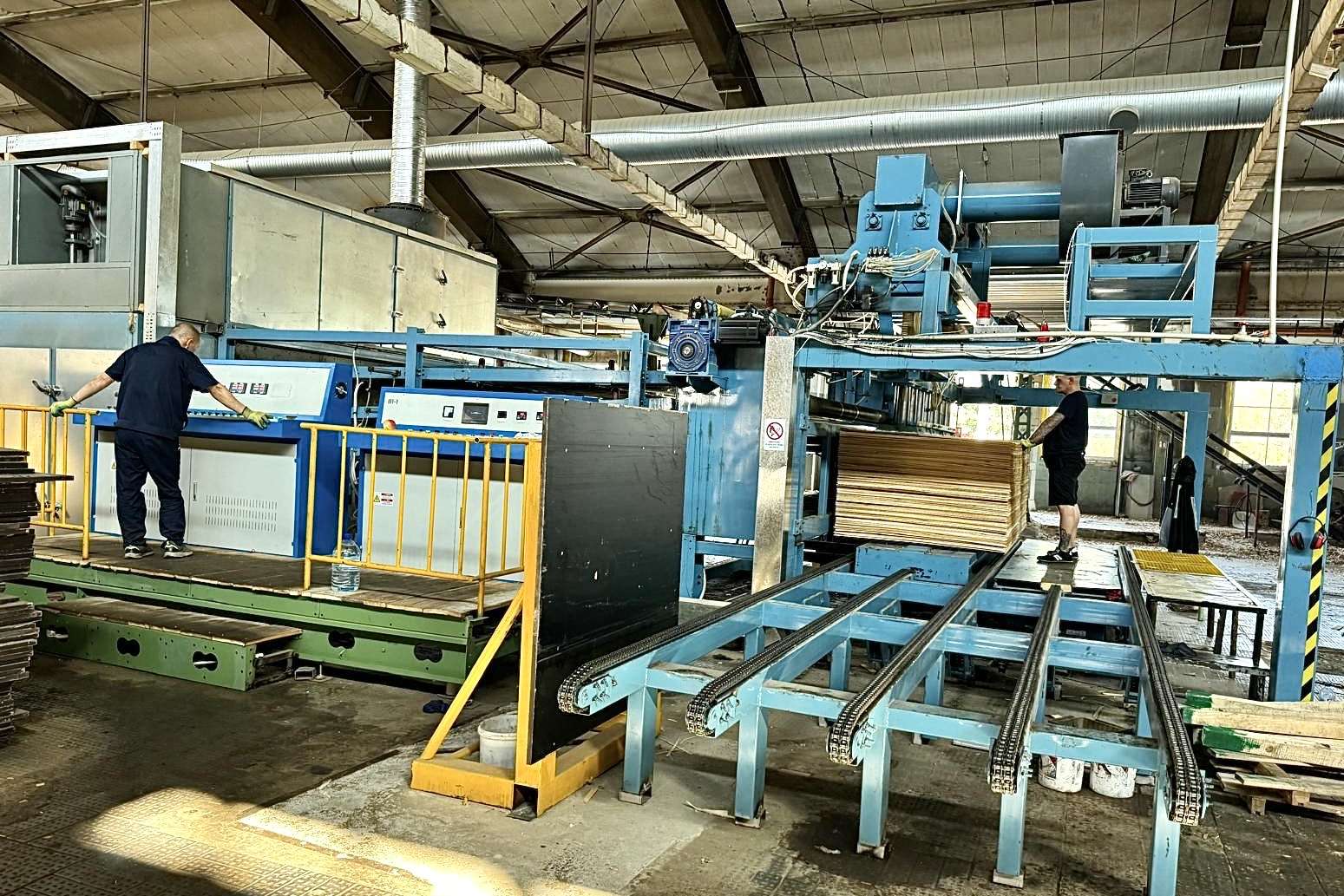
The importance of after-sales support cannot be overstated, especially for a new factory commissioning its first veneer dryer. Installation supervision, comprehensive operator training, and a guaranteed supply of spare parts are non-negotiable. A reputable manufacturer will offer a robust warranty and a responsive technical team capable of remote troubleshooting. Since a veneer drying machine operates under high heat and mechanical stress, having immediate access to expertise is vital. It ensures that routine maintenance is performed correctly and that any unexpected downtime is minimized, protecting your investment and ensuring the continuous production of high-quality wood veneers.
Finally, conducting a thorough Total Cost of Ownership (TCO) analysis is essential. The purchase price of a veneer dryer is just the tip of the iceberg. Factor in installation costs, energy consumption, anticipated maintenance expenses, and the machine’s expected lifespan. A cheaper veneer drying machine might seem attractive initially, but if it suffers from frequent breakdowns or consumes excessive fuel, it will prove far more expensive in the long run. Balance your initial capital expenditure against the projected operational savings and product quality improvements. Investing in a reliable, efficient veneer drying machine is an investment in the mill’s future stability and profitability.
In conclusion, the decision-making process for selecting a veneer dryer is complex but manageable with the right framework. By prioritizing capacity alignment, energy efficiency, drying uniformity, automation, reliable support, and a realistic cost analysis, you pave the way for success. The right veneer drying machine transforms raw, green wood veneers into a stable, valuable commodity. For the new overseas mill, this choice is foundational. It ensures that your venture not only survives the competitive global landscape but thrives, delivering premium wood veneers to customers with efficiency and consistency. Choose wisely, and your veneer dryer will be the heart of a prosperous operation for decades to come.