

Boosting Plywood Density: Key Strategies
In the competitive landscape of the wood-based panel industry, the density of plywood has emerged as a critical benchmark for quality. Higher density translates directly into superior mechanical properties, including enhanced screw-holding capacity, increased impact resistance, and improved overall structural integrity. For manufacturers aiming to produce premium-grade panels for flooring, heavy-duty packaging, or high-end furniture, understanding how to manipulate density during production is no longer optional—it is a necessity. The process requires a holistic approach, integrating precise material handling with optimized machinery settings across the entire plywood production line.
The foundation of a dense plywood panel begins long before the hot press closes. It starts with the selection of raw timber. Species selection is paramount; hardwoods such as birch, beech, and eucalyptus possess inherently higher specific gravities than softwoods like pine or poplar. Manufacturers targeting maximum density must prioritize these denser species. Following log selection, the preparation of the veneer is the next crucial step. Utilizing a high-precision plywood making machine for peeling ensures uniform thickness across the veneer sheets. Thickness variation creates microscopic air gaps within the panel structure, which act as voids that lower the overall density and compromise strength. Therefore, maintaining tight tolerances during the rotary cutting phase is the first technical step toward achieving a compact final product.
Moisture content management is another pivotal factor influencing density. Veneer must be dried to an optimal moisture level, typically between 8% and 12%. If the veneer is too wet, steam generated during hot pressing can create internal blisters or prevent the fibers from compressing fully. Conversely, overly dry veneer loses plasticity, making it resistant to compression and leading to poor adhesion. Advanced drying systems, such as the Shine Veneer Dryer, play an indispensable role here. By ensuring consistent moisture removal, these systems prepare the wood fibers to be reshaped and densified under high pressure. This synergy between drying technology and pressing cycles is a hallmark of modern, efficient manufacturing.
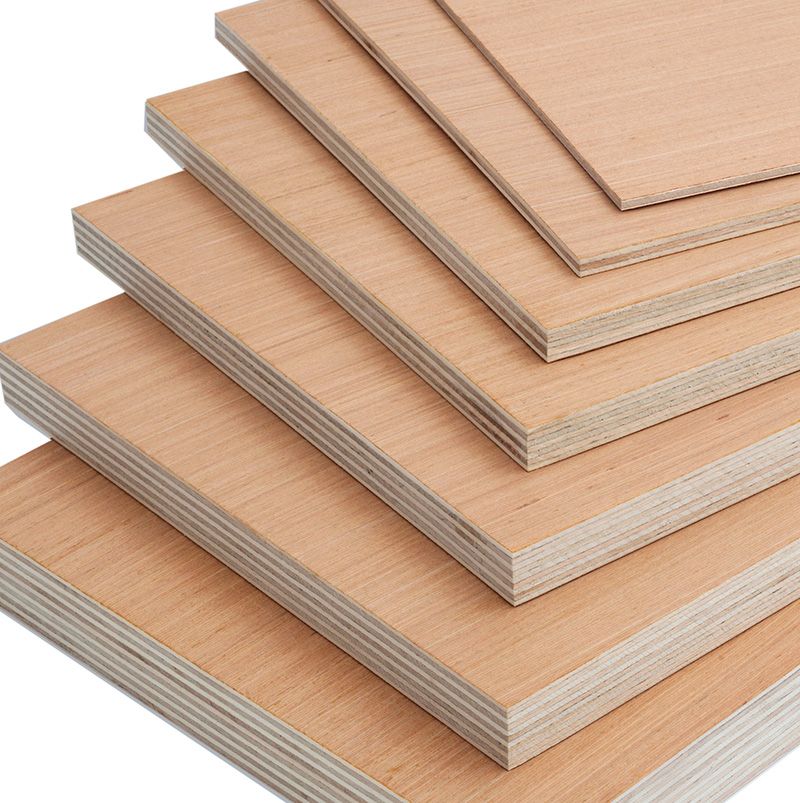
Within the plywood production line, the lay-up and gluing stations offer additional leverage. Increasing the glue spread rate slightly can contribute to a higher mass per unit volume. While the primary function of adhesive is bonding, the solid content of the glue adds to the panel's overall weight. However, this must be balanced carefully; excessive glue can lead to bleed-through or unnecessary cost increases. The arrangement of the veneers, or lay-up pattern, also matters. A symmetric structure is essential to prevent internal stress, but the strategic placement of thicker, denser core veneers can significantly boost the panel's average density.
The most critical phase for density enhancement occurs at the hot press. This is where the plywood making machine applies the force necessary to consolidate the stack of veneers into a single, solid entity. To increase density, operators must increase the specific pressure applied by the press platens. Higher pressure forces the wood fibers to interlock more tightly and reduces the volume of air pockets. This process, known as densification, is governed by the compression ratio. By increasing the pressure, the compression ratio rises, resulting in a denser panel. However, this requires careful calibration. Excessive pressure can crush the wood cells, leading to a brittle product with reduced elasticity.
Temperature and timing are equally important variables. A higher platen temperature accelerates the softening of lignin, the natural polymer in wood, allowing the fibers to deform and compact more easily under pressure. Faster closing speeds also help trap heat within the core, ensuring uniform plasticity throughout the thickness of the panel. Maintaining adequate pressure duration allows the wood to set in its compressed state once the adhesive cures.
Finally, regular maintenance of the plywood production line ensures consistent results. Worn-out press pads or uneven pressure distribution across the platens can lead to density gradients within a single sheet, causing warping or structural weaknesses. Routine calibration of the plywood making machine guarantees that the specified pressure is delivered accurately.
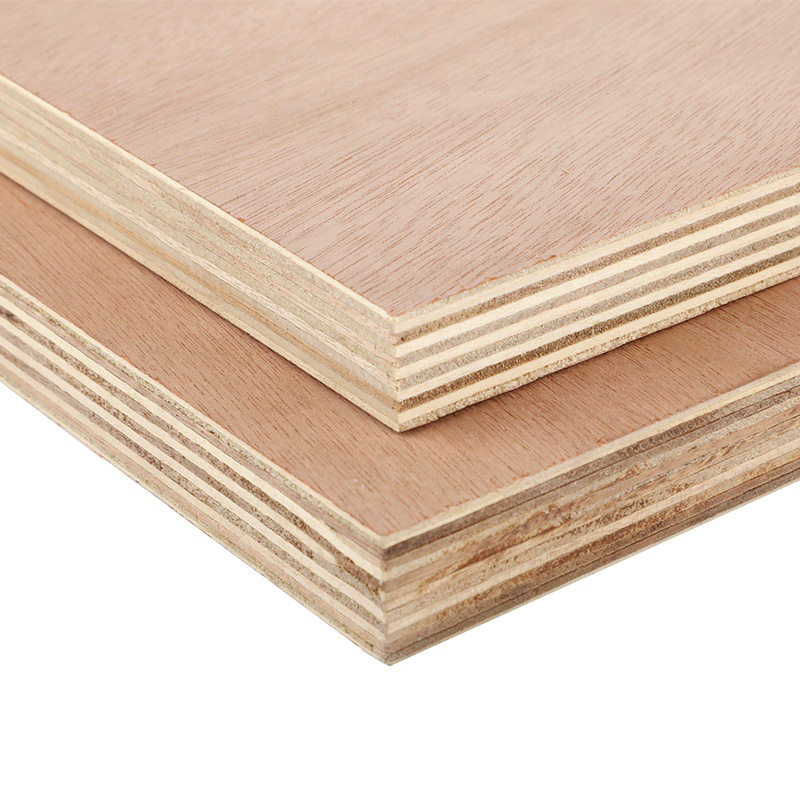
In conclusion, increasing plywood density is a multifaceted engineering challenge. It requires a combination of selecting high-density raw materials, ensuring precise veneer preparation, managing moisture content meticulously, and optimizing the hot-pressing parameters. By focusing on these areas, manufacturers can reliably produce high-density plywood that meets the rigorous demands of specialized markets, thereby commanding higher prices and building a reputation for quality. The integration of advanced drying and pressing technologies remains the cornerstone of this pursuit.