

Do Larger Veneer Dryers Really Save Money?
Does Size Really Lower Drying Costs?
In today’s cutthroat timber sector, every producer is hunting for ways to trim expenses while keeping board quality rock‑solid. One tactic stands out: crank up the throughput of your drying line. Shop floor supervisors everywhere have spotted the same pattern—the more cubic metres a veneer drying machine chews through, the cheaper each panel becomes. This isn’t just about owning a bulkier box of steel; it’s physics and factory economics teaming up. Knowing exactly why volume drives cost down helps plywood and LVL makers bet their capital on the right kit.
Keeping the Line Rolling: The Magic of Non‑Stop Runs
The biggest wallet drain in any wood veneer dryer is stopping and starting. Fire up a cold line and you’ll torch piles of fuel just warming the heat exchangers and rollers before a single wet sheet dries. Run that same beast flat‑out, non‑stop, and those warm‑up losses get sprinkled across mountains of output, making the energy bill per veneer almost vanish. Bulk runs = fewer startups = serious savings.
Thermal Wins You Can’t Ignore
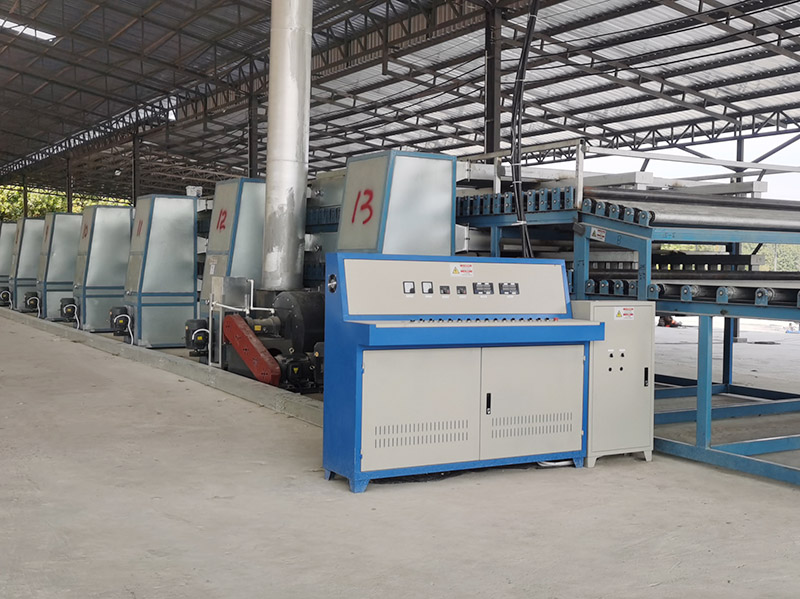
Big cabinets dry smarter, not just harder. A larger veneer drying machine packs longer heating tunnels and sharper airflow tricks. Because the outer shell doesn’t balloon at the same rate as the drying chamber inside, less precious heat leaks through the walls. More BTUs actually hit the wood, fewer drift into the workshop.
Scale also unlocks clever heat‑reclaim setups. Those systems snatch waste warmth from the exhaust and bounce it back to pre‑warm incoming air or chilly green veneers. On a pint‑sized unit the payback is pitiful, but on a high‑tonnage wood veneer dryer the numbers light up the accountant’s screen. Every recycled calorie pushes the cost per cubic metre even lower.
Doing More With the Same Crew
Labour is a heavy slice of the overhead pie. Automated loaders and unloaders need roughly the same operators whether they’re feeding 50 m³ or 150 m³ a day. Ramp the dial to max and suddenly your labour cost per panel nosedives. You’re not paying extra wages, yet output triples—that’s pure productivity gold.
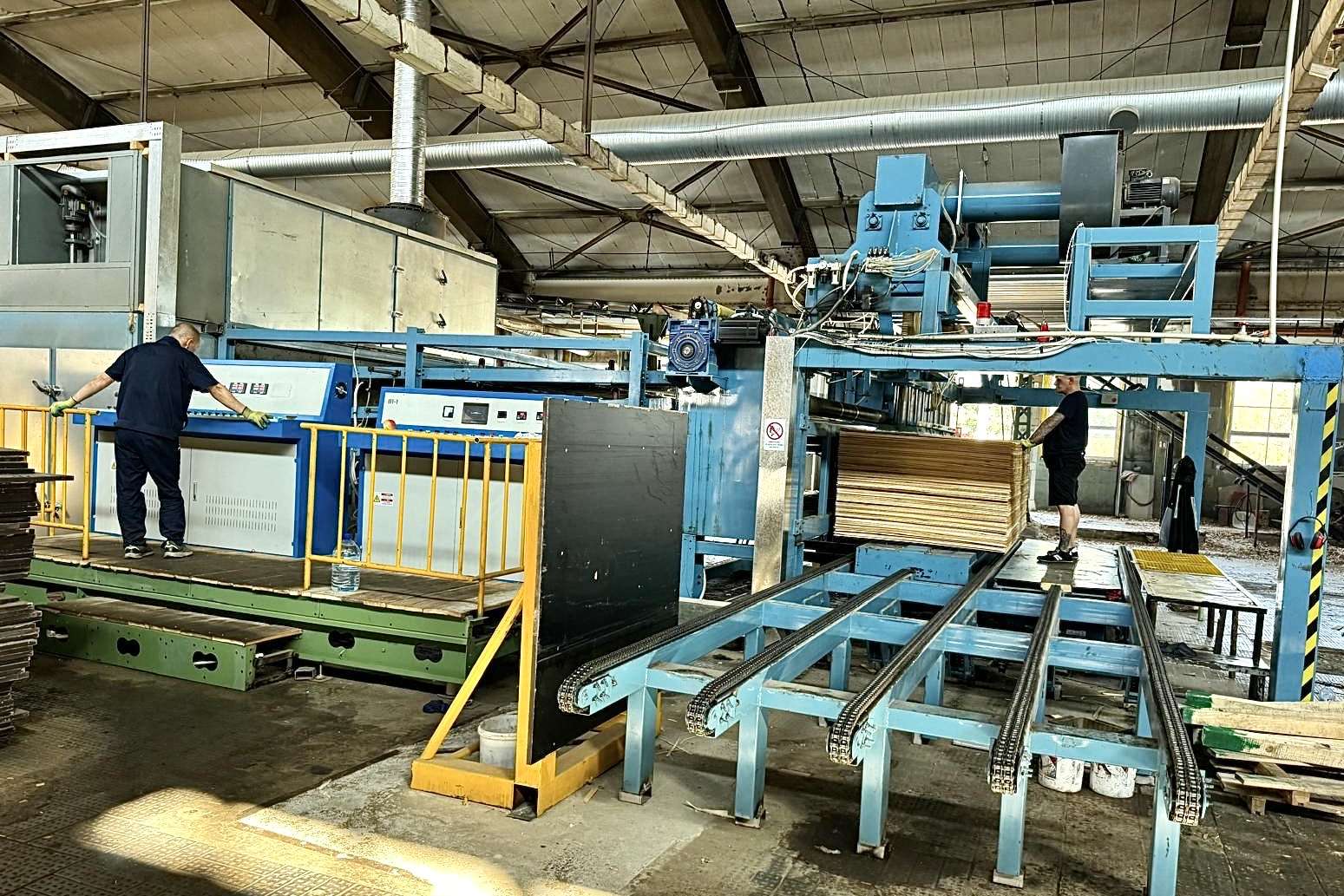
Running fat loads also greases the whole plant. When the dryer is the choke point, wet stacks pile up, soaking floors and inviting mould. Knock that bottleneck out with a bigger veneer drying machine and the whole conveyor—from lathe to hot press—flows smoothly. Less double‑handling, less sorting chaos, fewer extra hands on the floor.
Quality That Pays Dividends
Industrial‑scale wood veneer dryer lines usually ship with tighter climate controls. Steady temps and humidity mean every sheet lands at the same moisture target. Miss the mark and you’re staring at snapped, overdried scraps or spongy, under‑dried panels that blister in the press. Nail the consistency and rejection rates tumble, squeezing more saleable veneer out of every log—critical when raw timber is your biggest outgoing.
Trimming the Hidden Fat
Small setups love changeovers: tweak the dials for a new thickness, dump a trial batch, tweak again. Each swap bleeds material and power. A large, dedicated veneer drying machine locked onto one product for long hauls skips that waste entirely. Plus, high‑speed throughput means green veneers don’t linger in the staging area sweating and picking up mould, so you dodge re‑drying or chemical sprays. Fewer surprises, healthier margins.
CONCLUSION
Going big on drying isn’t just about bragging rights for the biggest machine on the floor. It’s a calculated play that taps thermal science, labour smarts, and scale economics to shave the true cost of every sheet. From slashing idle heat waste to boosting yield and smoothing the whole shop flow, a high‑capacity wood veneer dryer pays for itself in more ways than one. For any mill serious about staying ahead, sizing up the dryer isn’t an option—it’s the smartest move in town.