

How Veneer Dryer Moisture Control Prevents Plywood Defects
Precision Control in Veneer Dryers Critical to Preventing Defects in Plywood Production
In the intricate world of plywood manufacturing, where precision dictates quality and durability, the role of the veneer dryer has emerged as a cornerstone of production integrity. Industry experts warn that inadequate control over the moisture content of veneers post-drying can trigger a cascade of defects, including warping, delamination, and mold growth—issues that not only compromise product performance but also inflate costs and erode market trust. As global demand for high-quality plywood surges, particularly in construction and furniture sectors, the spotlight is increasingly on optimizing veneer drying processes to meet exacting standards.
The veneer dryer, a specialized equipment designed to reduce the moisture content of wood veneers to precise levels, serves as the first line of defense against downstream manufacturing failures. Freshly peeled veneers typically contain 60–80% moisture, far exceeding the 8–12% range required for stable plywood lamination. If the drying process fails to achieve this target with minimal deviation, the consequences are severe. For instance, veneers overdried beyond 12% moisture risk becoming brittle, leading to cracking during cutting or pressing. Conversely, underdried veneers (moisture above 12%) retain excess water, which vaporizes during hot-pressing, creating internal pressure that forces layers apart—a phenomenon known as delamination. Warping, another common defect, occurs when uneven moisture distribution across a veneer causes differential shrinkage, resulting in curved or twisted boards that are unfit for use.
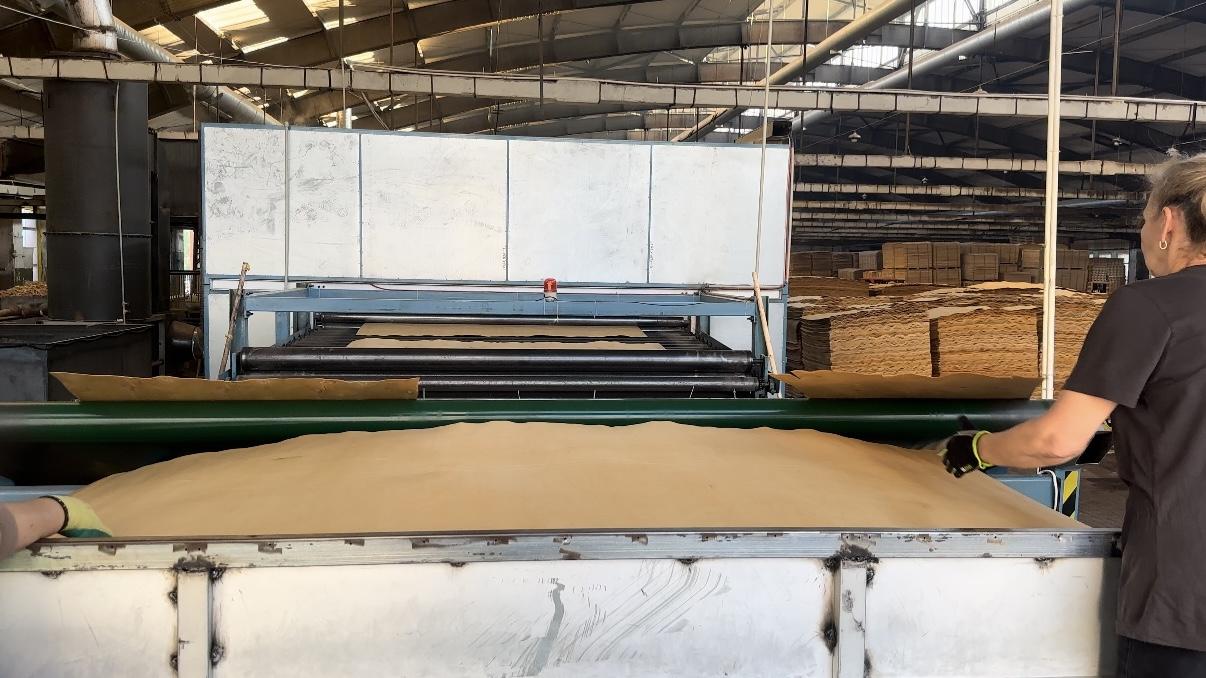
Mold infestation, often overlooked until it’s too late, poses an equally insidious threat. Veneers with moisture content above 14% create a fertile environment for fungal growth, especially in warm, humid storage conditions. Once mold takes hold, it not only discolors the wood but also weakens its structural integrity, rendering entire batches of plywood unsellable. In regions with high humidity, such as Southeast Asia or coastal markets, this risk is amplified, making precise moisture control in veneer dryers a non-negotiable requirement.
The root cause of these defects often lies in outdated or poorly calibrated drying systems. Traditional veneer dryers, reliant on manual adjustments or rudimentary sensors, struggle to maintain consistent temperature, airflow, and humidity levels throughout the drying chamber. This inconsistency leads to "hot spots" or "cold zones," where veneers in different sections dry at varying rates. Even minor fluctuations—say, a 2% deviation in moisture content—can accumulate across thousands of veneers, translating to significant yield losses. For a medium-sized plywood mill producing 10,000 cubic meters annually, such inefficiencies could result in 500–800 cubic meters of defective output, equating to tens of thousands of dollars in wasted materials and labor.
Advancements in technology, however, are offering solutions. Modern veneer dryers now integrate automated control systems with real-time moisture sensors, using algorithms to adjust heat and airflow dynamically. These systems, often paired with AI-driven predictive analytics, can detect subtle changes in veneer properties (such as thickness or species) and adapt drying parameters accordingly. For example, a sensor detecting higher initial moisture in oak veneers compared to pine might automatically lower the drying temperature and extend cycle time, ensuring uniform results. Such precision not only minimizes defects but also reduces energy consumption by up to 20%, aligning with sustainability goals.
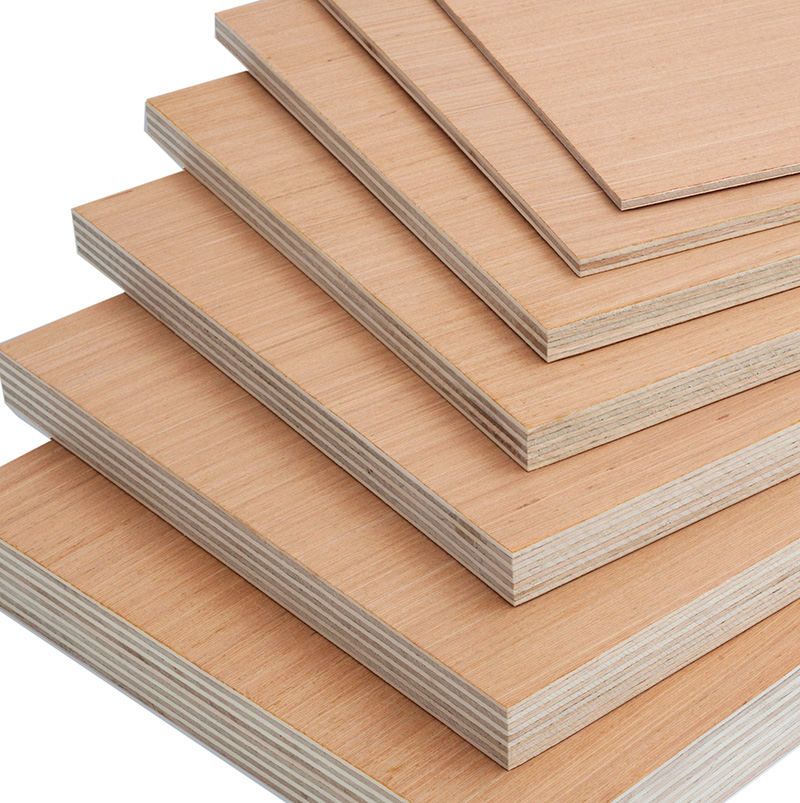
Industry leaders emphasize that investing in advanced veneer dryers is no longer a luxury but a necessity. "In today’s competitive market, buyers scrutinize plywood quality down to the microscopic level," notes Zhang Wei, technical director at a leading plywood manufacturer in Jiangsu Province. "A single shipment of warped panels can damage a supplier’s reputation irreparably. Controlling moisture content isn’t just about avoiding defects—it’s about building trust."
As the industry evolves, collaboration between equipment manufacturers and plywood producers is fostering innovation. Research institutions are exploring hybrid drying technologies that combine conventional hot air with infrared or microwave assistance, promising even faster and more uniform drying. Meanwhile, stricter international quality standards, such as those set by the International Organization for Standardization (ISO), are pushing mills to prioritize moisture control as a core competency.
For plywood manufacturers, the message is clear: mastering the veneer dryer is not merely a technical challenge but a strategic imperative. By embracing precision, automation, and continuous improvement, they can transform a potential vulnerability into a competitive advantage—delivering products that stand the test of time, both structurally and economically.
Moisture Control Saves Plywood
Precise veneer dryer moisture control stops warping, delamination, and mold in plywood, ensuring quality and reducing waste.