

The Essential Veneer Dryer Maintenance
In the wood processing industry, a veneer dryer is far more than a simple drying machine—it is a complex, large-scale mechanical system integrating multiple subsystems: strong and weak electrical circuits, intricate mechanical transmissions, air compressors with compressed air pipelines, hydraulic stations and pipelines, hot air circulation systems, high-temperature flue gas pipelines, circulating water cooling systems, and intelligent temperature control systems. Such complexity makes its service life inseparable from daily maintenance. Neglecting upkeep can lead to unexpected downtime, reduced efficiency, and costly repairs. For Shine Machinery’s veneer dryers—renowned for their durability and precision—adherence to a rigorous maintenance protocol is the key to maximizing performance and longevity. This article outlines the essential daily maintenance steps, lubrication rules, and schedules to keep your Shine veneer dryer operating at peak efficiency.
Why Maintenance Matters for Shine Veneer Dryers
Shine veneer dryers are engineered for high-volume production, handling everything from thin hardwood veneers to thick softwood sheets. However, their multi-system design exposes them to wear and tear: vibrating components loosen fasteners, high temperatures degrade lubricants, and debris accumulates in critical areas. Without proactive care, minor issues—like a misaligned roller or clogged filter—can escalate into major failures, halting production and increasing operational costs. Regular maintenance not only prevents breakdowns but also ensures consistent drying quality, reduces energy consumption, and extends the dryer’s lifespan by years.
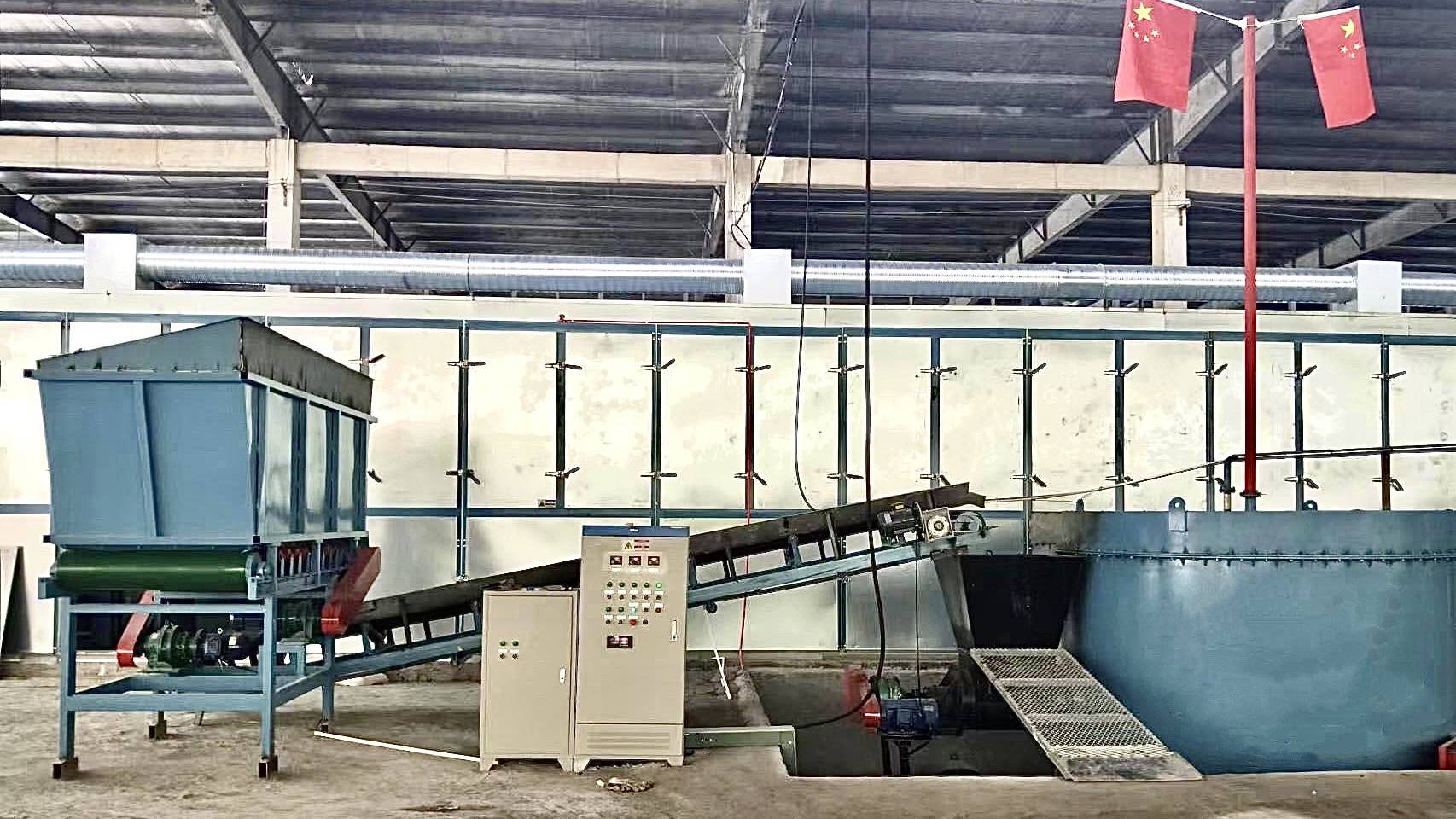
Daily Maintenance: Three Critical Phases
Shine recommends a structured maintenance routine divided into pre-operation, during-operation, and post-operation phases. Each phase targets specific risks and ensures the dryer runs smoothly.
Phase 1: Pre-Operation Maintenance
Before starting the dryer each day, perform these checks to identify potential issues early:
Inspect Fasteners and Mechanical Integrity
Check all bolts, nuts, and screws for looseness—vibration from rollers and fans can gradually displace fasteners. Ensure rotating parts (e.g., rollers, fans) are aligned and not偏离 (deviated) from their original positions. Examine wires and cables for damage, fraying, or tension (avoid pulling cables taut, which can cause insulation breaks).Clean Work Area Debris
Remove wood chips, bark, and broken veneer pieces from the loading/unloading zones and around the biomass burner (if equipped). Debris can obstruct airflow, interfere with sensors, or pose fire hazards.Verify Electrical and Lubrication Status
Confirm all circuit breakers in the electrical cabinet are in the correct position (on/off as per startup procedures). Lubricate designated parts (e.g., roller bearings, chains) with the recommended grease/oil to reduce friction.Conduct a No-Load Test Run
Start the dryer empty (“空车试运转”) and run it at low speed. Gradually increase speed as the internal temperature rises, monitoring for unusual noises or vibrations. Only proceed to load veneer once the test confirms normal operation.
Phase 2: During-Operation Maintenance
While the dryer is running, vigilance is critical to catch anomalies in real time:
Follow Operating Procedures Strictly
Adhere to Shine’s guidelines for temperature settings, feeding rates, and biomass burner operation (if applicable). Avoid overloading the dryer, as this strains motors and heating elements.Monitor Component Performance
Watch for abnormal sounds (e.g., grinding, knocking) from rollers, gears, or fans—these signal misalignment or wear. Check the control panel regularly for temperature readings, motor frequency, and voltage/current indicators. Sudden spikes may indicate electrical faults or mechanical blockages.Perform Timed Inspections
Every 2–3 hours, conduct a walkthrough to:
Check for jammed veneer (“卡板”) in the rollers or conveyors.
Verify circulating water temperature (ensure cooling efficiency).
Confirm the dryer’s internal temperature matches the setpoint (adjust via the intelligent control system if needed).
Phase 3: Post-Operation Maintenance
End-of-day cleanup prevents debris buildup and prepares the dryer for the next run:
Thoroughly Clean Work Zones
Sweep all wood chips and dust from the loading/unloading areas. Use compressed air to blow debris from hard-to-reach spots (e.g., under rollers, around sensors).Wipe Down Exterior Surfaces
Remove water stains, oil spills, and dust from the dryer’s body, control panel, and access doors. Pay special attention to electrical enclosures to prevent moisture ingress.Clean the Biomass Burner (If Equipped)
Empty the burner’s grate of ash and unburned residue. A clogged grate reduces combustion efficiency and increases smoke emissions. Dispose of ash in a designated container away from flammable materials.
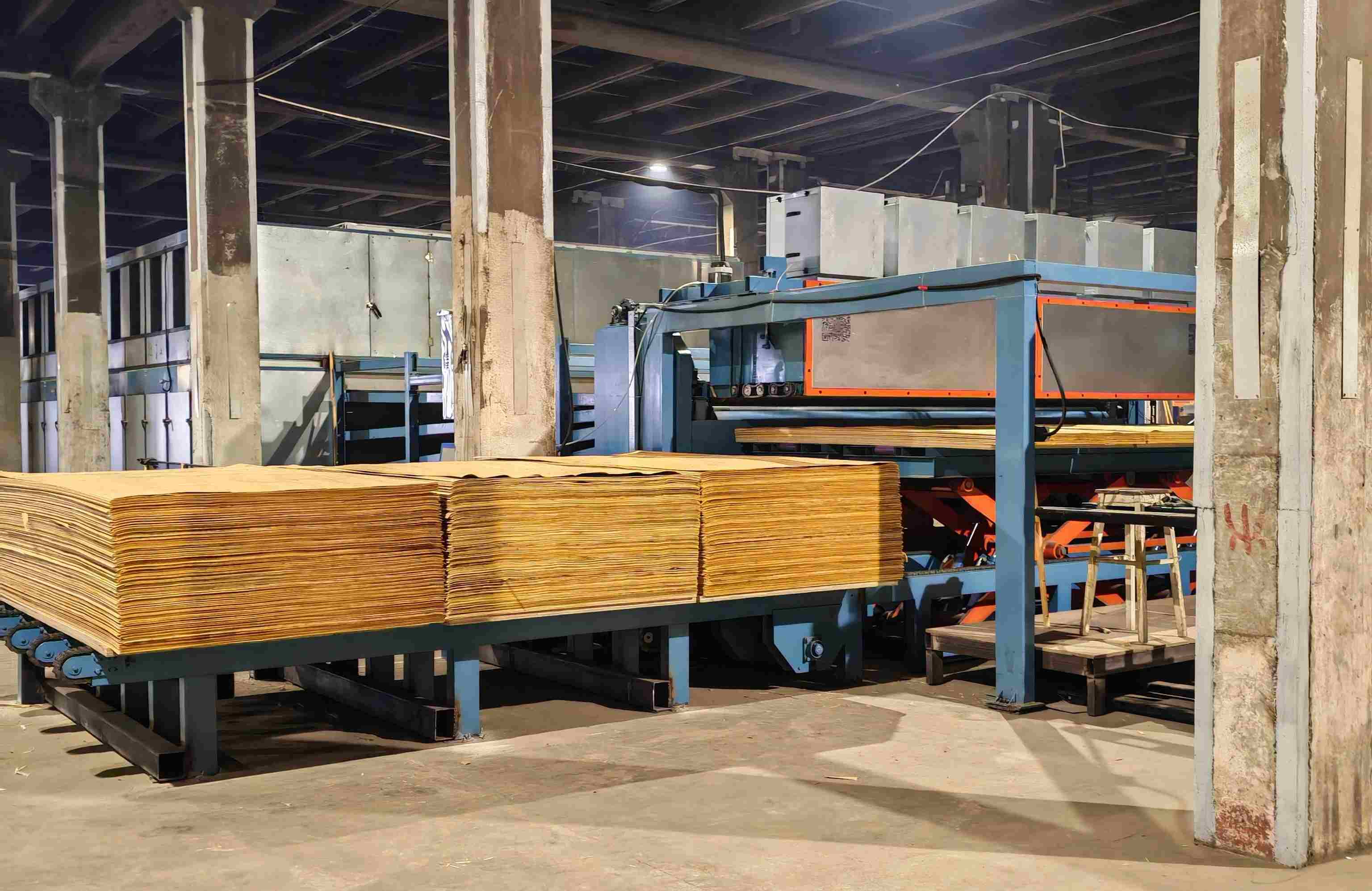
Maintenance Schedule and Lubrication Rules
Beyond daily checks, Shine veneer dryers require periodic maintenance based on component type and usage intensity. Proper lubrication is particularly critical—using the wrong grease or overfilling can damage bearings.
Lubrication Guidelines
General Rule: Never lubricate moving parts while the dryer is running (“禁止在机械运动中注油”)—this risks entanglement and injury. Always shut down and lockout/tagout the machine first.
Reducer Gear Oil
Use 220# gear oil (medium-viscosity for heavy-duty applications).
For reducers with an oil level window: Fill to 2/3 of the window.
For those without a window: Fill to 1/3 of the gear height.
Bearing Greasing Rules
Sealed bearings: Apply grease to 20%–30% of the bearing cavity.
Low-speed bearings (<100 RPM): Fill the cavity completely.
Medium-speed bearings (100–1000 RPM): Fill 1/2–1/3 of the cavity.
High-speed bearings (>1000 RPM): Do not exceed 1/3 of the cavity (excess grease causes overheating).
Open bearings: Apply grease to 30%–50% of the cavity.
High-Temperature Areas
Use high-temperature grease (rated for 150°C+) on components near the biomass burner, heating elements, or flue gas pipes. If unavailable temporarily, use regular grease but replace it with high-temperature grease ASAP.
Component-Specific Maintenance Cycles
Reducer: First maintenance after 6 months (if running 10 hrs/day) or 3 months (20 hrs/day); subsequent maintenance annually.
Motor bearings: Inspect and lubricate every 1–2 years (adjust based on runtime and noise).
Exposed friction parts (gears, chains): Lubricate weekly (or sooner if metal-on-metal contact is heard).
Roller/roller bearings: Monthly lubrication; biweekly if in high-temperature zones (near the burner).
Biomass burner grate: Lubricate every 12 hours of operation (use minimal grease to avoid clogging).
The Impact of Diligent Maintenance
A Shine customer in Southeast Asia operates a 4-layer, 50-meter veneer dryer 18 hours/day. After implementing this maintenance protocol:
Downtime decreased by 40% (from 15 days/year to 9 days/year).
Energy consumption dropped by 18% due to improved heat retention and reduced friction.
The dryer’s service life is projected to extend from 10 to 15 years.
Conclusion
Shine veneer dryers are built to deliver reliable, high-efficiency drying—but their performance depends on your commitment to maintenance. By following the pre-operation, during-operation, and post-operation steps outlined above, adhering to lubrication rules, and respecting maintenance cycles, you can minimize downtime, reduce costs, and ensure consistent veneer quality. Remember: a well-maintained dryer is not just a machine—it is a long-term investment in your wood processing business. For Shine customers, this guide is more than advice—it is a roadmap to maximizing the value of your equipment.