

Why the Veneer Dryer Is Indispensable
The global wood panel sector is increasingly focused on stable quality, waste reduction and automated workflow, and industry insiders agree that the veneer dryer stands as one of the most vital pieces of equipment across the whole production chain. Sitting right after veneer peeling, it bridges raw log processing and downstream panel manufacturing, and its performance directly decides the yield and commercial value of hard wood veneers, plywood, LVL and decorative wood panels shipped to furniture, construction and formwork markets worldwide.
Fresh sheets from veneer peeling carry extremely high moisture. Without timely and controlled drying, hard wood veneers quickly suffer from mould infection, discoloration, warping, cracking and fibre degradation. Even a short waiting period can turn premium raw materials into low-grade scraps, causing heavy financial losses for mills. A well-tuned veneer dryer stabilises moisture content within the target 8–12% range evenly across every sheet. This precise moisture control is the foundation of reliable glue spreading and hot pressing. Under-dried veneers trap steam inside panels and trigger blistering or delamination during pressing; over-dried veneers become brittle and weaken adhesive bonding, raising reject rates sharply.
Beyond quality control, the veneer dryer determines line synchronisation. Modern factories run continuous veneer peeling lines with high hourly output. If drying capacity falls behind peeling speed, wet veneers pile up on the workshop floor, block logistics and break the rhythm of automatic lay-up and pressing. Advanced roller-type veneer dryers match high peeling throughput, deliver flat veneer surfaces and cut manual sorting work significantly. Many African and Southeast Asian plywood producers report that upgrading their veneer dryers has lifted high-grade hard wood veneer yield and reduced overall energy consumption per cubic metre.
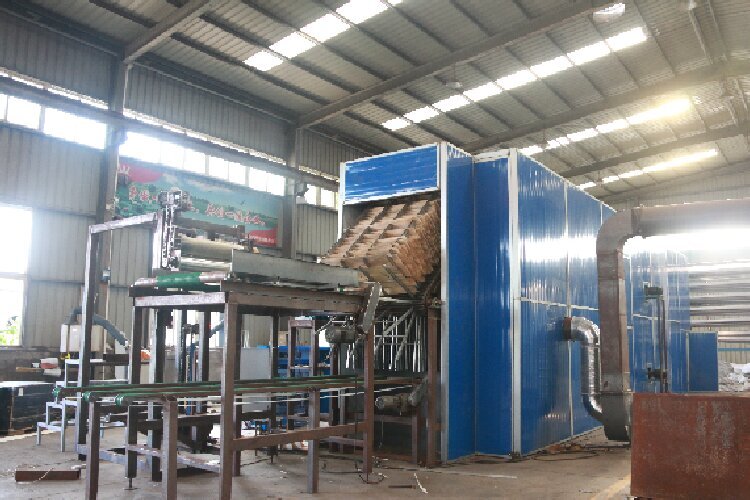
Sustainability is another core reason for its growing importance. Timber resources, especially high-quality hardwood logs, are becoming tighter. An efficient veneer dryer maximises usable output from each log, lowers material waste and helps manufacturers meet eco-friendly sourcing standards required by international buyers. Optimised airflow and heat recovery designs also curb fuel and power use, easing carbon pressure for export-oriented wood plants.
Equipment specialists note that many production bottlenecks blamed on peeling or pressing actually originate from unstable drying. For mills targeting premium hard wood veneer exports, investing in a dependable veneer dryer is not optional but strategic. As plywood and decorative veneer demand keeps rising in emerging markets, the veneer dryer will continue to serve as the core guarantee for consistent product quality, smooth automated production and healthier profit margins for veneer processors.