

Ceramic Fiber Boosts Veneer Dryer Efficiency
In the competitive world of wood processing, energy efficiency and product quality are the two factors that determine profitability. For manufacturers operating rotary veneer lathes and peeling lines, the drying section is often the largest consumer of thermal energy. Recognizing this challenge, Shine Machinery has adopted high-temperature ceramic fiber blanket (aluminum silicate fiber) as the core insulation material in the access doors of its wood veneer dryer machines. This technical choice is not merely a minor specification—it directly influences fuel consumption, drying uniformity, and equipment service life.
A veneer drying machine typically operates with hot air temperatures ranging from 120°C to 180°C, depending on the drying method and veneer thickness. The main drying chamber is well insulated, but the access doors—used for maintenance, cleaning, and observation—are often the weakest points in the thermal envelope. Without proper insulation, these doors can account for up to 15% to 20% of total heat loss. In a high-volume plywood production line, such losses translate into significant wasted energy and reduced production efficiency.
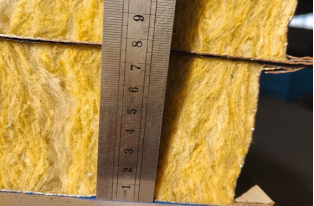
Shine’s decision to use ceramic fiber blanket addresses this issue at its source. Ceramic fiber, also known as aluminum silicate wool, is a lightweight refractory material made from high-purity alumina and silica. It is produced by melting the raw materials at temperatures above 2000°C and then blowing or spinning them into long, intertwined fibers. The result is a flexible, needled blanket with extremely low thermal conductivity—typically between 0.03 and 0.06 W/(m·K) at operating temperatures. This performance is maintained even at continuous temperatures of 950°C to 1260°C, far exceeding the requirements of veneer drying.
Compared to traditional rock wool or glass wool, ceramic fiber offers several distinct advantages. First, it is much lighter. Conventional rock wool insulation can weigh 100–200 kg/m³, while ceramic fiber blanket weighs only about 80–100 kg/m³. This reduces the structural load on the dryer doors and makes installation easier. Second, ceramic fiber has excellent thermal shock resistance. A veneer drying machine undergoes frequent heating and cooling cycles during startup, shutdown, and production adjustments. Rock wool can crack or settle over time, creating cold spots, but ceramic fiber remains stable and flexible, maintaining its original shape and insulating properties.
Another critical benefit is the reduction of surface temperature. On a poorly insulated dryer door, the outer metal panel can reach 40°C or higher, creating a burn risk for operators and an uncomfortable working environment. By installing a thick layer of ceramic fiber blanket inside the door, Shine ensures that the outer surface temperature remains close to ambient. This not only improves safety but also reduces the load on factory ventilation and cooling systems.
Energy savings are the most tangible advantage. In a typical plywood mill, the drying line can consume several cubic meters of natural gas or hundreds of liters of thermal oil per day. By minimizing heat loss through the doors, the burner or heat exchanger does not need to work as hard to maintain the set temperature. Field data from Shine customers indicates that effective door insulation can reduce fuel consumption by 10% to 15%. Over the course of a year, this saving alone can cover the additional cost of the premium insulation material many times over.
However, Shine engineers also emphasize that ceramic fiber is inherently hydrophilic. In the humid environment of a veneer dryer, where moisture evaporates from the veneer and condenses on cooler surfaces, the insulation layer can absorb water if not properly protected. Wet insulation loses its effectiveness dramatically—water has a thermal conductivity more than 20 times that of dry air. To solve this, Shine equips its dryer doors with a vapor barrier and sealed outer cladding, usually made of galvanized steel or stainless steel. This prevents moisture from penetrating the ceramic fiber, ensuring long-term performance.
The choice of insulation also affects drying quality. Uneven temperature distribution inside the drying chamber leads to veneer with inconsistent moisture content. Veneer that is too dry becomes brittle and breaks during handling; veneer that is too wet causes bonding problems in the glue spreading and hot pressing stages. By keeping the door areas thermally stable, the ceramic fiber insulation helps maintain a uniform temperature profile across the entire width of the dryer. This consistency is crucial for plywood manufacturers aiming for high-grade products and minimal rejection rates.
Maintenance and durability are additional considerations. The access doors on a veneer drying machine are opened several times per shift for cleaning and inspection. A robust insulation system must withstand mechanical impact and vibration. Shine’s ceramic fiber blankets are needled for high mechanical strength and are compressed between the inner and outer door panels, preventing sagging or compaction. The outer cladding protects against accidental knocks from tools or forklifts, while the inner surface resists the erosive flow of hot air and vapor.
From a safety perspective, the use of ceramic fiber aligns with modern industrial standards. The material is non-combustible and does not release toxic fumes under normal operating conditions. When combined with high-temperature resistant seals, the insulated doors prevent the escape of hot air and dust, improving the overall working environment. Shine also provides clear guidelines for maintenance personnel, including the use of appropriate protective equipment when handling ceramic fiber, as the fine fibers can cause skin irritation during installation or repair.
For international buyers, these technical details matter. When sourcing a veneer drying machine from China or any other manufacturing hub, customers often focus on the obvious specifications: drying capacity, number of decks, burner type, and automation level. Yet the insulation quality is a hidden factor that separates a reliable machine from a problematic one. Shine’s transparent communication about its use of ceramic fiber blanket demonstrates a commitment to engineering excellence and customer ROI.
The company’s technical team is available to assist clients in selecting the optimal door configuration based on the specific operating temperature, veneer thickness, and production volume. Whether the customer requires a roller-type dryer for thick face veneers or a mesh-type dryer for thin core veneers, the insulation system is tailored to maintain thermal efficiency. Spare parts, including ceramic fiber blankets and replacement seals, are stocked for quick delivery, ensuring minimal downtime.
In conclusion, the insulation material in the access doors of a wood veneer dryer is far more than a minor component—it is a critical determinant of energy consumption, drying quality, and operator safety. Shine’s adoption of high-temperature ceramic fiber blanket represents a forward-thinking approach that delivers measurable benefits to plywood producers worldwide. As energy costs continue to rise and environmental regulations become stricter, such innovations will play an increasingly vital role in the wood processing industry. For more technical details or to request a customized proposal, customers are encouraged to contact Shine Machinery directly.