

Is Mesh Drying Veneer's Future?
In the production of high-quality plywood and decorative panels, the drying of thin face veneer is a critical step that directly impacts the final product's appearance and value. The mesh belt veneer dryer, also known as a face veneer dryer, has become the industry-preferred solution for handling delicate sheets, particularly those under 0.8mm in thickness. Unlike conventional roller dryers that can cause marking or distortion, the mesh belt system offers a gentle, continuous process ideal for preserving the integrity of expensive decorative woods.
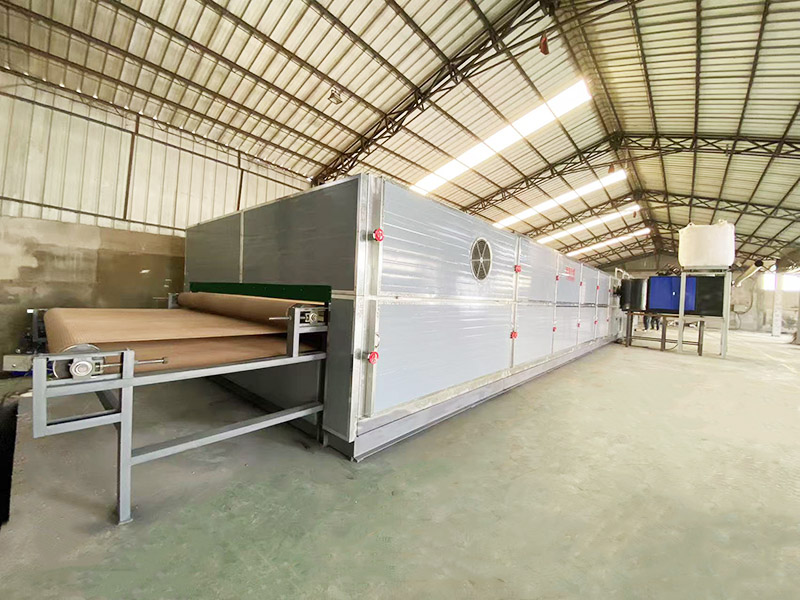
The fundamental advantage of the mesh belt veneer dryer lies in its conveying mechanism. Thin, wet veneer sheets are placed onto a continuously moving mesh belt, which carries them through a heated chamber. The open-wire design is crucial, as it allows hot air to circulate uniformly on both sides of the sheet. This dual-sided airflow prevents "case hardening"—a common defect where the surface dries too quickly and traps moisture inside—ensuring even moisture removal and a flat, stable final product. For manufacturers, this translates to higher yields and fewer rejects in the face veneer drying stage.
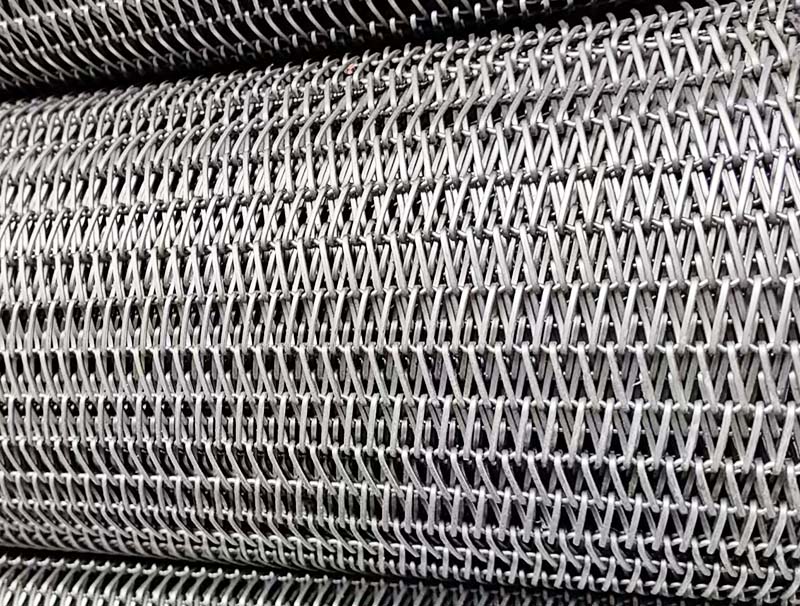
Selecting the appropriate belt material is a key consideration when operating a mesh belt veneer dryer. For standard utility veneers, galvanized steel belts offer a cost-effective solution. However, when processing high-value species like red oak, ash, or walnut, stainless steel belts are often mandatory. The inert properties of stainless steel prevent rust stains and contamination, protecting the light color and delicate grain of premium face veneers. In some advanced setups, Teflon-coated belts are used for exceptionally sticky or fragile species, as they provide a non-stick surface that minimizes friction and surface abrasion during the veneer sheet drying process.
Temperature control is another critical factor. While some robust veneers can withstand temperatures up to 130°C, many delicate decorative species require a much gentler approach. Prolonged exposure to high heat can degrade natural oils and tannins, leading to discoloration and brittleness. Modern face veneer dryers are therefore equipped with sophisticated control systems that allow for precise zoning. Operators can set lower temperatures, often below 80°C, in specific sections to gently drive out moisture without compromising the wood's aesthetic qualities. This level of control is essential for achieving the uniform moisture content required for flawless lamination in the subsequent plywood pressing stage.
The integration of the mesh belt veneer dryer into the broader production line is seamless. Positioned directly after the slicing or peeling machine, it accepts a continuous flow of green veneer. Its automated operation synchronizes with upstream and downstream equipment, minimizing manual handling of the fragile dried sheets. After passing through the dryer, the conditioned veneer is typically fed directly into clipping and stacking systems, ready for gluing and pressing. This continuous flow makes the face veneer dryer a highly efficient link in the chain, significantly boosting overall line productivity.
From an operational standpoint, investing in a modern mesh belt veneer dryer is a strategic move to enhance product quality and reduce waste. The technology is particularly well-suited for manufacturers specializing in high-end furniture panels and architectural veneers, where surface perfection is non-negotiable. By ensuring gentle handling, even drying, and precise thermal management, the mesh belt veneer dryer secures the value of the most visible component of the finished panel, establishing itself as an indispensable asset in advanced wood processing facilities.