

Why Some Mesh Belt Dryer Need Low Temp & Speed
Gentle Heat, Perfect Veneer
In veneer manufacturing, the drying phase is just as crucial as peeling and grading. When wood veneers pass through a mesh belt veneer dryer, you may notice the machine runs at a modest temperature and a slow belt speed. Far from being accidental, this method is a deliberate, knowledge‑based approach that balances physics, material science, and quality goals. Here’s why drying wood veneers at lower temperatures and slower speeds is vital for protecting both appearance and structural soundness.
1. Avoiding Checks & Distortion — Working With Wood’s Nature
Although veneers are thin, their internal fibre network still governs how moisture moves and how the material shrinks. As drying proceeds, moisture migrates from the core to the surface, where it evaporates. If the surface dries too abruptly — because of high heat and fast airflow — it can seal before the inner layers release their water. This mismatch creates tension: the outer zone tries to contract while the inner zone lags behind, putting the veneer at risk of splitting or bowing.
With a mesh belt veneer dryer set to lower temperatures and a gentle belt pace, moisture has time to travel outward steadily. Shrinkage occurs in a more coordinated way, greatly reducing the chance of stress fractures and warping. In essence, the process favours gradual moisture loss over a rushed one, respecting the wood’s natural limits.
2. Securing Even Moisture Distribution — Banishing Hot Spots & Surface Hardening
Consistency matters immensely when veneers are meant for high‑end uses like fine furniture or wall panelling. Excessively high temperatures can scorch the front part of the load, especially near the inlet, causing noticeable discoloration or even local burning. Further along the belt, the veneers might not receive enough thermal energy, leaving the centre still damp.
Strong airflow can worsen this by forming a crusty outer layer that blocks further moisture escape — known as case hardening. The surface appears dry, yet the interior stays wet, inviting later problems such as mildew or shape changes.
A cooler operating temperature lets heat spread uniformly, while a slower conveyor speed ensures each section of the dryer treats every veneer for the same length of time. This yields wood veneers with matching moisture levels and a uniform look.
3. Keeping Natural Beauty Intact — Colour Protection for Premium Products
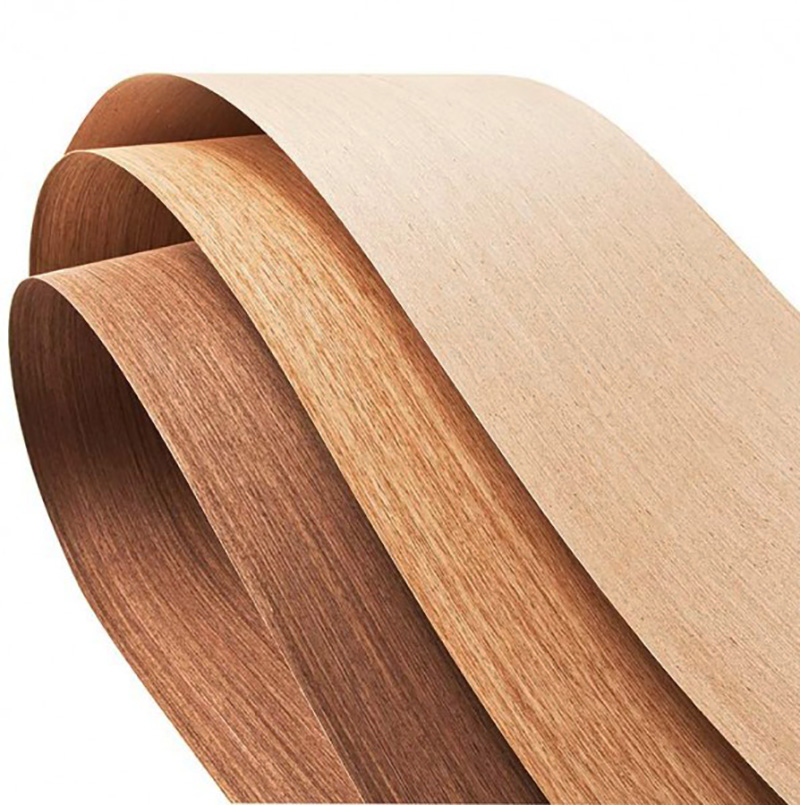
Much of a veneer’s market value comes from its natural hue and grain. Elevated temperatures speed up chemical reactions involving lignin and other compounds, often darkening or muddying the tone. For coloured veneers, high heat can break down dyes, shifting shades in unpredictable ways.
By drying at lower temperatures, these unwanted reactions are kept to a minimum, helping the veneer retain its original brilliance. In sectors where visual perfection drives pricing, this care is essential, not optional.
4. Suiting the Traits of Thin Veneers — Fragile Yet Fast‑Reacting
Thinness makes veneers heat up quickly, but also renders them easily distorted. Their large surface area relative to volume means moisture can vanish swiftly, which sounds advantageous but is hazardous without proper control. Removing water too fast can destabilise the sheet before its fibres adjust.
Therefore, the drying method must suit this delicacy. Rather than using the aggressive “high heat, high airflow” tactics suited to thick lumber, the process treats veneers more like sensitive material — unhurried and tender. The mesh belt veneer dryer acts less like a forceful kiln and more like a precision instrument, tuned to the veneer’s fragility.
Drying solid timber resembles stewing meat — high heat works efficiently. Drying slender wood veneers is closer to steaming a delicate custard — too intense a blast will crack and unevenly cook it. The aim is to encourage gentle, even heat penetration, achieved by moderate temperature and measured belt motion.
This may appear to limit throughput, yet it prevents expensive flaws — splits, twists, colour loss, and trapped moisture — that lead to waste, rework, or unhappy clients. Ultimately, guarding quality conserves resources and upholds brand trust.
Conclusion
Choosing low temperature and slow speed in a mesh belt veneer dryer is not a compromise on performance — it is a quality‑centred decision. It honours the wood’s innate behaviour, sidesteps damaging internal tensions, delivers uniform dryness, and safeguards the visual traits that give wood veneers their worth.
For makers striving for excellence in premium veneer markets, embracing this “gentle heat” mindset is as critical as sourcing fine timber or keeping peeling blades sharp. It ensures every sheet emerging from the dryer is stable, flawless, and ready to enhance luxury interiors and crafted furnishings.
If you face issues like veneer checking, colour variation, or moisture imbalance, reviewing your drying temperature and speed settings could hold the solution. Sometimes, the path to impeccable veneer is simply letting it dry the careful way — gently and thoroughly.