

Key Advantages of Multi-Layer Veneer Dryers
Multi-Layer Veneer Dryers: Key Advantages
In the wood processing industry, veneer drying is a critical step to ensure the quality, stability, and usability of thin wood sheets (veneer) for applications like plywood, furniture, and decorative panels. Among various drying technologies, multi-layer veneer dryers have emerged as a preferred choice for small-scale manufacturers, renowned for their cost-effectiveness, space efficiency, and adaptability. This article delves into the core advantages of multi-layer veneer dryers, explaining why they are uniquely suited for small-scale production environments.
1. Space Efficiency: Maximizing Capacity in Limited Areas
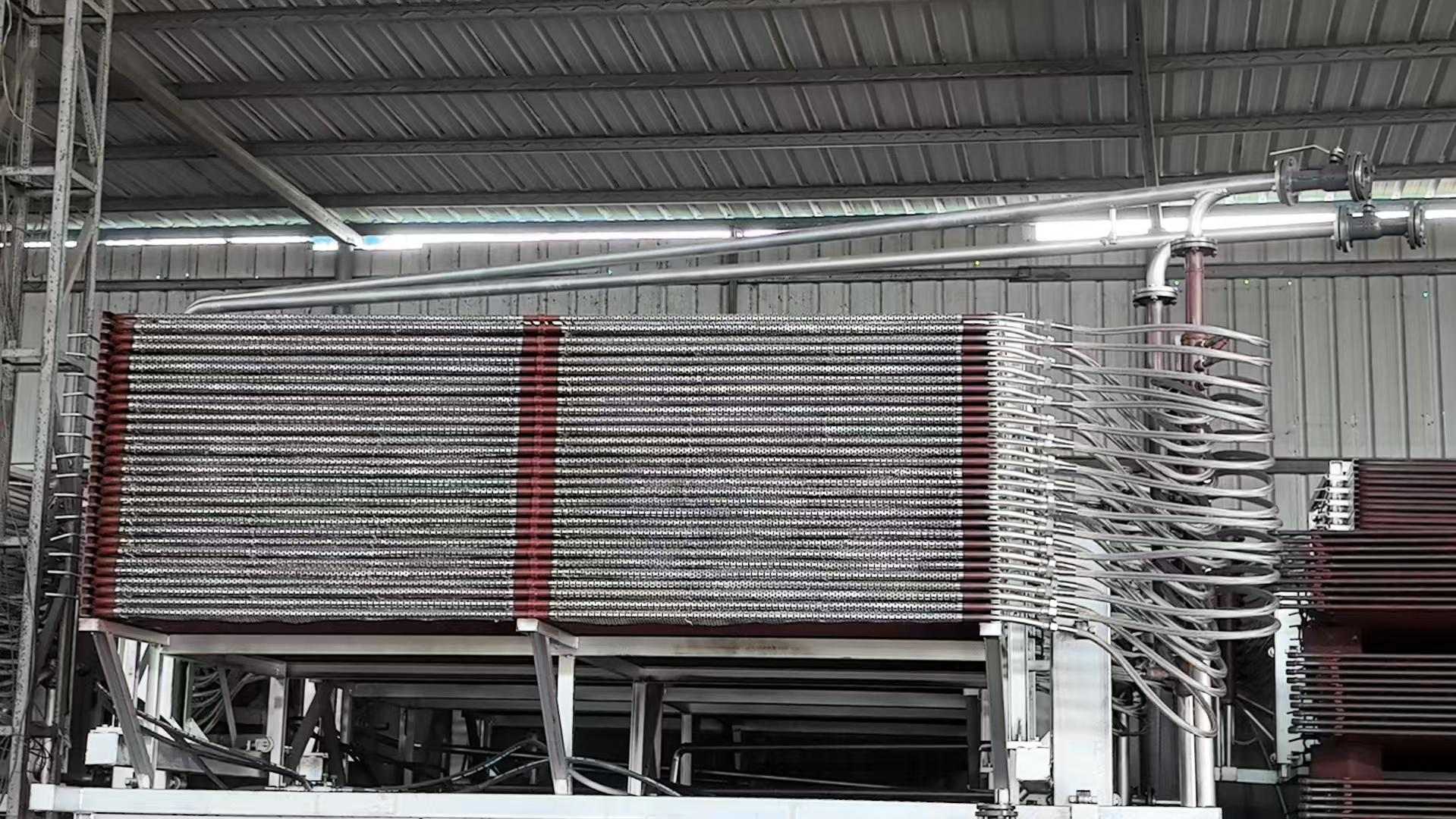
One of the most significant advantages of multi-layer veneer dryers is their compact design, which optimizes vertical space utilization. Unlike single-layer dryers that require extensive floor area to accommodate large drying chambers, multi-layer models stack multiple drying trays or belts vertically, often with 3–8 tiers. For example, a single-layer dryer needing 50 square meters to process 10 tons of veneer daily can be replaced by a 5-tier multi-layer dryer occupying just 15–20 square meters. This space savings is invaluable for small-scale factories, which often operate in constrained facilities or urban areas with high rent. Additionally, the vertical structure allows manufacturers to expand capacity incrementally—adding tiers as production grows—without relocating or undergoing major renovations.
2. Enhanced Energy Efficiency: Reducing Operational Costs
Multi-layer veneer dryers are engineered to minimize energy waste, a critical factor for small-scale producers with tight budgets. Traditional single-layer dryers rely on large volumes of hot air circulated horizontally, leading to significant heat loss through chamber walls and exhaust systems. In contrast, multi-layer designs use vertical hot air circulation, where heated air flows upward or downward through stacked layers, ensuring uniform heat distribution and reducing energy leakage. Many models also incorporate heat recovery systems, capturing waste heat from exhaust air to preheat incoming fresh air. According to industry data, multi-layer dryers consume 20–30% less energy than single-layer counterparts for the same output, translating to annual savings of thousands of dollars in fuel or electricity costs—an essential benefit for small businesses.
3. Cost-Effectiveness: Low Initial Investment and Maintenance
For small-scale manufacturers, upfront capital expenditure is often a primary concern. Multi-layer veneer dryers are typically more affordable than large-scale, automated dryers due to their simpler mechanical structure and reduced material requirements. They avoid complex components like robotic loading systems or advanced sensors, which drive up costs in high-capacity models. Furthermore, their maintenance is straightforward: with fewer moving parts and accessible tiers, routine cleaning, belt adjustments, or minor repairs can be performed by in-house technicians without outsourcing. This lowers long-term ownership costs, as small factories often lack dedicated maintenance teams. For instance, a basic 3-tier multi-layer dryer may cost 40–50% less than a single-layer dryer with equivalent capacity, making it an attractive entry point for startups or family-owned workshops.
4. Flexibility: Adapting to Diverse Production Needs
Small-scale producers frequently handle varied orders—different veneer thicknesses (0.3–3mm), wood species (hardwoods like oak, softwoods like pine), and moisture content requirements. Multi-layer veneer dryers excel in customizability, allowing operators to adjust drying parameters per tier. For example, upper tiers can be set to lower temperatures for thin, heat-sensitive veneer, while lower tiers handle thicker, moisture-rich sheets. Some models feature independent fan controls for each layer, enabling fine-tuning of airflow to prevent warping or cracking. This flexibility is critical for small businesses that cannot afford multiple specialized dryers, as it allows them to cater to diverse client demands without compromising quality.
5. Consistent Drying Quality: Minimizing Defects
Uneven drying is a common challenge in veneer processing, leading to defects like warping, surface checking, or inconsistent moisture levels—all of which reduce product value. Multi-layer veneer dryers address this through uniform heat and airflow distribution. The vertical stacking ensures that each tier receives consistent hot air, while perforated trays or mesh belts promote even moisture evaporation from both sides of the veneer. Advanced models may include humidity sensors in each layer, automatically adjusting temperature or fan speed to maintain optimal drying conditions. For small-scale producers, who rely on reputation for repeat business, this consistency is vital: it reduces scrap rates (often by 15–20%) and ensures that every batch meets client specifications.
6. Ease of Operation: Simplifying Workflow for Small Teams
Small-scale factories often have limited staff, with operators wearing multiple hats. Multi-layer veneer dryers are designed for user-friendly operation, featuring intuitive control panels, clear indicator lights, and minimal training requirements. Loading and unloading veneer can be done manually or with simple hoists, avoiding the complexity of automated systems. Many models also include safety features like emergency stop buttons and overheat protection, reducing the risk of accidents in smaller workspaces. This simplicity allows owners to focus on other aspects of the business—such as sourcing or sales—rather than managing intricate machinery.

Conclusion
Multi-layer veneer dryers stand out as a strategic investment for small-scale wood processing manufacturers. Their advantages—space efficiency, energy savings, cost-effectiveness, flexibility, consistent quality, and ease of operation—directly address the unique challenges faced by small businesses, including limited budgets, facility constraints, and diverse production needs. By enabling efficient, low-cost drying without sacrificing quality, these dryers empower small producers to compete in markets dominated by larger players. As the demand for sustainable and customized wood products grows, multi-layer veneer dryers will remain a cornerstone technology for small-scale innovation in the wood industry.