

Mesh Belt vs Roller Veneer Dryer: Key Differences
Selecting the right drying equipment is one of the most critical decisions for any plywood or veneer manufacturer. In the world of wood processing, the veneer dryer is the heart of the production line, directly influencing the moisture content, flatness, and overall quality of the final product. Among the various types of drying machines available, the mesh belt dryer and the roller dryer are the two most dominant technologies. While both aim to remove moisture from wood veneer efficiently, their engineering principles, application scopes, and operational characteristics differ significantly. Understanding these differences is essential for making an informed investment that aligns with specific production goals and product requirements.
The fundamental distinction between these two machines lies in how they transport the veneer through the drying chamber. A mesh belt veneer dryer utilizes a continuous woven metal screen, typically made of stainless steel, to support and carry the veneer sheets. The veneer lies flat on this permeable surface, moving steadily through the heated tunnel. In contrast, a roller dryer employs two rows of rotating stainless steel cylinders—one above and one below. The veneer is gripped and pulled forward by the frictional contact between these upper and lower rollers. This basic mechanical difference in conveyance leads to a cascade of variations in performance, suitability, and maintenance needs.
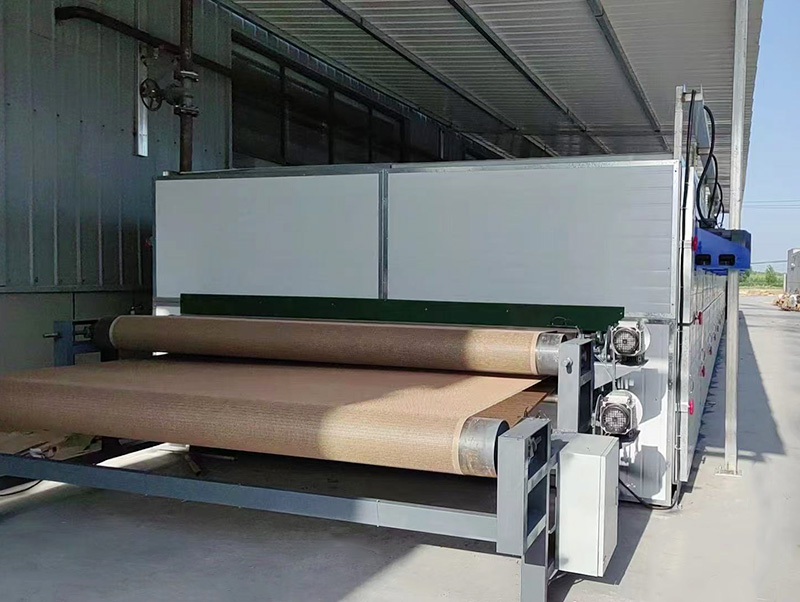
When it comes to applicable veneer thickness and material type, the choice becomes even more defined. Mesh belt dryers excel in handling thin veneers, generally ranging from 0.3 mm to 2.0 mm. These thin sheets, often used for decorative overlays, furniture facing, or premium plywood surfaces, lack the rigidity to support their own weight over gaps. If placed on a roller system, the veneer would sag between the cylinders, resulting in creases, tears, or severe deformations. The continuous support of the mesh belt prevents such damage, ensuring the delicate sheets remain intact throughout the drying process. On the other hand, roller dryers are designed for thicker veneers, typically from 1.2 mm up to 5.0 mm or more. Thick veneers possess enough stiffness to withstand the clamping force of the rollers without collapsing. Moreover, the pressure exerted by the rollers can help flatten the veneer during drying, reducing warping and improving the yield of usable material for applications like construction plywood or container flooring.
From the perspective of equipment structure and maintenance, the two machines present different challenges and advantages. Mesh belt dryers feature a relatively straightforward design. The conveyor system consists of a few drive rollers and a long loop of woven wire mesh. This simplicity translates to easier belt replacement and lower initial manufacturing costs. However, the mesh itself is a consumable item. Wood chips and bark debris can accumulate in the tiny openings of the mesh, requiring regular cleaning to maintain proper airflow. Depending on the operating conditions, the mesh belt may need replacement every one to two years, adding to the lifecycle cost. Roller dryers, conversely, boast a more complex architecture. A single machine may contain hundreds of precision-aligned rollers, each needing to rotate freely and maintain exact alignment. This complexity increases the initial price tag and demands higher installation precision. Yet, rollers are highly durable. They are less prone to wear and tear compared to mesh belts, and their smooth surfaces do not trap debris as easily, making daily cleaning less cumbersome.
Operational reliability is another area where the two systems diverge. Mesh belt dryers have a lower risk of jamming. Since the veneer simply rests on the moving belt, there are no mechanical grips that could pinch or stall the sheet. This makes them ideal for high-speed, continuous production lines where downtime must be minimized. Roller dryers, while robust, carry a higher risk of material jams. If a veneer sheet is excessively warped or varies too much in thickness, it can get caught between the rollers, triggering an emergency stop and potentially damaging the equipment. Operators must therefore be more vigilant about sorting the raw veneer before feeding it into a roller dryer.
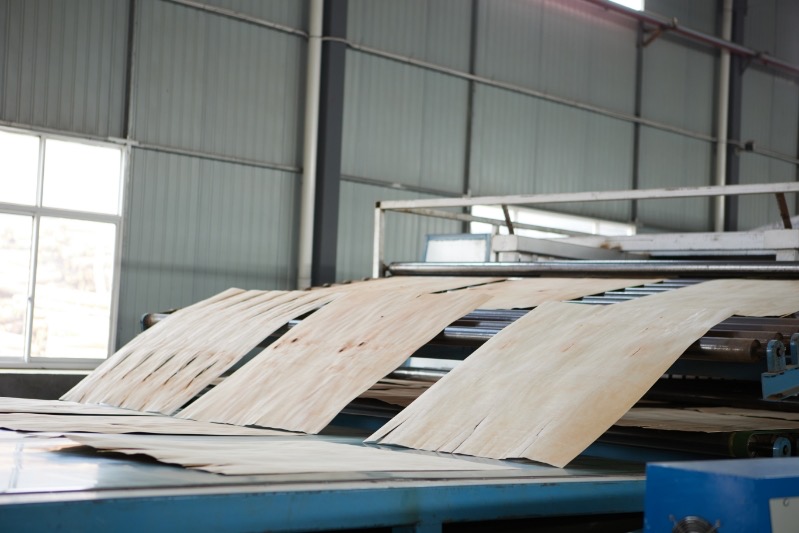
Energy consumption is a concern for every manufacturer, and both dryer types have their own thermal dynamics. In a mesh belt dryer, the metal mesh absorbs a small amount of heat, which is then radiated into the environment. However, the open structure of the mesh allows excellent hot air penetration from bottom to top, ensuring that both sides of the veneer receive uniform heat. This efficient heat transfer often compensates for the minor thermal loss in the belt. Roller dryers benefit from the high thermal conductivity of the steel rollers. The rollers themselves can be heated or they transfer heat directly to the veneer upon contact, providing an additional conductive drying effect alongside convective hot air. This can result in slightly higher thermal efficiency per unit of energy, although the overall difference in fuel consumption between well-maintained machines of either type is usually marginal.
Investment costs also vary. Generally, mesh belt dryers are more affordable upfront because the cost of producing and installing a wire mesh is lower than fabricating and aligning hundreds of precision rollers. Maintenance costs for mesh belt dryers can be higher over time due to the need for periodic belt replacement, whereas roller dryers demand less frequent but more expensive repairs when a roller becomes bent or its bearings fail. For factories operating on a tight initial budget, the mesh belt option may be more accessible. For those prioritizing long-term durability and lower day-to-day maintenance, the roller dryer could be the better choice.
In summary, the decision between a mesh belt dryer and a roller dryer should be guided by the specific characteristics of the veneer being produced. Thin, delicate sheets that require a flawless surface free of indentations are best served by mesh belt technology. Thicker, more robust veneers that can benefit from the flattening effect of mechanical pressure are the natural domain of roller dryers. By carefully evaluating production needs, budget constraints, and desired output quality, manufacturers can select the drying system that will deliver the best return on investment and keep their operations running smoothly for years to come.