

How to Select Right Boiler?
For any plywood or veneer manufacturing plant, the boiler is the silent engine that drives the entire production line. While much attention is paid to the veneer dryer, the peeling lathe, and the hot press, the boiler room often determines whether a factory runs at full speed or stalls halfway through the shift. Choosing the wrong boiler—too small, wrong fuel, or incompatible with existing systems—means the drying machine cannot reach target temperature, line speed drops, moisture content fluctuates, and the whole plant pays the price in rejected panels and wasted labor. Conversely, a correctly sized and properly matched boiler turns every cubic meter of wet veneer into a profitable, press-ready sheet. This article outlines a five-step decision framework to help manufacturers select the right boiler for their plywood production line, with a special focus on matching boiler capacity to veneer drying demand.
The first and most critical step is calculating the total heat load of the plant. In a typical plywood factory, the veneer drying machine consumes the lion’s share of thermal energy, usually accounting for 70% to 85% of total heat demand. The hot press—including pre-pressing and main pressing—takes another 15% to 25%. Minor loads such as glue heating, workshop warming, and domestic hot water make up the remaining 5% to 10%. To size a boiler accurately, one must start with the dryer. A widely accepted industry benchmark states that drying one cubic meter of veneer requires approximately 400,000 kcal of heat. This figure varies by wood species, veneer thickness, and initial moisture content, but it serves as a reliable baseline for preliminary calculations. For example, if a factory aims to dry 60 cubic meters per day on a two-shift schedule of 20 hours, the hourly processing volume is 3 cubic meters per hour. Multiplying by 400,000 kcal gives 1,200,000 kcal per hour. Factoring in a dryer thermal efficiency of about 75%, the actual heat demand rises to roughly 1,600,000 kcal per hour. Adding the hot press and miscellaneous loads brings the total to around 2,000,000 kcal per hour. Applying a 20% to 30% safety margin, the recommended boiler capacity lands at approximately 2,500,000 kcal per hour—equivalent to about 4.2 tons per hour of steam boiler output or 3.0 megawatts of thermal oil capacity.
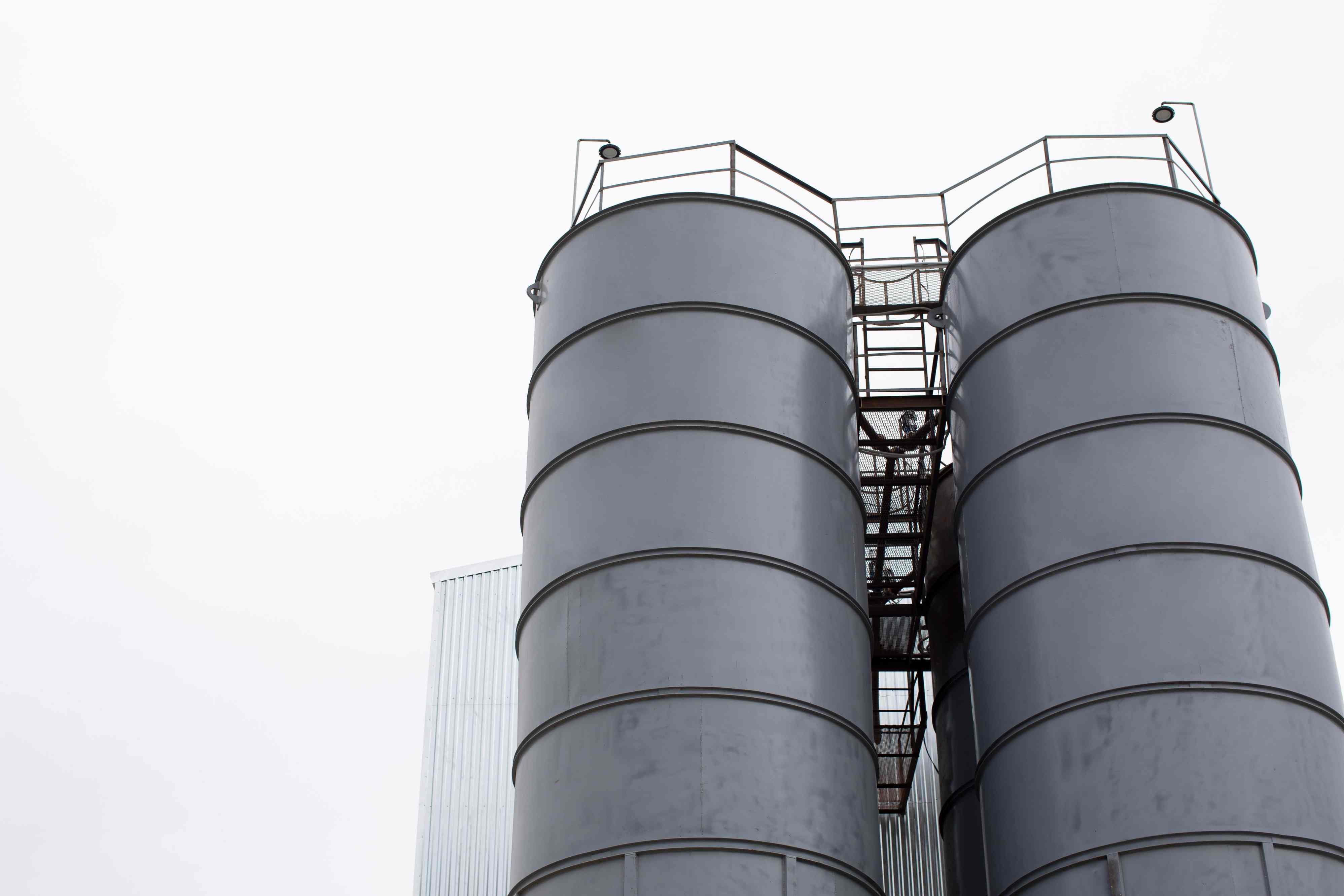
Step two is determining the boiler type: steam or thermal oil. Steam boilers are familiar to most plants and work well where an existing steam network is already in place. They typically operate below 180°C depending on pressure, require water treatment, and carry pressure-related safety considerations. Thermal oil boilers, by contrast, can reach temperatures above 300°C at near-atmospheric pressure, offering higher safety and better efficiency for high-temperature drying. They are ideal for new installations and large-capacity lines but come with a higher initial investment and require periodic oil testing and replacement. For a factory already equipped with a steam boiler, the choice often comes down to whether the existing system can absorb the additional load from a new veneer dryer. If not, adding a dedicated thermal oil heater or a separate biomass hot-air furnace may be more cost-effective than upgrading the entire steam plant.
Step three is fuel selection, which directly binds the operating cost for the next decade. Biomass in the form of wood waste, sawdust, or compressed pellets is the cheapest option for timber-processing factories, often approaching zero net cost when using internal waste. Coal remains low-cost in some regions but faces tightening environmental restrictions. Natural gas offers clean combustion and precise control but carries a higher fuel bill. Purchased steam from a nearby power plant can work well if the price is right and supply is reliable. Diesel or heavy oil is generally reserved for backup or emergency use due to high cost. For many plywood mills, the most economical path is to install a biomass hot-air furnace dedicated to the veneer dryer, burning factory waste that would otherwise be discarded, while keeping the existing steam boiler for the hot press and other needs. This dual-system approach maximizes fuel flexibility and minimizes operating expense.
Step four involves verifying whether a customer’s current boiler has enough surplus capacity to support a new dryer. This is a common scenario in expansion projects. Take the inquiry from a Southeast Asian customer producing Falcata and Lauan veneers at 60 to 90 cubic meters per day. Their existing steam boiler capacity must be checked against the drying load. At 60 cubic meters per day, the heat demand is roughly 1,200,000 to 1,600,000 kcal per hour depending on efficiency. At 90 cubic meters per day, it rises to about 1,800,000 to 2,400,000 kcal per hour. If the current boiler is rated below 1.0 million kcal per hour, it cannot support either scenario without a major upgrade. Between 1.0 and 1.5 million kcal per hour, it may handle 60 cubic meters per day only by shutting down other steam users—hardly practical for continuous production. Between 1.5 and 2.5 million kcal per hour, 60 cubic meters per day is feasible but 90 cubic meters per day remains tight. Above 2.5 million kcal per hour, both capacities can be accommodated comfortably. When the math shows insufficient surplus, the recommendation is clear: add a dedicated biomass hot-air furnace for the dryer rather than trying to stretch an undersized steam system.
Step five is future-proofing. A boiler is a long-term investment, typically lasting 10 to 15 years. Selecting a unit that barely meets today’s demand invites trouble the moment production expands or a new dryer is added. Adding 15% to 20% capacity buffer during the initial purchase costs relatively little compared to the alternative of replacing the entire system two years later. Equally important is ensuring the boiler control system can communicate with the dryer’s PLC. Modern veneer dryers adjust line speed, fan frequency, and zone temperature based on real-time moisture feedback. The boiler must respond with stable output—ramp-up and ramp-down without overshoot. A modulating burner, whether for gas, biomass, or oil, is far superior to an on-off design for this purpose.
Beyond these five steps, practical considerations such as space, local regulations, and maintenance capability also matter. A biomass hot-air furnace needs a fuel storage area and ash removal system. A steam boiler requires a boiler house with proper ventilation, water softening plant, and blowdown tank. Thermal oil systems need expansion tanks and nitrogen blanketing. Local emission standards may dictate dust collector specifications or force a switch from coal to gas. All these factors should be discussed during the quotation stage, not after installation.
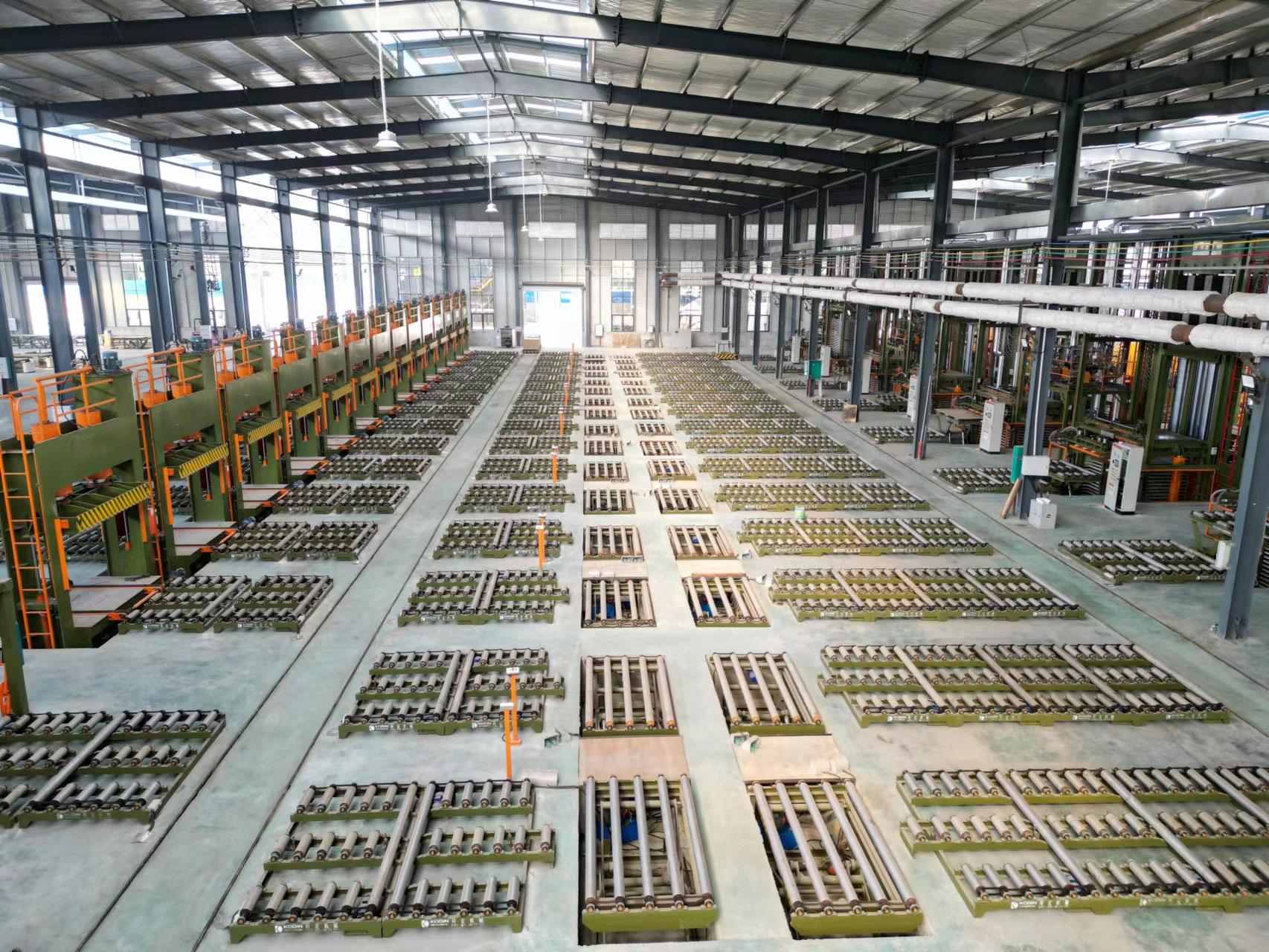
A real-world example illustrates the impact of correct boiler selection. A medium-sized mill in Southeast Asia initially installed a 2-ton-per-hour steam boiler for its hot press. When adding a roller veneer dryer for 80 cubic meters per day of rubber wood veneer, the boiler clearly fell short. Rather than replacing it, the factory installed a 2.0-million-kcal-per-hour biomass hot-air furnace dedicated to the dryer. The steam boiler continued serving the press. Total investment was lower than a full boiler upgrade, fuel cost dropped by using wood waste, and both machines ran at full capacity without interference. Within ten months, the hot-air furnace paid for itself in saved steam coal alone.
In conclusion, selecting the right boiler for a plywood production line is not a guesswork exercise. It follows a clear sequence: calculate total heat load with 400,000 kcal per cubic meter as the benchmark, size the boiler with 20%–30% margin, choose between steam and thermal oil based on existing infrastructure, pick fuel by local availability and cost, verify surplus capacity, and plan for expansion. For any factory looking to add or upgrade a veneer dryer, the question is not just “which dryer?” but “which boiler can feed it?” Answer that correctly, and the entire line runs smoothly, efficiently, and profitably for years to come.