

Why Engineered Veneer Needs Gentle Drying?
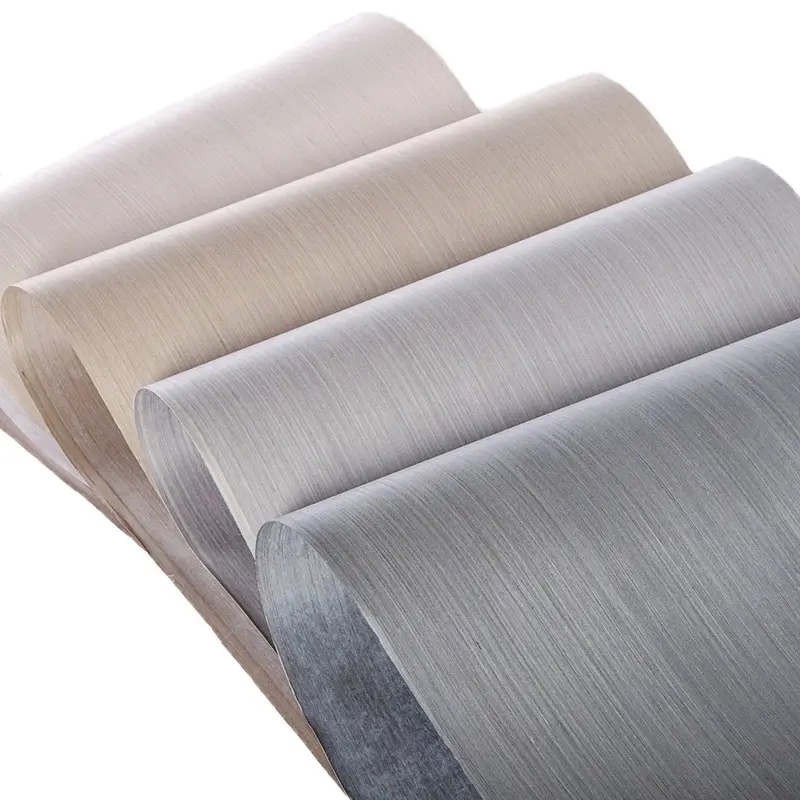
Engineered veneer, also called reconstituted veneer or decorative recomposed veneer, is not the same product as ordinary rotary-cut plywood veneer. It is made by dyeing, stacking, gluing, and re-slicing wood fibers or veneer strips into a new decorative sheet. Because the material carries artificial color and resin, the drying stage becomes far more sensitive than in standard plywood lines. A normal core-veneer line can tolerate higher heat and rougher handling. An engineered-veneer line cannot. The wrong machine will fade the color, curl the sheet, mark the surface, or destroy the glue bond that holds the reconstituted sheet together.
For this segment, the mesh belt veneer dryer is usually the correct starting point. Thin decorative sheets between 0.2 mm and 1.5 mm need full-surface support. They cannot pass over rollers without risking roller impressions, micro-compression marks, or edge curl. A mesh belt carries the sheet flat, lets hot air penetrate from both sides, and avoids the line-contact pressure that a roller system naturally creates. When the customer’s product is face-grade engineered veneer for furniture, doors, wall panels, or high-end plywood faces, the safe recommendation is almost always a stainless-steel or high-temperature steel mesh belt veneer dryer with multi-zone control, low-to-moderate air velocity, and a separate cooling section before stacking.
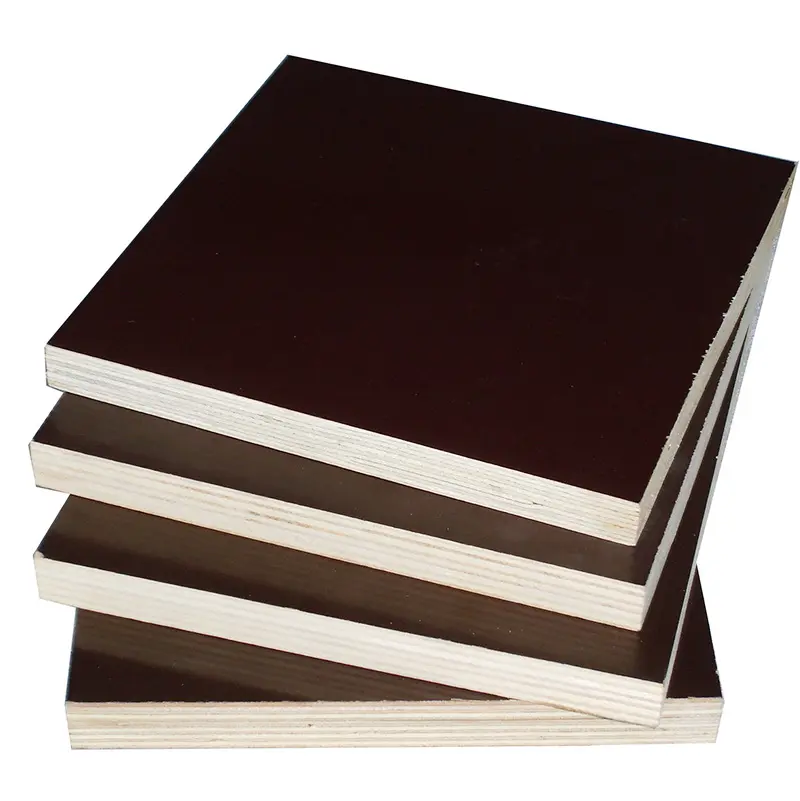
That does not mean the roller veneer dryer is useless. A roller veneer dryer is excellent for thicker stock, typically 1.2 mm to 5.0 mm, where mechanical flattening helps control warp and where a light back-side roller mark does not matter because the sheet will become core or inner layer. In an engineered-veneer plant, a roller machine may still be used for thicker base veneers, pre-drying before slicing, or utility stock. But for the final drying of sliced engineered face veneer, rollers are usually too aggressive. The rule is simple: thin and beautiful means mesh belt; thick and structural means roller.
Temperature is another decisive factor. Natural hardwood veneer can often be dried at 140–180°C in a continuous line. Engineered veneer usually wants a gentler curve. Most decorative recomposed veneers are dried in the region of about 90–130°C, sometimes lower for very delicate dyed lots. The target is not “as hot as possible,” but a stable gradient: preheat gently, remove free surface moisture, then release bound moisture slowly, then balance, then cool. If the inlet zone is too hot, dye migration occurs and the pattern looks uneven. If the middle zone is too aggressive, the sheet cockles. If the exit zone has no cooling, stacked sheets continue to cure internally and color shifts after rewetting or pressing.
Moisture uniformity is the second big difference. Plywood core veneer at 8%–12% with ±2% variation is often acceptable. Engineered face veneer destined for laminating, overlaying, or UV coating frequently needs tighter control—commonly around 6%–10% final moisture with sheet-to-sheet deviation close to ±1%. A mesh belt veneer dryer supports this because the open belt, balanced jets, and variable line speed allow fine correction of moisture profile. A roller veneer dryer can also reach good averages, but rollers concentrate heat and pressure at contact lines, making ultra-tight face-grade uniformity harder to guarantee.
Heat source choice also changes for engineered veneer. Biomass hot-air furnaces are excellent for ordinary mills that want to burn bark, offcuts, and reject veneer. But smoke, fine ash, or uneven flame temperature can stain light-colored engineered veneer. For premium decorative lines, thermal oil or clean gas is often preferred. Thermal oil gives very stable temperature control; gas gives fast response and clean combustion. Steam can work if the plant already has a good steam boiler, but steam systems need careful condensation and drainage design so the drying chamber does not see humidity swings. The key message to the buyer is: do not choose the cheapest heat source, choose the cleanest and most stable heat source that still makes economic sense.
Airflow design matters more than many buyers expect. High-velocity jet air dries fast, but on a 0.3 mm dyed sheet it can lift edges, blow the sheet off tracking, or create local overdrying. Engineered veneer dryers usually use moderated air speed, well-distributed nozzles, mesh belts with correct open area, and edge-hold or air-knife systems to keep sheets flat. The machine should also have a self-aligning belt system, tension monitoring, and easy cleaning, because dye residues and resin fines accumulate faster in decorative lines than in plain core-veneer lines.
Another point often missed by first-time buyers: cleaning and cross-contamination. Engineered veneer plants run many colors—white, grey, black, red, walnut, wenge, custom designer tones. If the dryer interior is not stainless-friendly, easy to access, and designed for quick cleaning, one batch of dark dye can contaminate the next batch of white veneer. A proper mesh belt veneer dryer for this market should have smooth interior surfaces, removable mesh sections or easy belt washing, filtered exhaust, and documented changeover procedures. A heavy industrial roller veneer dryer can be cleaned too, but roller shafts, bearings, and frames create more hidden surfaces where pigment and resin hide.
Control system requirements are also higher. The buyer should expect PLC control, HMI screen, zone temperature setting, humidity or moisture feedback, inverter belt speed, alarm history, and data export. For high-end plants, the dryer should talk to the rest of the line: slicer, sorter, glue line, press, and quality system. If moisture at the outlet is measured by an inline sensor, the machine should automatically slow down or reduce heat when sheets drift wet, and speed up or raise the setpoint slightly when sheets drift dry. This closed loop is what separates a plywood dryer from an engineered-veneer dryer.
Capacity sizing follows the same heat-load logic as any veneer line, but with a safety margin. If the plant needs 60 m³/day of engineered veneer, do not size the dryer at exactly 60 m³. Drying decorative veneer is slower; the belt may run wider than the usable sheet width, and rejection cost is high. A practical proposal often sizes for 70–90 m³/day equivalent thermal capacity, then sets the operating point at 60 m³/day with gentler speed. This gives the customer room for thicker lots, higher moisture incoming veneer, and seasonal humidity changes.
Shine Machinery’s experience across plywood and veneer plants shows the same pattern: mills that treat engineered veneer like ordinary veneer regret it. They call later with complaints about color bands, curly sheets, glue-line haze, or customers rejecting panels because the face veneer moved after lamination. The fix is rarely “buy a bigger dryer.” The fix is usually “use the right dryer type”: a mesh belt veneer dryer for thin decorative recomposed veneer, a roller veneer dryer only for thicker base stock, lower temperature, tighter moisture control, cleaner heat, and a cooling zone before stacking.
To summarize the specification for an overseas buyer:
Product: engineered / reconstituted/decorative veneer
Thickness: 0.2–1.5 mm face grade, 1.2–5.0 mm base grade
Machine: mesh belt veneer dryer for face, roller veneer dryer for thick base
Temperature: typically 90–130°C for delicate dyed face veneer
Final moisture: around 6%–10%, uniformity ±1% for premium lots
Heat source: thermal oil or gas preferred; biomass possible with filtration
Belt: stainless or high-temp steel, easy cleaning, anti-tracking
Zones: preheat → main drying → balancing → cooling
Control: PLC, inverter, moisture feedback, data export
Output: flat, clean, uniform-color sheets ready for gluing and pressing
Engineered veneer is a high-value product. The dryer is not just a water-removal box; it is a quality machine. Choose a mesh belt veneer dryer when beauty, color stability, and surface cleanliness decide the selling price. Choose a roller veneer dryer when thickness, flatness of core stock, and throughput decide the margin. Many modern plants actually need both—one gentle mesh-belt line for face veneer, one robust roller line for base and core veneer. That combination is often the most honest answer a machinery supplier can give.
For equipment makers and exporters, the sales message should not be “our dryer is cheapest.” It should be: we understand that engineered veneer is sensitive, we know why a mesh belt protects the surface, we know why a roller compresses and flattens thicker stock, and we can configure the line so the customer stops losing premium sheets to heat, curl, and color defects. In the engineered-veneer business, the dryer does not just dry wood. It protects the value of the pattern.