

What is the Impact of Veneer Dryer?
In the specialized realm of wood panel manufacturing, the wood veneer dryer stands as a transformative piece of equipment, reshaping how raw veneers transition into reliable materials for furniture, flooring, and construction. While often overshadowed by larger production machinery, the veneer dryer’s influence on product quality, process efficiency, and cost control is profound. Its growing adoption across Asia, Europe, and North America reflects a shift toward precision-driven manufacturing in the wood industry.
Expanding Application Scenarios
Traditionally, veneer dryers were seen primarily in large-scale plywood mills. Today, their application has expanded into diverse settings. Medium-sized veneer producers now deploy compact, energy-efficient models to serve niche markets such as architectural millwork, marine paneling, and luxury interior finishes. Even small workshops producing custom decorative veneers for high-end furniture makers have begun integrating modular drying systems.
In addition, the rise of engineered wood products—such as LVL (laminated veneer lumber) and cross-laminated timber (CLT)—has created new demand for precisely dried veneers. These products require strict control of moisture content to ensure structural integrity, making the veneer dryer indispensable. Some manufacturers also use dryers for pre-conditioning reconstituted veneers or composite wood sheets, demonstrating the machine’s versatility beyond natural timber.
Distinctive Advantages of Modern Veneer Dryers
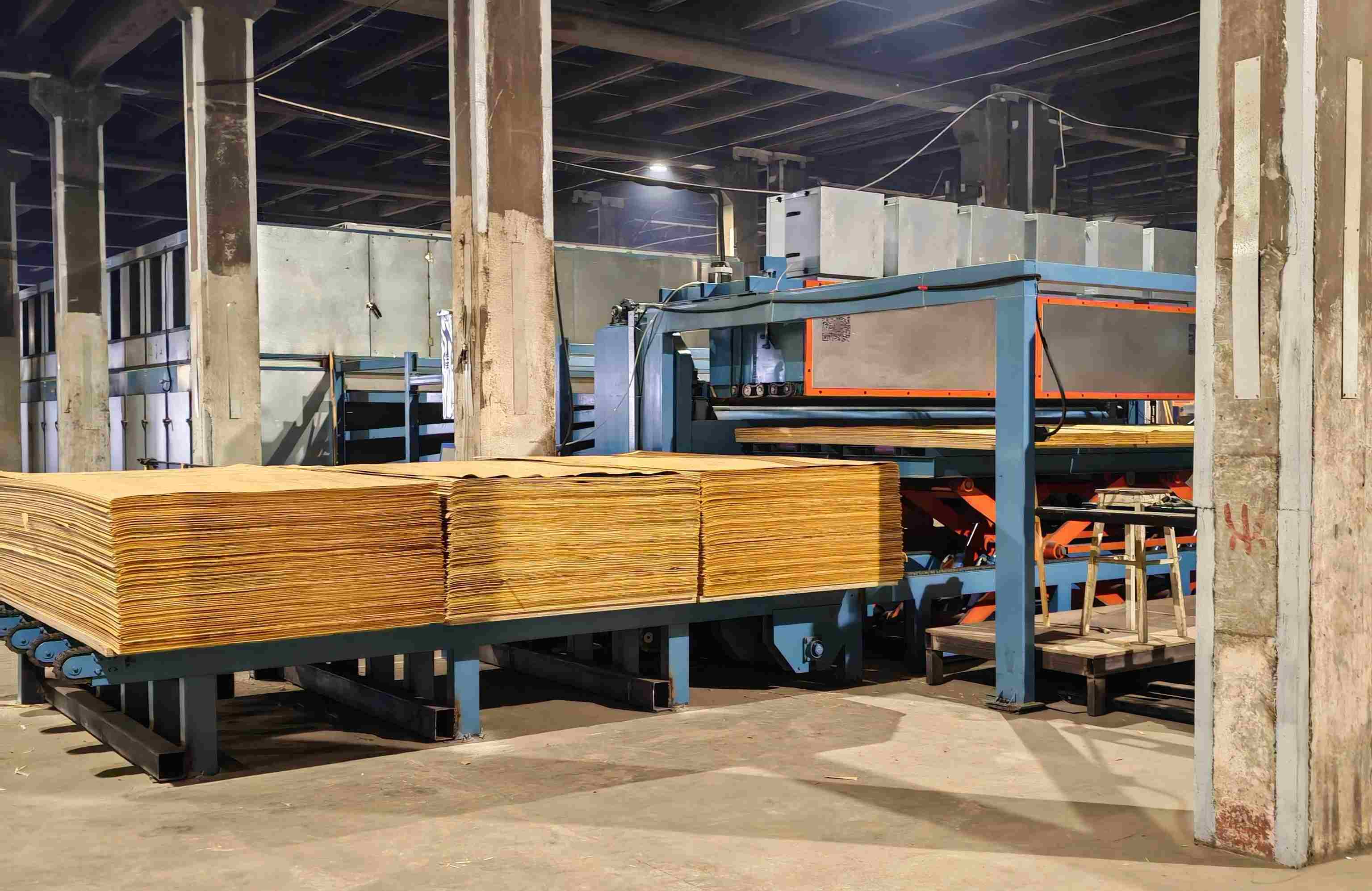
What sets today’s wood veneer dryers apart is their intelligent integration of technology and process control. Unlike older batch dryers that relied heavily on operator experience, modern units come equipped with automated climate control, real-time moisture sensors, and adaptive airflow systems. This allows for continuous monitoring and adjustment, ensuring each sheet dries uniformly regardless of thickness or species.
Key characteristics include:
Multi-Zone Temperature Control
Different zones within the dryer can be set to varying temperatures, accommodating mixed loads of softwood and hardwood veneers. This flexibility reduces stress on delicate sheets and optimizes drying curves.Low-Energy Heat Recovery
Many new models capture waste heat from exhaust air and recycle it into the drying cycle, significantly cutting energy consumption. This is particularly valuable in regions facing rising fuel costs or stricter environmental regulations.Gentle Airflow Design
Advanced dryers use variable-speed fans and honeycomb air ducts to distribute air evenly, preventing surface scuffing or deformation. This is critical for high-grade decorative veneers where appearance is paramount.Data Connectivity
With built-in IoT capabilities, some dryers can send performance data to central control rooms or cloud platforms. This enables remote diagnostics, predictive maintenance, and production optimization.
Tangible Benefits for Veneer and Plywood Producers
For veneer manufacturers, the implementation of a high-efficiency dryer means they can guarantee consistent quality to their buyers. This reliability translates into fewer claims, stronger partnerships, and the ability to command better prices. Moreover, faster drying cycles free up production floor space, allowing higher throughput without expanding facilities.
For plywood manufacturers, the impact is equally significant. Properly dried veneers bond more predictably during hot pressing, resulting in plywood with fewer voids, reduced delamination, and enhanced screw holding strength. This makes the final product more attractive to builders, cabinetmakers, and exporters who prioritize durability.
Cost savings also accumulate from reduced material waste. Over-dried or unevenly dried veneers often crack or distort, requiring rejection. A consistent drying process minimizes such losses, improving yield rates. Labor efficiency improves too, as operators spend less time adjusting parameters or sorting defective sheets.
From a sustainability perspective, modern veneer dryers contribute to greener manufacturing. Lower energy use means reduced carbon emissions, aligning with corporate ESG goals and regulatory requirements. Some manufacturers have reported up to 30% reductions in drying-related energy costs after upgrading their equipment.
Market Trends Driving Adoption
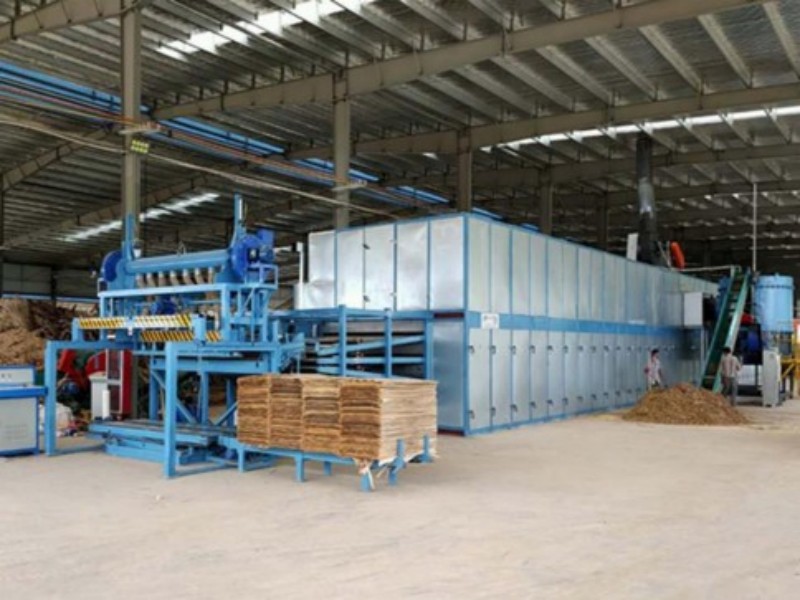
Several trends are accelerating the uptake of advanced veneer dryers. First, the global push for lightweight construction materials favors engineered wood products, which depend on quality veneer inputs. Second, rising consumer expectations for defect-free surfaces in furniture and interiors compel producers to invest in precision drying. Third, volatile timber prices make waste reduction more critical, incentivizing investments in yield-enhancing technologies.
Additionally, government incentives for industrial energy efficiency in countries like Germany, Japan, and Canada are encouraging manufacturers to replace outdated dryers with newer, smarter models. These policies not only offset acquisition costs but also promote technological modernization across the sector.
Conclusion
The wood veneer dryer has evolved from a peripheral utility into a strategic asset for wood panel manufacturers. Its ability to enhance product quality, accelerate production, and reduce operational costs makes it essential for staying competitive in a demanding market. As applications broaden and technology advances, the veneer dryer will continue to shape the future of wood processing—delivering dry solutions for a wide range of industrial needs.