

Which Wood Dries Easiest in Veneer Dryer?
In the competitive world of plywood and veneer manufacturing, understanding the nuances of wood drying is not just a technical detail—it is a core business advantage. The veneer dryer, particularly the roller veneer dryer, is the workhorse of any mill, and its efficiency directly impacts the bottom line. However, not all wood species behave the same way when exposed to high heat and airflow. A question that frequently arises among production managers and factory owners is: which type of wood veneer is the easiest to dry? The answer lies in the physical and chemical properties of the wood itself, primarily its density, pore structure, and initial moisture content. By examining these factors, manufacturers can optimize their drying processes, reduce energy consumption, and maximize throughput.
The fundamental principle of drying veneer is the removal of free and bound water from the wood cells. This process is governed by the wood’s permeability—the ease with which moisture can move from the interior to the surface and evaporate. Low-density softwoods, such as pine and spruce, are universally recognized as the easiest species to dry in a roller veneer dryer. With an air-dry density ranging from 0.4 to 0.5 g/cm³, these woods have large cell cavities and low resistance in their pit membranes. This open structure allows water vapor to migrate rapidly, enabling the dryer to operate at higher temperatures and faster line speeds without causing surface hardening or internal stresses. In practical terms, a roller dryer processing pine veneer can achieve a higher output per hour compared to denser hardwoods, making it a favorite for mills focused on volume production.
Poplar, a low-density hardwood, also falls into the category of easy-to-dry species. Its density is similar to that of pine, typically between 0.3 and 0.5 g/cm³. However, poplar requires a more cautious approach despite its low density. The wood is prone to "washboarding" or warp if subjected to excessively high temperatures at the beginning of the drying cycle. Therefore, while it is technically easy to dry, the optimal process for poplar involves a preheating phase with high humidity to keep the surface pliable. Once this is managed, the drying speed can be increased, and the veneer will come out flat and uniform. This distinction is important for operators: poplar is easy to dry, but it is not as forgiving as pine when it comes to aggressive heat.
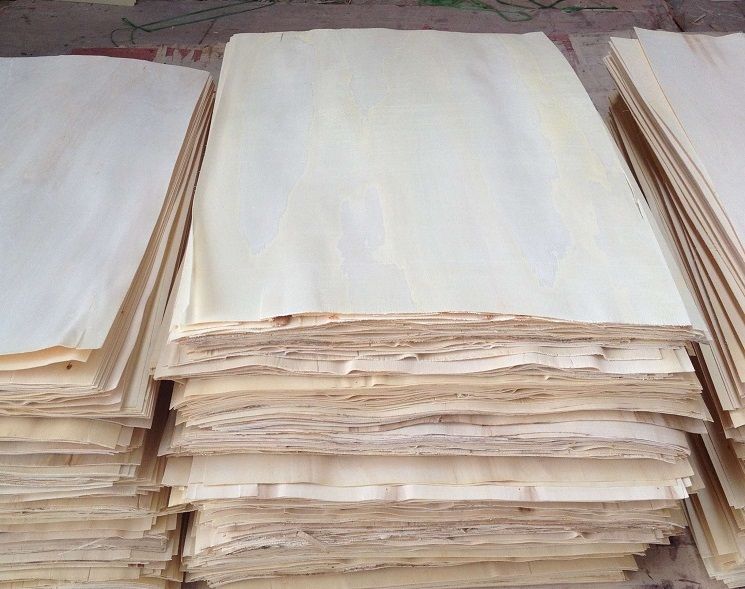
In contrast, medium-density woods like rubber wood present a different set of challenges. Rubber wood, with a density of 0.5 to 0.65 g/cm³, is moderately easy to dry, but its latex content complicates the process. Latex can exude from the wood under high heat, leading to sticky surfaces that may adhere to the rollers of the dryer. This not only causes defects but can also lead to jams and production stoppages. To dry rubber wood successfully, the temperature must be carefully controlled, usually kept between 140°C and 155°C, to avoid scorching the latex. The recent installation of a 56-meter double-deck roller veneer dryer in Pu’er, Yunnan, which processes 100 to 110 cubic meters of rubber wood veneer every 22 hours down to 0% moisture, is a testament to how the right equipment configuration can overcome these challenges. That machine uses a 10-ton biomass burner and a double-station manual feeding system to maintain a steady pace, proving that with the correct setup, even a species with latex can be dried efficiently at scale.
As we move up the density scale, hardwoods like birch and beech become significantly more difficult to dry. Birch, with a density of 0.6 to 0.7 g/cm³, has a tighter cellular structure that impedes moisture movement. Drying birch veneer requires a slower line speed and a more gradual increase in temperature to prevent case hardening, where the surface dries and shrinks while the core remains wet. If the moisture gradient becomes too steep, the veneer can develop checks and splits that render it unusable for high-grade plywood. Beech, similarly dense, is also prone to discoloration at high temperatures due to its tannin content, requiring a delicate balance between heat and airflow to maintain a light, uniform color.
At the top of the difficulty scale is oak, a high-density ring-porous hardwood with a density ranging from 0.6 to 0.9 g/cm³. Oak is notoriously hard to dry because its earlywood vessels are large but the latewood is extremely dense, creating an uneven moisture distribution. When placed in a roller veneer dryer, oak veneer must be subjected to a slow, gentle drying curve, often starting at 130°C to 140°C, to avoid surface hardening and honeycombing. The energy required to dry oak is substantially higher than that for pine, and the throughput is lower, making it a less efficient species for high-volume drying lines. For this reason, many mills reserve their longest and most powerful dryers for oak, or they opt for specialized kilns that can handle the stress.
The implications of these differences for production planning are profound. A mill that primarily processes pine or poplar can invest in a shorter, more economical roller dryer and still achieve high output. Conversely, a factory that specializes in rubber wood or birch needs a longer drying chamber, such as the 56-meter model, to provide sufficient residence time for the veneer to dry evenly. The choice of heating system also matters; biomass burners are well-suited for the steady, high-volume heat required for dense species, while natural gas offers the quick response needed for more delicate temperature control with woods like beech.
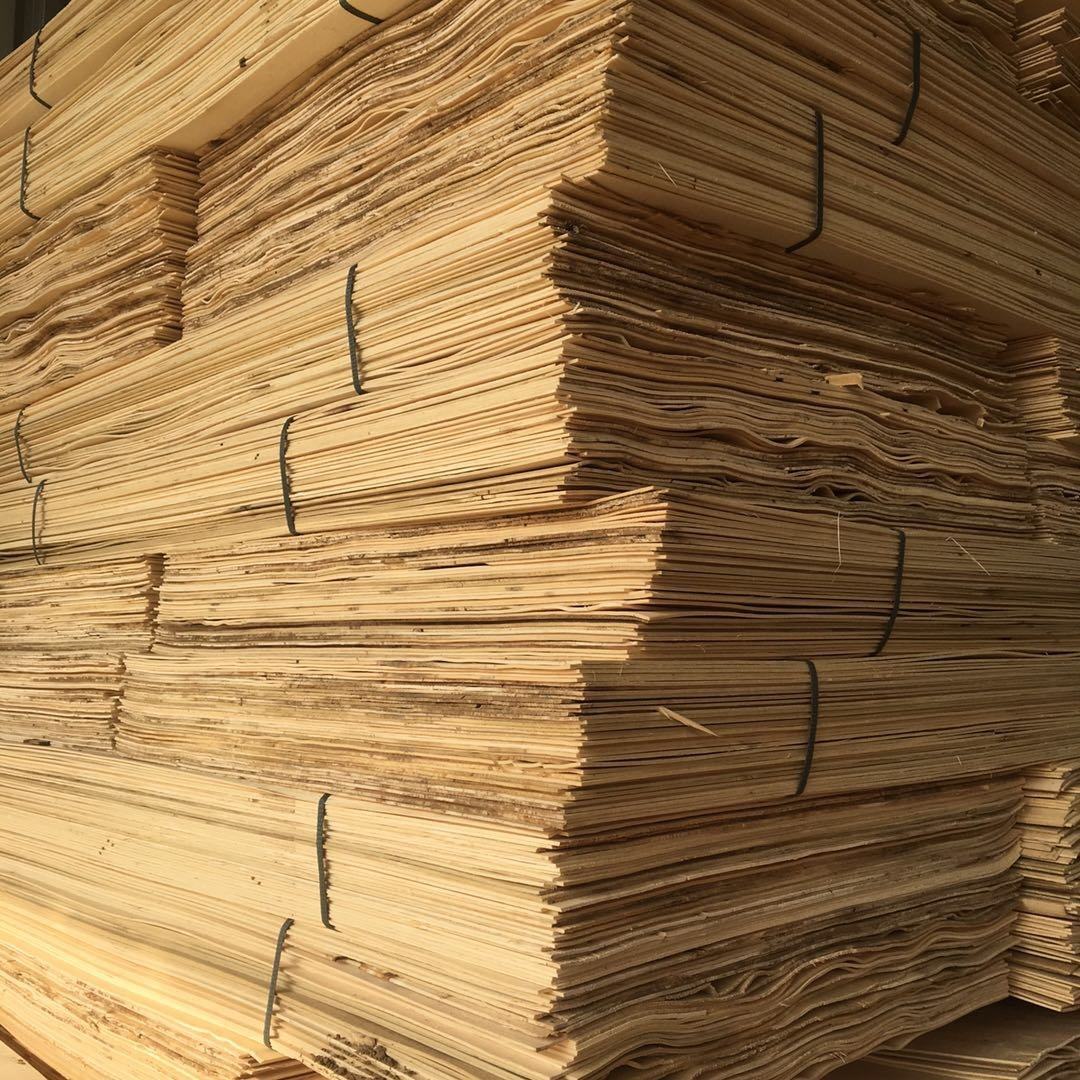
Moreover, the final moisture content target influences the drying strategy. Achieving 0% moisture, as in the Pu’er rubber wood project, is an extreme case that demands precise control over the entire drying cycle. For most plywood applications, a final moisture content of 8% to 12% is sufficient, and this can be reached more quickly. However, the ability to push the veneer to 0% demonstrates the capability of modern roller dryers to handle specialized requirements, opening up new market opportunities for manufacturers who can deliver such ultra-dry veneer for chemical treatment or high-frequency bonding.
In summary, the ease of drying veneer in a roller veneer dryer is determined by the wood’s density and internal structure. Low-density softwoods like pine and spruce are the easiest, followed by poplar with careful humidity management. Medium-density woods like rubber wood require temperature moderation due to latex, while high-density hardwoods like birch, beech, and oak demand slower speeds and longer drying times to avoid defects. Understanding these characteristics allows manufacturers to select the right equipment, optimize their processes, and ultimately produce higher-quality plywood at a lower cost. As the industry continues to evolve, the integration of sensors and AI into drying lines will further refine these processes, but the fundamental relationship between wood species and drying behavior will remain a cornerstone of veneer production.